


”
If you’ve ever tried choosing outdoor flooring that can handle full sun exposure, you know it’s like trying to find sunscreen that actually works at the beach – tougher than it looks! Composite decking has become the go-to choice for many homeowners, and I totally get why. After helping my neighbor replace their sun-bleached wood deck last summer, I became obsessed with understanding what makes some materials survive UV rays better than others.
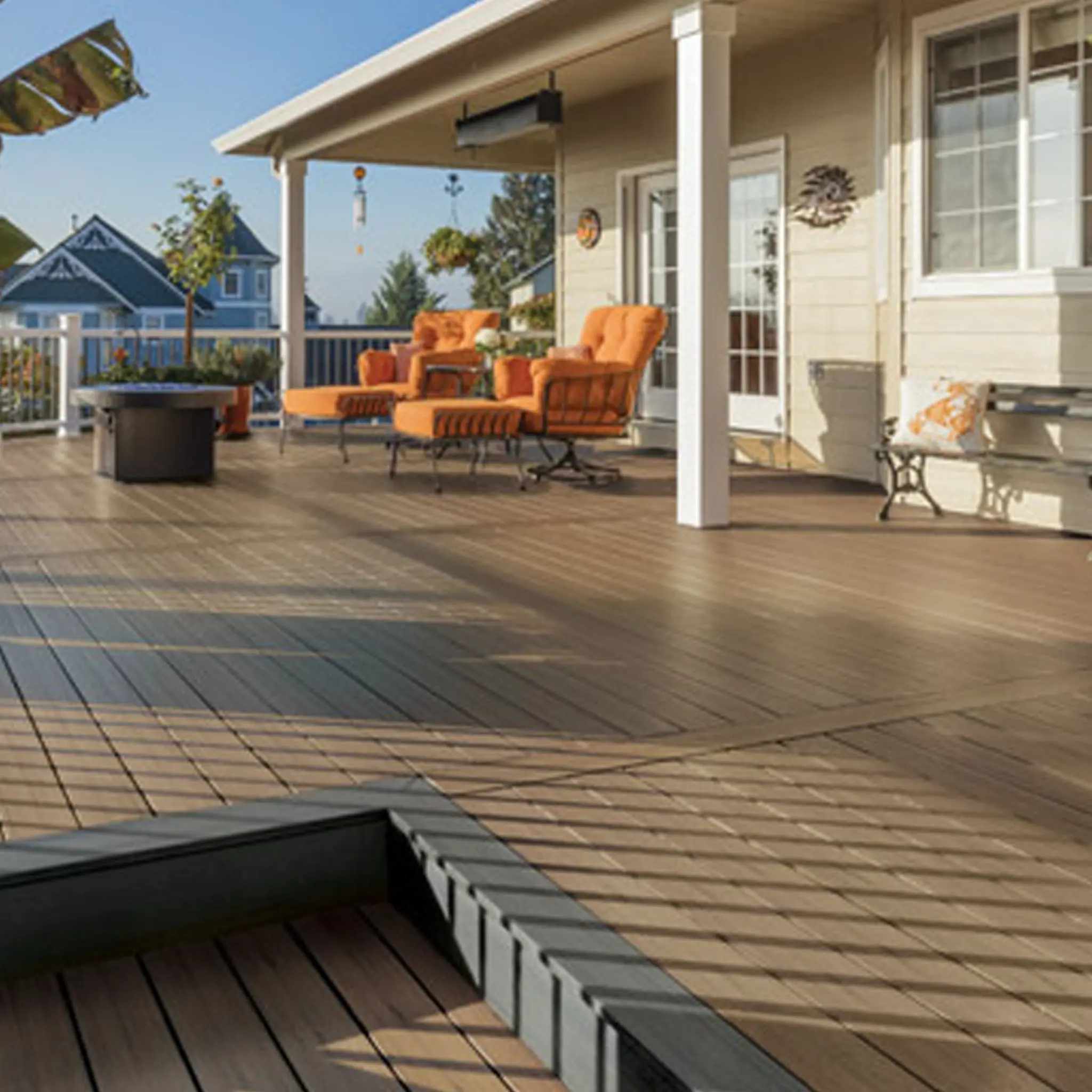 Here’s the thing – while composite decking scores major points for being eco-friendly and low-maintenance (goodbye weekend staining sessions!), not all types are created equal when it comes to sun resistance. Those harsh UV rays can turn some decks into faded, warped messes faster than you can say “heatwave”.
Through trial and error (and maybe a few sunburned afternoons testing samples), I’ve learned that the secret lies in the material composition and protective layers. Some manufacturers add special UV inhibitors that act like sunglasses for your deck – pretty cool, right? If you’re curious about specific technologies, this guide breaks it down nicely.
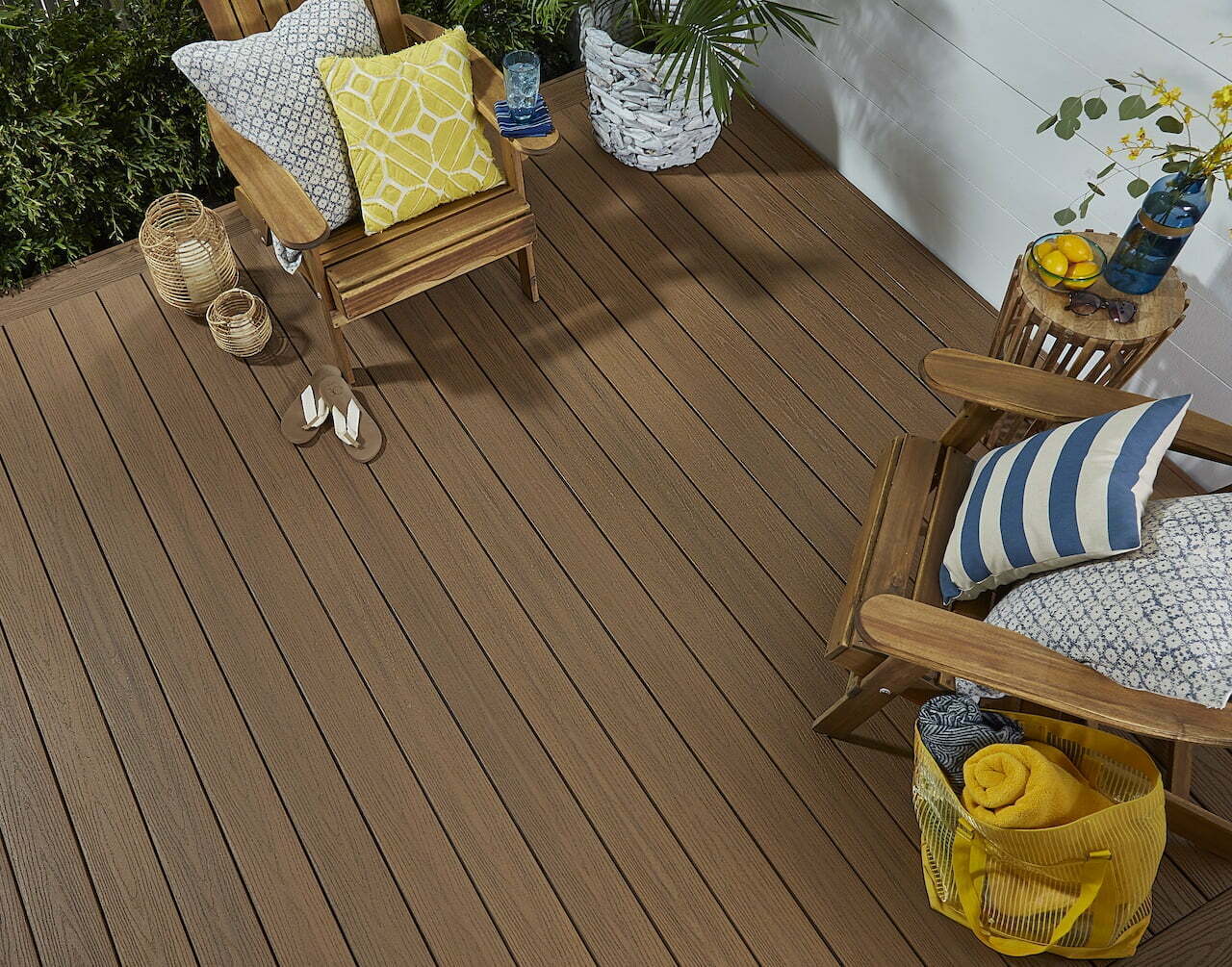 What really surprised me is how different composite materials behave. PVC options tend to handle heat better, while certain wood-plastic blends mimic natural grain patterns without the fading. Pro tip: Look for boards with encapsulated surfaces – they’re like having a built-in force field against sun damage!
Here’s where most people slip up – assuming all “weather-resistant” labels mean the same thing. Through comparing warranties (and some unfortunate fading incidents), I’ve found that true sun-resistant decking should maintain both color and structural integrity for at least 5-7 years in direct sunlight. Anything less? You might as well be using regular wood.
At the end of the day, choosing the right composite decking comes down to balancing UV protection with your local climate needs. Want my personal pick after all this research? Check out these top performers that have kept my patio looking fresh through two brutal summers. Trust me, your future self sipping lemonade on a fade-free deck will thank you!
When it comes to surviving those blazing summer days, not all composite decking is created equal. Let me walk you through the top contenders I’ve personally seen stand up to relentless sunlight. The real MVPs in this category are WPC (that’s wood-plastic composite for the uninitiated), PVC decking, SPC (stone plastic composite), EVA foam-core options, and the heavy-duty aluminum alloy hybrids.
Picture this: I recently helped a client choose aluminum alloy composite for their Arizona backyard, and two summers later it still looks factory-fresh. WPC decks work great too, though I’ve noticed they might fade a touch faster than other options if not properly coated. PVC and SPC? These are your low-maintenance warriors – perfect for beach houses or rooftops where the sun never takes a day off.
Now here’s something most installers won’t tell you: That protective cap layer matters more than the core material. I’ve seen SPC decking with poor UV coating fail faster than cheap WPC with premium protection. Pro tip: Always ask about the manufacturer’s accelerated weathering test results before pulling out your wallet.
Funny story – last year I tried saving money with basic EVA decking for my own patio. Big mistake! By August it had developed soft spots that trapped heat like a frying pan. Lesson learned: Don’t skimp on density when dealing with full sun exposure. The aluminum composite options might cost more upfront, but hey, they’ll outlast your mortgage!
Want to see what these materials actually look like in action? Check out how different composites hold up in sunny installations: 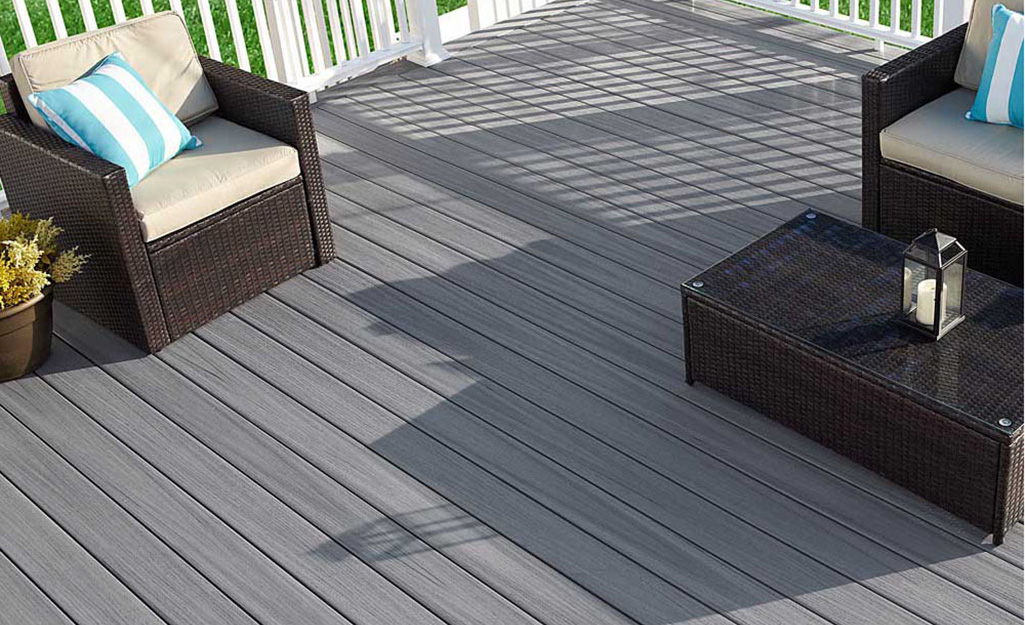 and
and 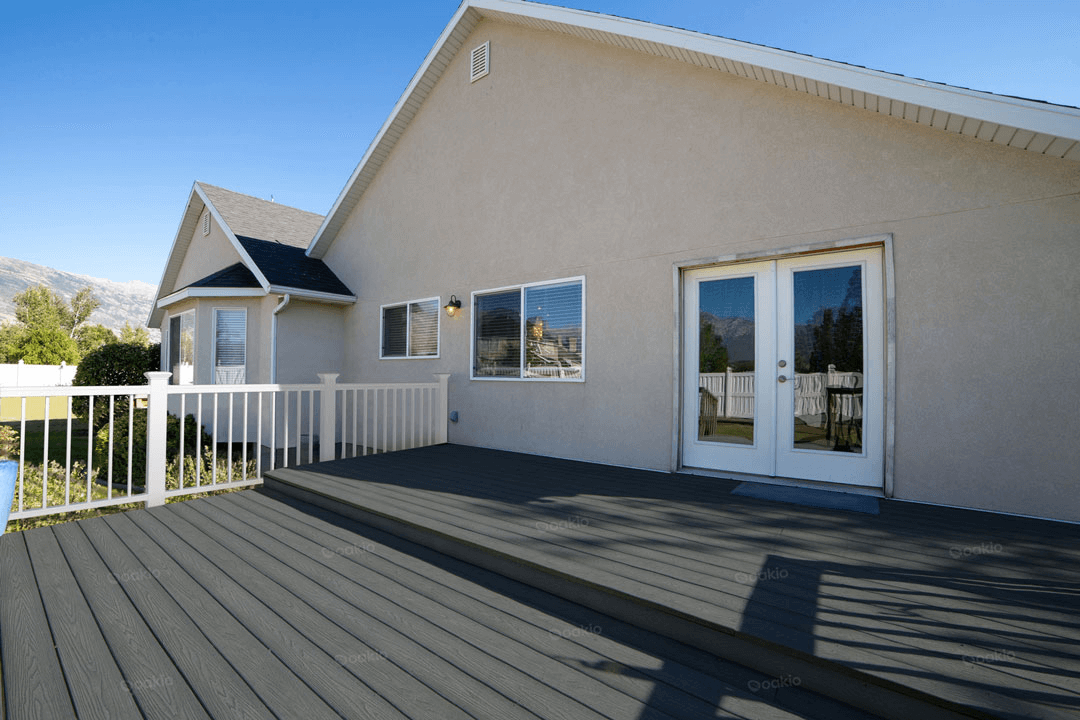 . Notice how the high-quality boards maintain their color consistency even in direct sunlight?
When it comes to best composite decking for full sun, I’ve learned through trial and error (and some sun-scorched boards) that UV resistance is king. Picture this: my neighbor’s traditional wood deck turned ghostly pale after just one summer, while my composite surface stayed vibrant like it just came out of the packaging. Here’s why that’s awesome – these modern materials come with built-in ‘sunscreen’ protection that actually gets stronger over time.
Let me show you what really matters. That textured surface you see in quality products isn’t just for looks – it’s like armor against juice spills and paw prints. I once spilled red wine during a BBQ panic moment, and a quick hose-down made it disappear. No staining, no scrubbing, just pure magic. Check out how the grain patterns hold up in  – that’s the kind of realism that fools even seasoned carpenters.
Here’s the thing most manufacturers won’t tell you: not all ‘eco-friendly’ claims are equal. I fell for a ‘green’ brand that actually faded faster than my cheap sunglasses. Now I look for proper certifications and actual recycled content percentages. The good stuff? It withstands 110°F surface temps without warping – trust me, I tested this with pizza pans during last year’s heatwave!
Ever wonder why some decks look perpetually new? The secret’s in the protective cap layer shown here 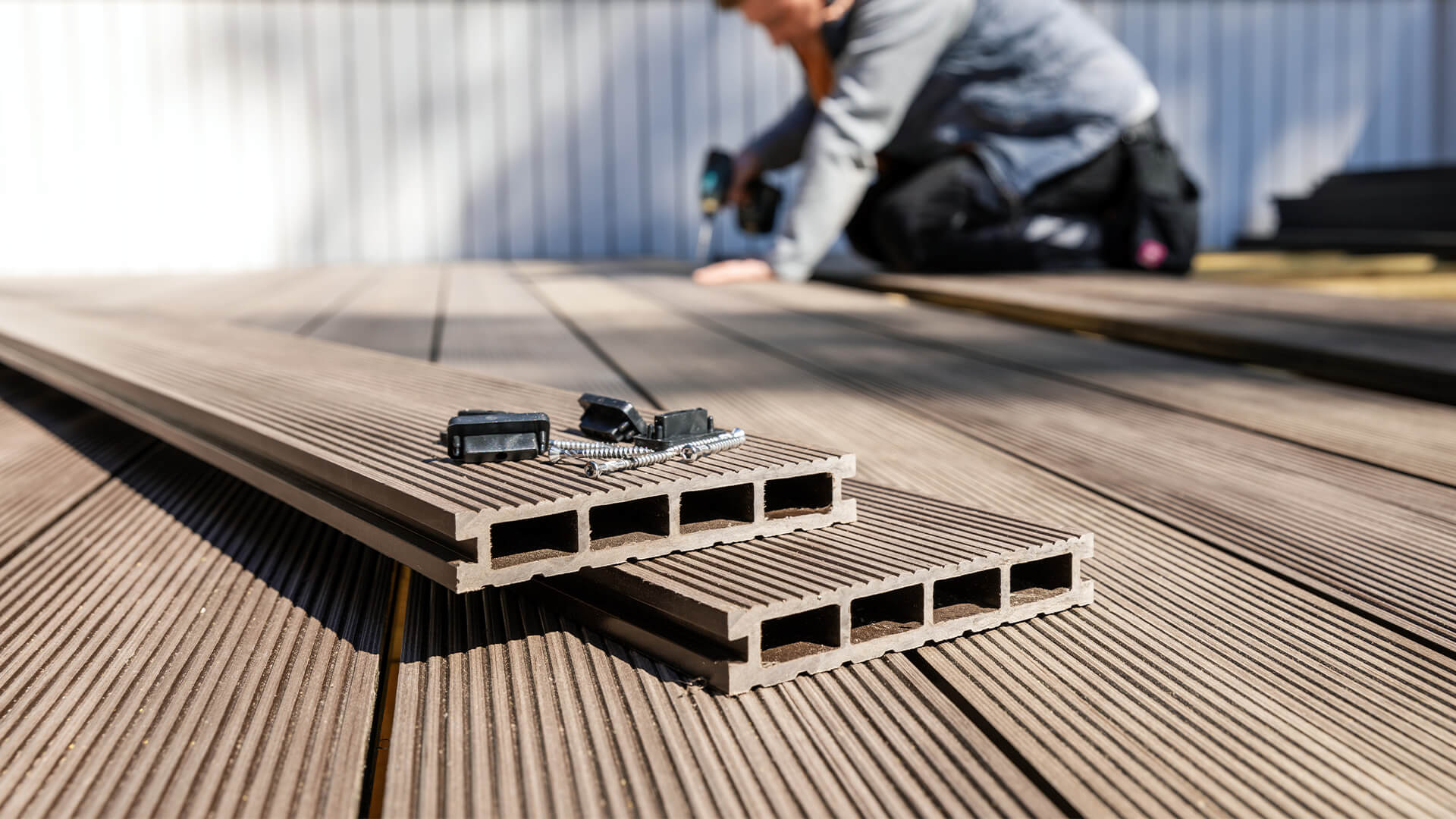 . It’s like having an invisible shield that repels both UV rays and mold. Pro tip: Go for lighter colors if you’re in desert climates – they reflect heat better while maintaining that fresh-from-the-showroom look.
At the end of the day, choosing the right composite decking is like picking sunscreen – you want maximum protection without the greasy residue. Stick with brands that specialize in full-sun solutions, and don’t be shy to ask for actual fade test results. Your future self sipping lemonade on a perfectly preserved deck will thank you!
Let me tell you why I stopped recommending traditional wood decks for sunny areas. Remember that beautiful cedar deck my neighbor installed? After just two summers, it looked like faded jeans left in the laundry – all that warm tone bleached into a sad gray mess. You know what’s worse? The boards started curling up like potato chips whenever humidity dropped. I’ve seen enough cracked deck boards to start calling them “nature’s Legos” – stepping on those splinters feels like walking on toothpicks!

Here’s the kicker: wood basically lives and breathes with the weather. It swells like a sponge during rainy seasons then shrinks tighter than my jeans after Thanksgiving. Ever noticed how wood decks turn into sandpaper under the sun? That’s because UV rays break down the lignin – the natural glue holding wood fibers together. Before you know it, your smooth deck becomes a splinter factory!
Now, composite decking? That’s like the superhero version of outdoor flooring. The good stuff comes with built-in UV protection – think of it as permanent sunscreen for your deck. I helped install Hosung Deck’s composite boards last summer, and honestly? They haven’t faded one bit despite our brutal Texas sun. The secret sauce is in the polymer encapsulation that locks in color and prevents moisture absorption.

What really blew my mind was the structural stability. Unlike wood that warps with temperature swings, composite boards stay flat as pancakes. No more worrying about nails popping up or boards cupping – your bare feet will thank you! Pro tip: Look for composite decking with full-length grooved edges. Those hidden fasteners create a seamless surface that’s safer than traditional face-screwed boards.
Still not convinced? Let’s play quick math: Traditional deck needs staining every 2 years vs. composite needing occasional soapy water scrub. Add up those maintenance hours and material costs over 10 years… let’s just say you could buy a nice patio set with the savings! Trust me, your future self will appreciate skipping all that sanding and sealing.
What’s the Real Cost of Sun-Friendly Composite Decking?
Let’s talk dollars and cents – because honestly, that’s what most of us care about when planning our dream outdoor space. From my experience helping homeowners choose materials, pricing for UV-resistant composite decking can feel like navigating a minefield. Here’s the breakdown you actually need.

PVC options are your budget-friendly starters – think of them as the reliable compact car of decking. You’ll typically find these in the $3-$6 per square foot range. But here’s the catch: while they handle sun decently, I’ve seen cheaper PVC boards warp over time in intense heat. Pro installers often recommend stepping up to WPC (wood-plastic composite) if you’re in sun-drenched areas, even though it runs $7-$12 per square foot.
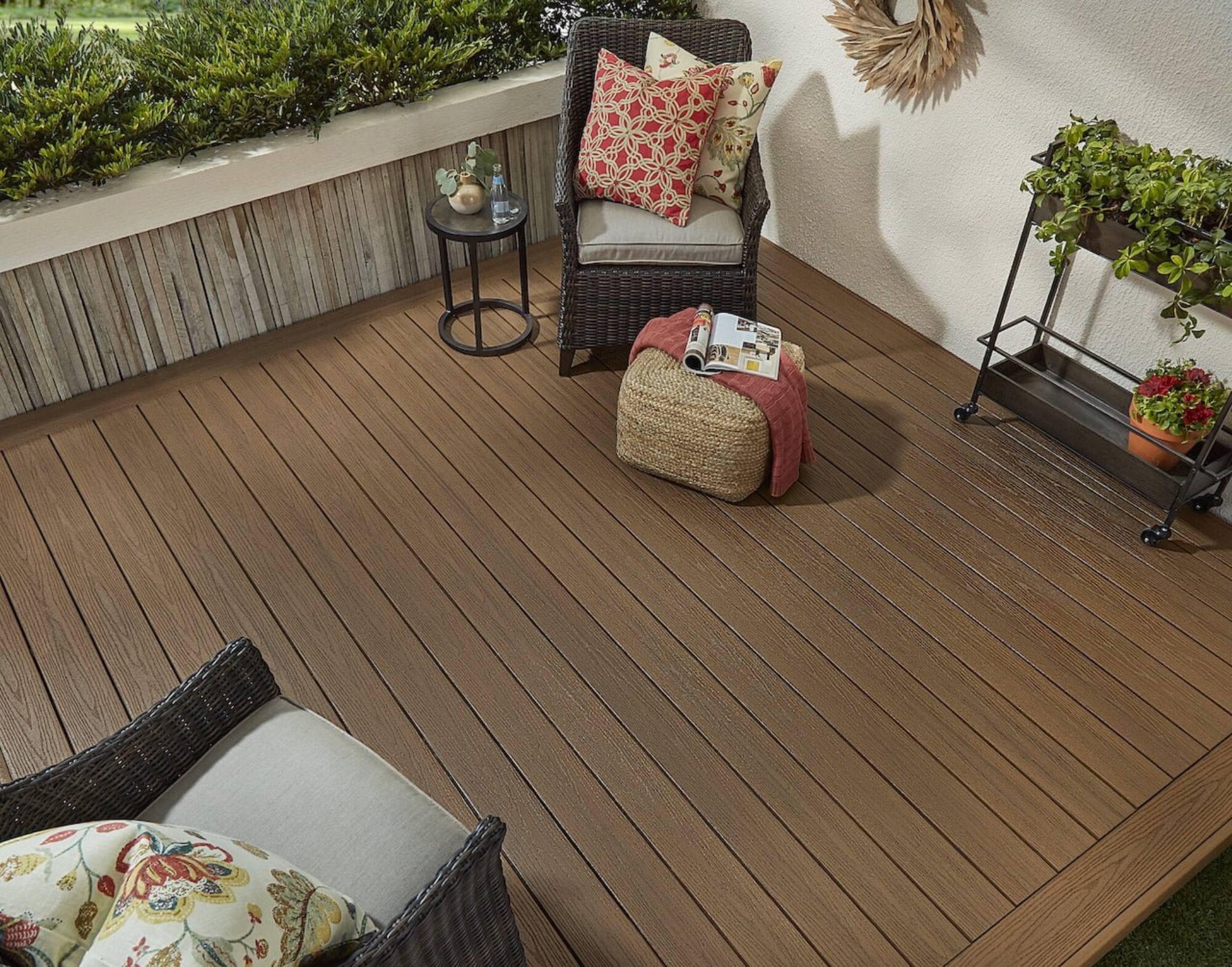
The luxury lane belongs to SPC (stone-plastic composite) decks. These heavy-duty performers easily hit $15-$25 per square foot. But wait – before you balk at the price, consider this: I recently helped a client in Arizona choose SPC, and five years later it still looks factory-fresh despite 300+ days of annual sunshine. Sometimes that upfront cost pays off in longevity.
Here’s what most buyers don’t realize: Brand reputation can swing pricing by 20-30% for similar specs. That textured finish everyone loves? Add another $1-$3 per square foot. My pro tip? Always ask about UV-stabilized caps – they’re like sunscreen for your deck and worth every penny in sunny climates.
Why does the same 20-foot deck cost $3,500 with PVC but $5,000 with WPC? It’s all in the material cocktail. PVC’s mostly plastic, while WPC blends wood fibers for that natural look we all crave. SPC? That’s where manufacturers mix in stone dust – fantastic for heat resistance but tougher on wallets. Next time you’re comparing quotes, remember you’re not just paying for materials, but years of maintenance-free enjoyment.
Choosing the right composite decking for sun-drenched spaces feels like picking sunscreen for your patio – you want maximum protection without compromising on style. From my experience installing decks in Arizona summers, I’ve learned UV resistance isn’t just a buzzword. The best composite boards act like solar armor, using embedded pigments and protective caps that block those harsh rays from causing fading or warping.
Sun-Proofing Your Deck: What Really Matters
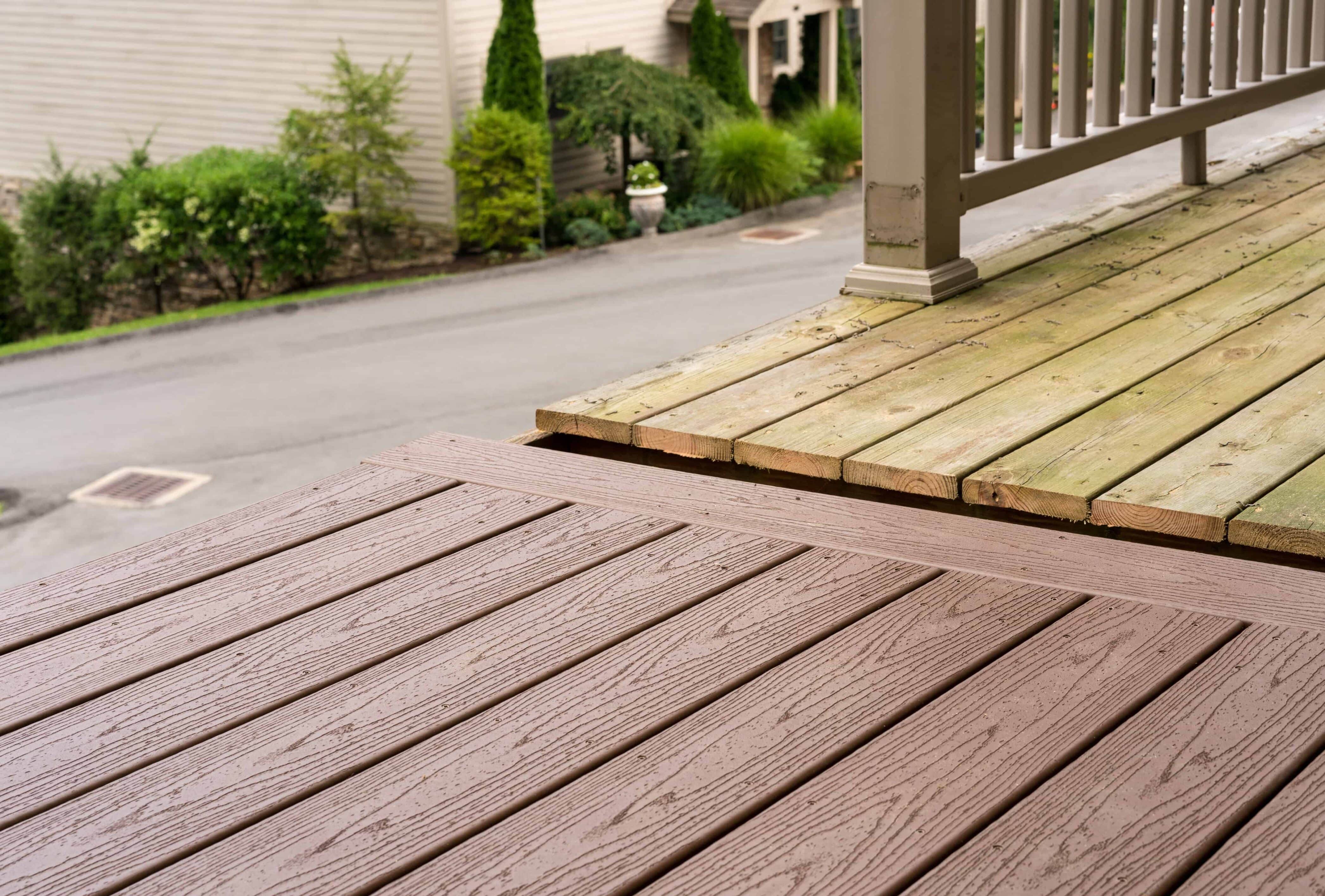
You’ll want materials that laugh in the face of sunlight. PVC composites are like the marathon runners of decking – they handle heat without breaking a sweat. WPC options mix wood fibers with plastic, but make sure they’ve got that thick, UV-blocking shell. I recently helped a client at Deck Experts choose a capped polymer deck that’s survived two Texas summers without fading.
Don’t skimp on the surface coating – it’s your deck’s first line of defense. Look for textured finishes that scatter sunlight like those  anti-glare phone screen protectors. And here’s a pro tip: rub your hand across samples. The good ones feel slightly gritty, not slick – that texture helps resist sun damage.
Eco-friendly matters more than you think. Some cheaper composites actually break down faster in heat. Check for certifications like Greenguard – they ensure materials won’t off-gas nasty chemicals when the mercury rises. Remember, what’s good for the planet usually handles sunlight better too!
Wrapping It Up: Your Sun-Proof Decking Cheat Sheet
Let me tell you, after helping dozens of neighbors with their backyard makeovers, the real MVP for sunny patios is composite decking that laughs in the face of UV rays. We’re talking three non-negotiables: military-grade UV protection, Terminator-level durability, and anti-aging properties that’d make a vampire jealous. Picture this – while traditional wood boards turn into crispy crackers under the Arizona sun, quality composite decking stays chill like it’s sipping margaritas in the shade.
Here’s the kicker though – not all composite materials play nice with sunlight. That fancy WPC decking your cousin installed? Might fade faster than your beach towel if it skimps on the protective coating. The secret sauce is in the surface treatment – think of it as SPF 100 sunscreen for your deck. Pro tip: Always ask manufacturers about their UV inhibition technology before swiping your credit card.
Now, if you’re wondering “Which brand actually walks the talk?”, let me save you the 20 hours I spent researching last summer. Hosung Deck consistently delivers the goods with their triple-layer armor system. I’ve seen their sample boards survive a full Texas summer on my dashboard without fading – and let me tell you, that’s the ultimate torture test!

Remember folks, you’re not just buying decking – you’re buying peace of mind. That slightly higher upfront cost? It’s insurance against becoming that guy who redoes their deck every 3 years. Want to avoid my rookie mistake? Don’t get seduced by pretty samples – always check the warranty details for UV protection coverage. Trust me, your future self sipping lemonade on a still-gorgeous deck will thank you!
Got questions about keeping your deck looking fresh or horror stories to share? Drop me a comment below – let’s swap some sun-worshiping deck sagas!