

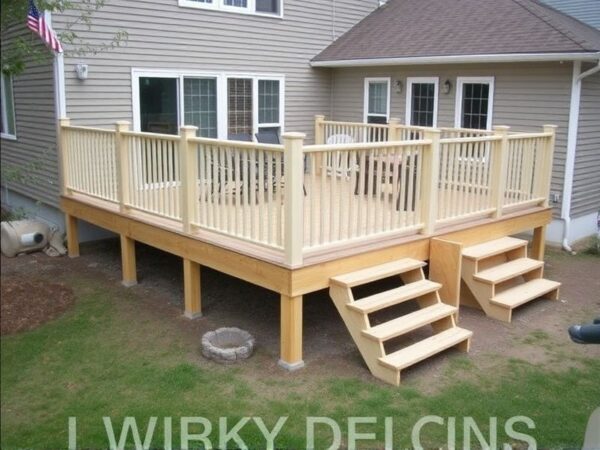
Building a Deck on Uneven Ground: A Practical Guide for Real-World Challenges
When Your Backyard Isn’t Flat as a Pancake
Let’s face it – most of us don’t have perfectly level yards. That slope you’ve been cursing every time you mow the lawn? It might actually become your deck’s best feature. I remember helping my neighbor Tom build his deck last summer. His backyard had a 5-foot elevation change that made his initial contractor quote skyrocket. But guess what? We got creative with stepped deck sections, and now it’s the envy of the neighborhood.
First Things First: Reading the Land
Before you even think about buying lumber, grab a folding chair and spend some time just looking at your space. Notice where water pools after rain, which areas get morning sun, and how the existing trees might affect your design. Pro tip: Use spray paint to mark potential post locations – you’ll be surprised how different things look once they’re physically marked.
I once worked on a hillside deck where the owner insisted on keeping a mature oak tree right in the building zone. We ended up designing a custom octagonal platform that wrapped around the trunk, creating this amazing natural canopy effect. Sometimes constraints lead to the best designs!
The Foundation Tango: Dancing With Slopes
Here’s where things get interesting. Your foundation choice can make or break the project (literally). For gentle slopes under about 2 feet, pier blocks work great – they’re like Lego for deck builders. But when you’re dealing with serious elevation changes, concrete footings become your new best friend.
| Foundation Type | Best For | Cost Estimate |
|---|---|---|
| Pier Blocks | Slopes under 24″ | $15-$25 per block |
| Concrete Footings | Steep slopes/frost areas | $30-$50 per footing |
Framing Magic: Making Uneven Look Intentional
Ever seen those beautiful multi-level decks that seem to float down a hillside? The secret’s in the framing. Instead of fighting the slope, work with it. Staggered beams and adjustable post bases can turn what seems like a problem into a design feature. Just last month, I helped a client create a “floating” deck that stepped down to their fire pit area – the elevation change actually made the space more functional.
Safety First (But Let’s Keep It Fun)
Nobody wants to be that person whose deck collapses during the first BBQ. Always check local building codes – they’re not just suggestions! A good rule of thumb: posts should extend below frost line (usually 3-4 feet in colder climates). And don’t skimp on railings, especially with elevation changes. I like to add planter boxes to rail posts – makes safety features look intentional instead of clinical.
Tools of the Trade: What’s Really Essential
You don’t need a contractor’s full arsenal, but these three tools are non-negotiable:
- A good laser level (trust me, your old bubble level won’t cut it)
- Post hole digger (the manual kind works fine for small projects)
- Impact driver (because stripped screws are the worst)
Blending In: Making Your Deck Look Like It Grew There
Here’s a trick I learned from landscape architects: use native plants in your deck design. That rock outcropping you were planning to remove? Turn it into a built-in bench. Uneven ground under the deck? Install lattice that follows the natural contour. The most successful projects feel like they’ve always been part of the landscape.
When Things Go Sideways (Literally)
Even with perfect planning, surprises happen. Last fall, we hit solid bedrock 18 inches down while digging footings. Instead of expensive excavation, we switched to a cantilevered design supported by existing boulders. Moral of the story? Flexibility is key when building on uneven terrain.
Is It Worth the Effort?
Absolutely! A well-built sloping deck can add 20-30% more usable outdoor space compared to flat designs. Plus, there’s something magical about having different “rooms” in your deck – maybe a dining area up top and a lounging zone a few steps down. Just be ready for some creative problem-solving along the way.
Final Pro Tips
If I could give just three pieces of advice for building a deck on uneven ground:
- Spend twice as long planning as you think you need to
- Always dig test holes before finalizing your design
- Leave access points for future maintenance
Remember, that challenging slope might just become your favorite feature. Happy building!




Reviews
There are no reviews yet.