


”
Have you noticed more Aussie homes switching to those sleek composite fences? Let me tell you why WPC fencing is becoming the talk of the town here in Australia. With our harsh sun and unpredictable weather, traditional timber fences just can’t keep up – I’ve seen too many warped palings after just one summer!
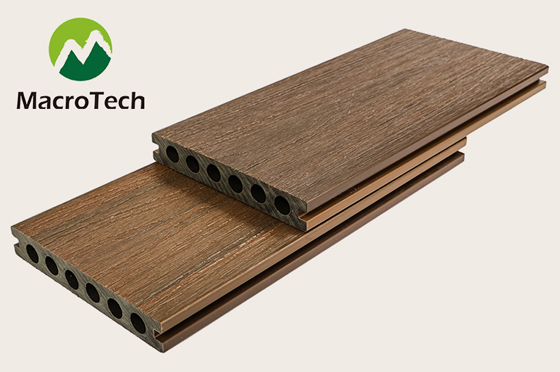
What’s driving this change? From what I’ve observed at local hardware stores, eco-conscious homeowners love that these fences use recycled materials. Imagine – your old milk bottles and construction offcuts getting a second life as beautiful boundary walls! A mate of mine in Brisbane installed WPC fencing last year and hasn’t touched a paintbrush since. “It’s like the Swiss Army knife of fencing,” he keeps saying.
But here’s the real kicker – these modern fences handle our climate like champions. Unlike traditional wood that cracks under the UV rays, the composite material laughs at our harsh sun. The best part? You’re not stuck with boring designs. I recently spotted a Melbourne home with charcoal-gray horizontal slats that looked straight out of a architecture magazine!
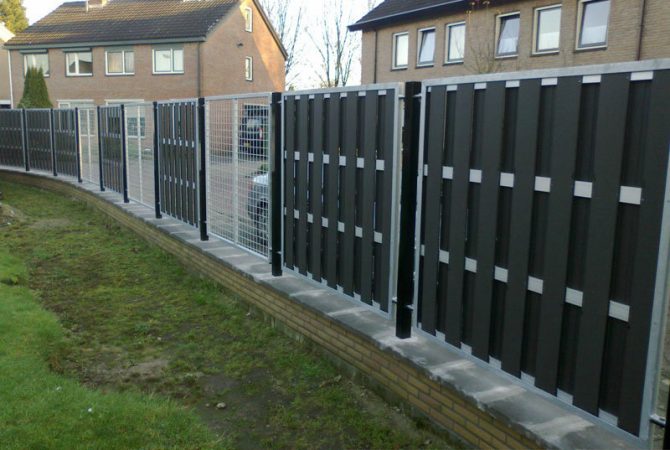
Why should you care? Well, next time you’re replacing that rotting timber fence, remember this – the initial cost might make you gulp, but think of all the weekends you’ll save on maintenance. No more sanding, staining, or replacing broken pickets after every storm. And hey, isn’t it satisfying knowing you’re keeping plastic out of landfills?
From coastal properties needing salt-resistant solutions to suburban homes wanting privacy without the upkeep, WPC fencing’s versatility continues to surprise me. Even local councils are jumping on board for public spaces – I spotted some gorgeous low-maintenance barriers at a Sydney park last month. Makes you wonder – will timber fences become as rare as backyard dunnies in another decade?
Let me tell you why I’ve been recommending WPC fencing to my neighbors here in Australia. You know that satisfying feeling when you find something that’s both eco-friendly and practically indestructible? That’s exactly what these recycled material fences offer. Made from a clever mix of reclaimed wood fibers and recycled plastics, they’re like the superhero version of traditional timber fences – saving trees while tackling our plastic waste problem. Pretty cool, right?
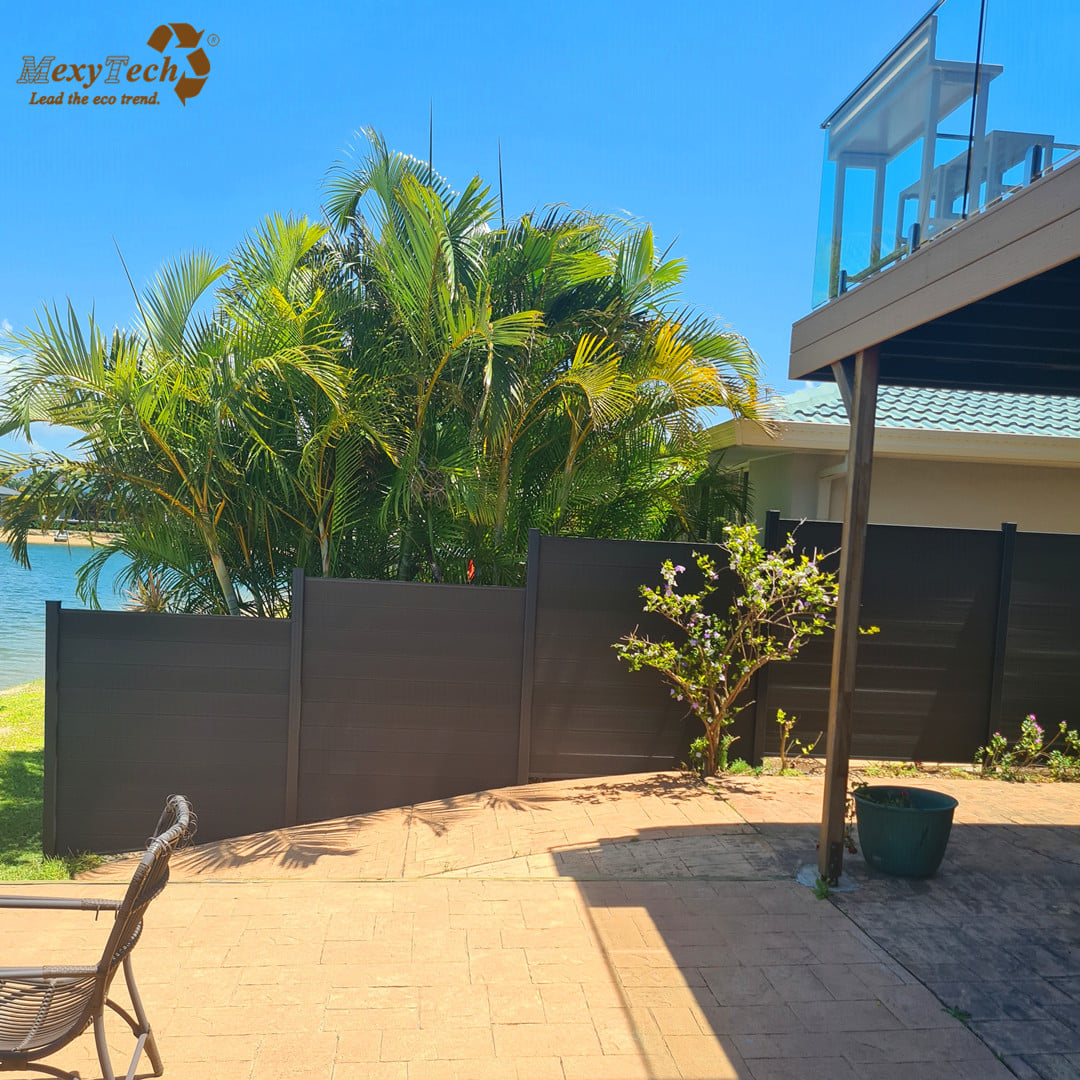
Now, any Aussie homeowner knows our weather doesn’t play nice. Remember that wooden fence I had that warped after two summers? The WPC alternative I installed three years ago still looks brand new despite facing full sun and heavy rains. Unlike traditional timber that cracks and fades, these composite materials laugh in the face of UV rays and moisture. The best part? No more weekends wasted on sanding and staining – just an occasional hose-down keeps it looking sharp.
I recently stumbled upon some great insights about sustainable fencing solutions that really confirmed my experience. Why settle for less when you can have fencing that protects your property and the environment? Whether it’s keeping the kids safe around the pool or creating privacy in suburban backyards, these versatile panels handle it all with eco-conscious style.
When it comes to sprucing up your Aussie property, I’ve noticed WPC fencing is becoming the go-to choice for homeowners who want both style and smarts. Let me tell you why – these composite fences are like the chameleons of outdoor design, blending seamlessly with everything from coastal beach houses to modern urban pads.
Your Personal Color Palette
Remember when fence colors meant choosing between ‘boring brown’ or ‘drab grey’? Those days are gone! Modern WPC fencing offers a whole spectrum of hues that actually stay vibrant. I recently helped a mate pick a deep charcoal shade that makes his succulent garden pop, and another friend went with a warm walnut tone that complements her heritage-style cottage perfectly. The best part? These colors don’t fade into that sad, washed-out look after a few harsh summers like traditional wood often does.
Texture That Tricks the Eye
Here’s where WPC really shines – run your hand along these fences and you’ll swear it’s real timber. Manufacturers have mastered textures ranging from smooth contemporary finishes to rough-sawn timber looks. I’ve seen installations where the fencing perfectly matches existing decking from quality suppliers, creating this gorgeous unified outdoor space that looks like it cost a fortune (but didn’t break the bank!).
More Shapes Than a Geometry Textbook
Whether you’re after privacy screens that block nosey neighbors or decorative borders for your rose garden, there’s a WPC style to match. Horizontal slats are all the rage for modern homes, while traditional picket designs never go out of style. Pool areas particularly benefit from the moisture-resistant versions – no more warped boards ruining that resort-style vibe you worked so hard to create!
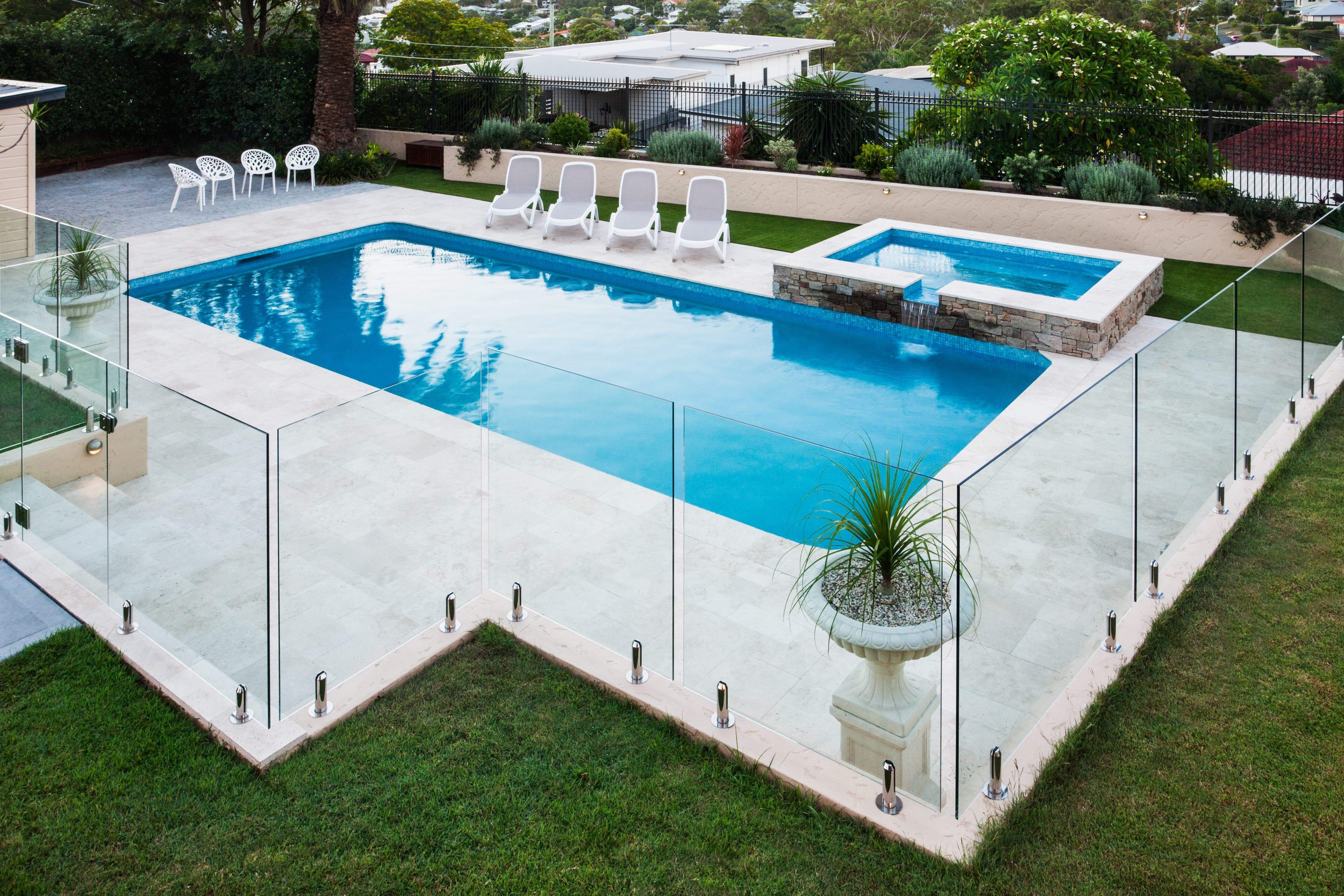
Maintenance? What maintenance? That’s what I love most about these fences. While my neighbor’s out every weekend staining his timber fence, mine just needs an occasional hose-down. After three years, my WPC fencing still looks fresh from the showroom – and I’m about as diligent with home maintenance as a teenager is with making their bed!
Friends often ask me – is it worth the investment? From what I’ve seen, while the upfront cost might make you gulp slightly, you’ll save heaps on replacements and upkeep. Plus, there’s something priceless about coming home to a property that looks magazine-ready year after year. Why settle for ordinary when you can have extraordinary that lasts?
Let’s talk about why Aussie homeowners are switching to WPC fencing – it’s like the superhero version of traditional timber! While that charming wooden fence might look great initially, we all know the drill: annual staining, termite checks, and replacement boards when the weather does its worst. Been there, scrubbed that!
The Maintenance Miracle
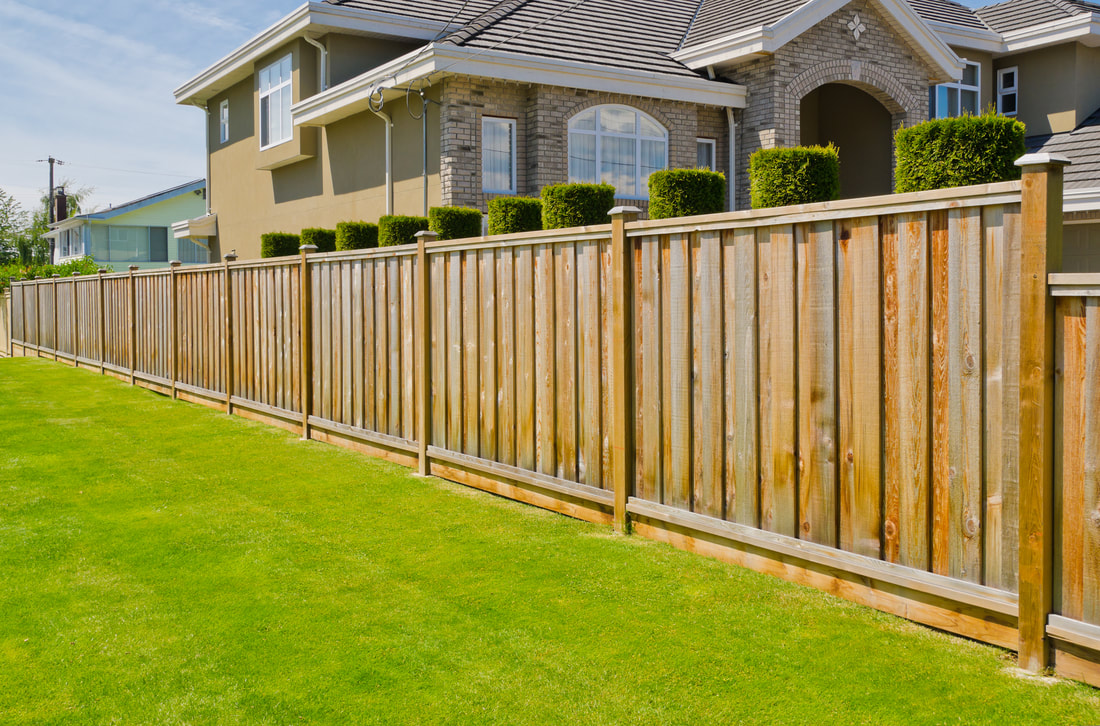
Here’s the game-changer: My neighbor’s WPC fence hasn’t seen a paintbrush in 5 years, while I’m still scrubbing mold off my timber panels every winter. WPC fencing laughs in the face of Aussie sun and rain – no warping, no splinters, just wipe-and-go cleaning. Remember that crazy storm last summer? Their fence stood proud while three of my timber palings needed replacing.
Ever tried budgeting for annual fence staining? With WPC, that money goes straight into your beer fund. The initial cost might make you blink – sure, it’s 20-30% more than basic timber – but do the math. Over 5-7 years, you’ll save hundreds on maintenance alone. That’s money better spent on weekend BBQs!
Pro tip from my own backyard blunder: Factor in the long-term savings when comparing quotes. The team at WPС Experts showed me how WPC fencing pays for itself through zero maintenance costs – no more surprise expenses for replacements or treatments.

What’s the real cost difference? Let’s break it down without the jargon:
- Year 1: WPC costs more upfront but includes professional installation
- Year 3: Timber needs resealing ($500+), WPC just needs a hose-down
- Year 7: Timber replacement starts, WPC still looks factory-fresh
Last Christmas, my cousin in Brisbane showed me her 10-year-old WPC fence – it looked brand new! Meanwhile, my “budget-friendly” timber fence had cost me nearly double in repairs and upkeep. Makes you think, doesn’t it?
When I first noticed the surge in WPC fencing installations across Brisbane backyards, it reminded me of how Aussies are finally embracing smarter solutions that marry practicality with environmental responsibility. Let me tell you, the future looks bright for these composite fences – and it’s not just because they withstand our harsh UV rays better than traditional timber!
The real game-changer comes from Canberra’s push for sustainable building materials combined with some clever manufacturing tweaks I’ve seen firsthand. Last month, I visited a local supplier who showed me how they’re now embedding UV protection right into the material matrix during production – no more surface coatings that wear off after two cyclones seasons. Smart, right?
 What’s really exciting is how manufacturers are catering to different needs. Coastal homeowners get salt-resistant formulations, while rural properties can opt for reinforced profiles that deter curious kangaroos. I helped a client in Western Australia install sand-colored WPC fencing that blends perfectly with their outback landscape – try doing that with standard treated pine!
The green angle goes deeper than just using recycled materials. Did you know some producers now use agricultural waste like sugarcane fiber instead of wood? It’s these innovations that make me confident we’ll see WPC fencing become the norm rather than the exception within the next decade. After all, who wouldn’t want a maintenance-free fence that still looks sharp after surviving three straight years of La Niña weather patterns?