

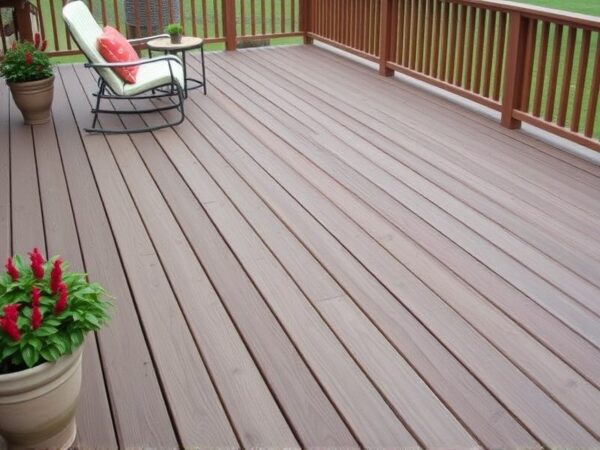
What Is the Best Rated Composite Decking? Top Material Choices Revealed
Let’s Cut Through the Composite Decking Confusion
Ever wonder why some decks look brand new after years of backyard barbecues and pool parties, while others turn into splintery messes? The secret’s in the material cocktail. Today’s top-rated composite decking isn’t just “plastic wood” – it’s a science project perfected through decades of trial and error. Let’s break down what actually makes these modern decks worth their price tag.
The Magic Formula: What’s Inside Matters
Picture this: you’re mixing a smoothie. Too much ice makes it watery, not enough ruins the texture. Composite decking works similarly. The best-rated brands nail the wood-plastic ratio – usually around 50% recycled wood fibers and 40-45% plastic polymers, with the rest being secret sauce additives. Trex leans heavier on wood fibers for that authentic grain feel, while TimberTech’s capped polymer formula acts like armor against UV rays.
Sun, Slips, and Surprises: The Real Deck Tests
Here’s where the rubber meets the road – or rather, where your bare feet meet the deck. Top performers like Fiberon HorizonDek don’t just promise UV resistance; they bake in color protection that lasts decades, not years. Slip resistance? Look for textured surfaces that mimic real wood grain patterns. Pro tip: Pour a glass of water on sample boards at your local store – if it beads up like a freshly waxed car, keep shopping.
Warranty Wars: Who’s Got Your Back?
Let’s talk about the fine print that actually matters. While most brands offer 25-30 year warranties, the devil’s in the details. Trex covers fading and staining for their entire warranty period, while some competitors only guarantee structural integrity. Heard about that guy in Arizona whose deck warped in 120° heat? His mistake was choosing a brand without heat-deflection technology – a feature TimberTech bakes into their higher-end lines.
Real People, Real Decks: What Buyers Are Saying
Sarah from Florida swears by her Fiberon deck: “Three hurricanes later, it still looks like the day we installed it – and I’ve never once grabbed the broom.” Meanwhile, DIYer Mike admits Trex was tougher to cut than expected: “My circular blade needed upgrading, but man, that clean finish was worth it.” These stories highlight what specs can’t – how the materials handle real-life chaos.
Installation Insider Tips You Won’t Find in Manuals
Contractors’ lips are sealed, but we’ve got the scoop. That expansion gap you’re tempted to skip? Crucial in humid climates. Hidden fastener systems might look sleek, but they’re trickier to repair. And here’s a freebie: always use stainless steel screws – the extra $20 prevents those ugly rust stains down the line.
Eco-Smart or Greenwashing? Certifications Decoded
That recycling logo doesn’t tell the whole story. True eco-champs like Trex use 95% recycled materials, including grocery bags and sawdust. But watch for greenwashing – some “sustainable” brands only recycle production scraps, not post-consumer waste. Bonus points if they’re Cradle to Cradle certified, meaning the deck can be recycled again when you’re done with it.
Climate Matchmaking: Picking Your Perfect Deck
Your zip code dictates your deck destiny. Fiberon’s heat-resistant formulas shine in the Southwest, while TimberTech’s moisture-wicking tech prevents mildew in soggy Pacific Northwest winters. Midwesterners? Look for all-rounders with good thermal contraction ratings – those freeze-thaw cycles are deck killers.
The Maintenance Myth: What You Actually Need to Do
“Low maintenance” doesn’t mean “no maintenance.” A quick power wash twice a year keeps most composite decks looking sharp. But skip the pressure washer’s turbo mode – you’ll blast off the protective coating. For stubborn stains, dawn dish soap and warm water work better than harsh chemicals that could void your warranty.
Cost vs. Value: When Does Composite Pay Off?
Upfront costs sting – quality composite runs 2-3x more than pressure-treated wood. But factor in 10+ years of no staining, sealing, or splinter removal, and the math changes. One homeowner calculated saving $400 annually on maintenance – meaning her deck pays for itself in 15 years. Not bad for something that also boosts your home’s resale value!
Head-to-Head: How Top Brands Stack Up
| Brand | Best For | Hidden Perk | Watch Out For |
|---|---|---|---|
| Trex | Traditional wood look | Stain resistance | Softer surface |
| Fiberon | Modern colors | Cool-to-touch tech | Limited texture options |
| TimberTech | Harsh climates | Scratch resistance | Higher price point |
Deck Detective: Spotting Quality Before You Buy
Next time you’re deck shopping, bring these secret weapons: a car key (test scratch resistance), a black sock (check for excessive heat absorption), and a quarter (measure board thickness). The best-rated composite decking should pass all three tests with flying colors – no scratched surfaces, burnt toes, or flimsy boards.
The Final Verdict: Is Composite Right for You?
If you’re the type who’d rather sip lemonade than scrape old stain every summer, composite’s your jam. But it’s not magic – you still get what you pay for. Splurge on UV-protected, capped polymer boards from reputable brands, and you’ll be that neighbor whose deck becomes the block’s gathering spot. Just don’t be surprised when everyone asks – “What is the best rated composite decking you used?” Now you’ll have the answers.


Reviews
There are no reviews yet.