

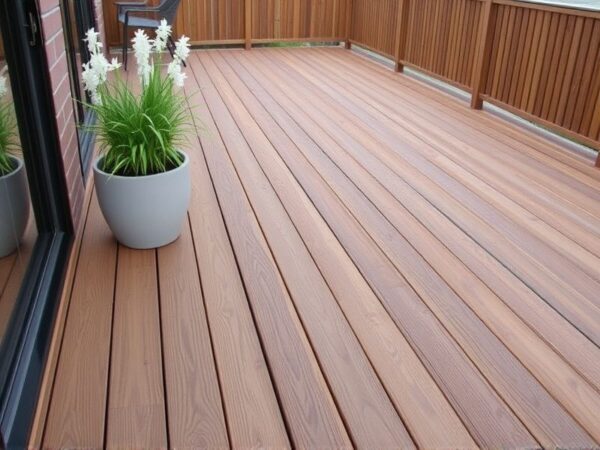
Wood Plastic Composite Decking in New Zealand: Your Low-Maintenance Backyard Hero
Why Kiwis Are Falling in Love With WPC Decking
Let’s face it – New Zealand’s weather can be brutal on outdoor spaces. Remember that beautiful timber deck you installed five years ago? The one that’s now warped, faded, and sprouting splinters? Enter Wood Plastic Composite Decking in New Zealand, the modern solution that’s been turning heads from Cape Reinga to Bluff. Combining recycled plastics and wood fibers, this stuff laughs in the face of our salty coastal air and sudden downpours. I’ve seen installations in Wellington’s wind tunnel suburbs that still look brand new after a decade. Now that’s what I call a smart investment!
The Secret Sauce: What Makes WPC Decking Tick
So how does this miracle material actually work? Think of it as the best bits of wood and plastic had a baby. The plastic (often 95% recycled) shrugs off moisture, while the wood fibers give that natural feel underfoot. Unlike traditional timber that needs annual sanding and staining, your biggest maintenance job with WPC might be hosing off some pohutukawa blossoms. Bonus points? You’re keeping plastic out of landfills – a win for your conscience and our beaches.
Coastal Living Made Easy
If you’re lucky enough to live near the coast (about 65% of us do, right?), you’ll appreciate how WPC handles salt spray. Traditional timber decks near beaches often last less than 10 years before needing replacement. WPC? I’ve checked installations in Mount Maunganui that are going strong 15 years later. The secret’s in the non-porous surface that stops salt crystals from eating into the material. No more fretting about corrosion stains from metal fixings either – most WPC systems use hidden stainless steel clips.
Colors That Feel Like Home
Now here’s where it gets exciting. Modern WPC isn’t that gray, plasticky stuff your uncle installed in 2010. Suppliers now offer stunning shades that mirror our native timbers. Fancy the warm honey tones of Kauri without the guilt? There’s a composite for that. Want the rich reds of Rimu but not the maintenance? Sorted. I recently saw a Christchurch home using a “Weathered Driftwood” shade that blended perfectly with their coastal section. The best part? These colors go right through the board, so scratches won’t show white underneath like some cheaper alternatives.
The Real Cost: WPC vs Traditional Timber
Let’s talk dollars. Yes, upfront costs for WPC are higher – maybe 20-30% more than basic treated pine. But here’s the kicker: when you factor in annual maintenance (stains, oils, replacement boards), WPC often becomes cheaper within 5-7 years. One Auckland family I spoke to saved over $4,000 in maintenance costs in their first decade. Plus, while timber decks might need replacing every 10-15 years, quality WPC installations often last 25+ years. That’s two generations of BBQs and summer parties!
| Feature | WPC Decking | Treated Pine |
|---|---|---|
| Lifespan | 25+ years | 10-15 years |
| Annual Maintenance | Basic cleaning | Sanding/Oiling |
| Coastal Suitability | Excellent | Poor |
Installation: Getting It Right
Here’s where many DIYers trip up. While WPC is more forgiving than timber, our NZ humidity requires proper spacing. I’ve seen decks buckle because someone skipped the 5mm gap between boards. Reputable suppliers like Cedar Co offer full installation guides meeting NZS 3604 standards. Pro tip: spring afternoons are golden for installation – the material expands less in moderate temperatures.
Keeping It Beautiful
Maintaining your WPC deck is easier than cleaning a Weber grill. For most situations, a stiff broom and garden hose does the trick. In salty areas like Napier, a monthly rinse prevents salt buildup. Got mold in shady spots? A vinegar-water mix works wonders without harsh chemicals. Remember though – pressure washers are overkill. You wouldn’t scrub a non-stick pan with steel wool, right?
Where WPC Shines (Literally)
From urban townhouses to bach decks, here’s where Kiwis are using WPC:
- Pool surrounds that stay cool underfoot
- Rooftop terraces in windy cities
- Jetty extensions in tidal zones
- Low-maintenance ramps for aging parents
A Queenstown architect recently used charcoal WPC for a modern alpine home – the contrast with snow was stunning!
Finding Your Perfect Match
Local suppliers have really stepped up their game. Most offer samples you can test at home – crucial for seeing how colors change in our unique light. Look for brands with UV stabilizers to prevent fading. The team at Coastal Composites even does virtual reality previews! When comparing quotes, check:
- Recycled material content (%)
- Warranty length (aim for 15+ years)
- Hidden fastener system quality
The Verdict?
Let’s be honest – WPC isn’t the cheapest option. But for busy Kiwis who value their weekends and our environment, it’s a game-changer. No more worrying about toddlers getting splinters or feeling guilty about deforestation. With proper installation and basic care, your WPC deck could outlast your mortgage. Now that’s what I call a true Kiwi backyard hero!


Reviews
There are no reviews yet.