


China WPC Board Manufacturers: Sustainable Building Solutions for Modern Architecture
Why Everyone’s Talking About Chinese WPC Boards
Let’s face it – when you’re sourcing building materials, you want the sweet spot between durability, style, and eco-friendliness. That’s where China WPC board manufacturers are changing the game. These composite wonders blend wood fibers and recycled plastics, creating materials that laugh in the face of rot while keeping our forests standing. And hey, who doesn’t love saving money? Chinese factories have perfected the art of delivering premium quality without the luxury price tag.
The Secret Sauce: What Makes These Boards Special
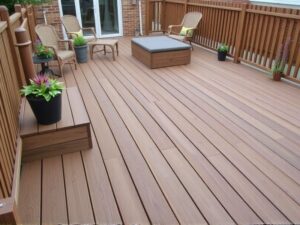
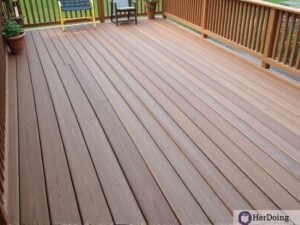
Imagine material that handles monsoon rains better than teak, stays cool under scorching sun, and won’t warp if your kid leaves the sprinklers on all weekend. Chinese-made WPC boards bring serious weather resistance to the table – we’re talking 10-15 years outdoor use without significant wear. Maintenance? Basically non-existent. A quick hose-down twice a year keeps them looking fresh, unlike traditional wood that demands constant staining.
Fire safety nerds will appreciate this: Most manufacturers now include fire-retardant additives meeting Class B1 standards (that’s self-extinguishing, for those keeping score). Load capacity’s no joke either – these boards can handle about 300-400kg per square meter, making them solid choices for busy commercial spaces.
Customization: Your Design, Their Playground
Here’s where Chinese factories really shine. Need boards in neon pink for that Miami boutique hotel? Check. Extra-wide planks for a seamless deck look? Done. I recently saw a project where a Shanghai manufacturer created WPC panels mimicking century-old barn wood – complete with artificial wormholes! The minimum order quantity’s surprisingly flexible too, with many factories accepting orders as small as 500 sqm for custom designs.
Eco-Cred That Actually Means Something
While “greenwashing” runs rampant elsewhere, China’s top WPC makers walk the talk. Over 60% of materials come from post-industrial recycled plastics and wood waste. Many hold FSC certification and comply with ISO 14001 environmental standards. One Guangdong-based supplier even tracks the carbon footprint of each batch – now that’s transparency!
Real-World Warrior: Where These Boards Excel
• Coastal resorts: Salt spray? No problem. A hotel in Hainan uses WPC decking that’s survived 8 typhoon seasons
• Urban rooftops: Lightweight yet sturdy – perfect for rooftop bars without structural overhauls
• Commercial facades: That sleek office building in Dubai? Probably clad in Chinese WPC
• Wet areas: Poolside installations that won’t turn into slip hazards
Traditional Materials vs. WPC: No Contest
| Feature | Solid Wood | Plastic Lumber | China WPC |
|---|---|---|---|
| Lifespan (outdoor) | 5-8 years | 10-12 years | 12-25 years |
| Annual Maintenance Cost | High | Moderate | Negligible |
| Eco-Friendliness | Deforestation concerns | Recycled content varies | 60-80% recycled |
Global Reach: Not Just Local Heroes
Chinese WPC board manufacturers aren’t just supplying their backyard. Major players export to over 80 countries, with Europe and North America accounting for nearly half of shipments. Container load times have improved dramatically – expect sea freight to major ports in 25-35 days. Some suppliers even handle overseas installation crews, which came in handy for that massive stadium project in Qatar.
Pro Tips for Buyers
1. Ask for UV-stabilized formulations if using in sunny climates
2. Check if edge patterns match across batches – some cheaper boards show repetition
3. Negotiate mold fees – many factories will waive them for large orders
4. Request production videos – legit manufacturers love showing off their facilities
The Future Looks Bright (and Sustainable)
With R&D investments skyrocketing, China WPC board manufacturers are pushing boundaries. We’re seeing fire-resistant grades suitable for high-rises, conductive versions for smart buildings, even antibacterial formulations for hospitals. As circular economy principles take hold, that “Made in China” stamp is becoming a badge of eco-innovation rather than just cost savings.
At the end of the day, whether you’re renovating a beach house or specifying materials for a skyscraper, these composite boards offer solutions that traditional materials can’t match. And with Chinese manufacturers continuously upping their game, it’s no wonder global architects are keeping their suppliers on speed dial.


Reviews
There are no reviews yet.