

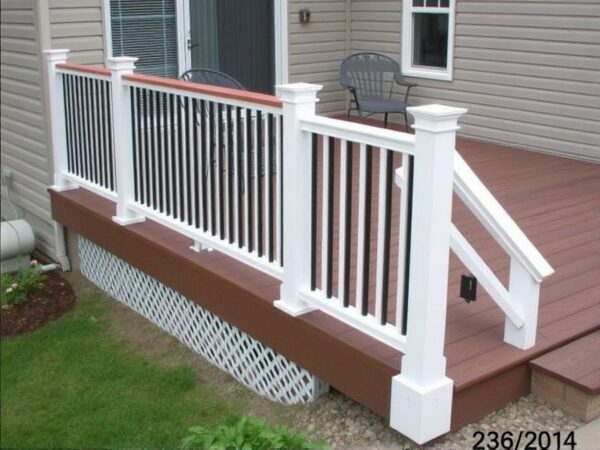
Composite Rails for Decking: The Smarter Choice for Modern Outdoor Spaces
Why Your Deck Deserves Better Than “The Old Reliables”
Let’s be real – when most people think deck rails, they picture either that splintery wood everyone curses while staining, or those chilly metal pipes that turn into frost magnets in winter. But what if I told you there’s a third option that’s been quietly revolutionizing outdoor spaces? Enter composite rails for decking, the unsung heroes of contemporary backyard design.
The Secret Sauce: What Makes Composite Rails Tick
Imagine taking the best parts of wood and plastic, then mixing them with a dash of space-age technology. That’s essentially what you get with composite rails. Most brands use about 60% recycled materials – think sawdust from lumber mills and plastic grocery bags that would otherwise choke landfills. The result? A material that laughs in the face of UV rays and shrugs off rain like it’s nothing.
Battle of the Materials: Composite vs. The Usual Suspects
Let’s break this down in plain English. Traditional wood rails might look nice… for about 15 minutes after installation. Then come the warping, splitting, and that never-ending maintenance cycle. Metal? Sure, it’s durable, but try leaning on a steel rail after it’s baked in the sun all day – ouch!
| Feature | Composite | Wood | Metal |
|---|---|---|---|
| Annual Maintenance | Just soap & water | 40+ hours | Rust treatment |
| Lifespan | 25+ years | 8-10 years | 15-20 years |
| Temperature Tolerance | -40°F to 180°F | Warp risk >90°F | Conducts heat/cold |
Real World Perks You’ll Actually Notice
Remember that friend who bragged about their “low maintenance” deck… right before spending their weekend sanding? With composite rails, you could literally install them and forget about them. No sealing, no staining, no surprise splinters when you lean on the rail to watch fireworks.
Curves Ahead: Design Freedom You Didn’t Know You Needed
Here’s where things get exciting. Trying to make wooden rails follow a curved deck? That’s like asking a toddler to draw a perfect circle. Composite materials bend (literally) to your design whims. I recently saw a gorgeous infinity-edge deck in Colorado that used heated composite rails to create smooth curves – something that would’ve been impossible with traditional materials.
Winter Warriors and Sun Defenders
Living in Minnesota? Composite rails won’t turn brittle in -30° winters. Arizona resident? The UV inhibitors keep colors from fading faster than your patio cushions. Most manufacturers guarantee color retention for at least a decade – try getting that promise from untreated wood!
The Installation Game-Changer
Here’s a dirty little secret contractors love: composite rail systems often use hidden fasteners and modular designs. Translation? What used to take three days now might take one. No more wrestling with warped boards or custom-cutting metal pieces. The hidden clip systems also mean no visible screws ruining your clean lines.
Eco-Friendly Without the Tree-Hugger Stereotype
Let’s cut through the greenwashing. While composite rails aren’t perfect, using recycled materials means you’re keeping about 300 plastic bags per 8-foot section out of oceans. Plus, no annual chemical treatments leaching into your soil. It’s environmentalism that doesn’t require sacrificing style or convenience.
When Composite Rails Shine Brightest
Thinking about a rooftop deck? Composite’s lightweight nature (about 30% lighter than hardwood) makes it ideal. Coastal home? Salt spray won’t corrode it like metal. Even for straightforward backyard decks, the long-term savings add up. One client saved nearly $4,000 over a decade by skipping annual staining costs.
The Cost Conversation: Breaking Down the Math
Yes, composite rails cost more upfront – maybe 20-30% over pressure-treated wood. But factor in zero maintenance costs and a lifespan that’s 3x longer? You’re actually coming out ahead after about year seven. Plus, many homeowners report increased property values – apparently buyers love the “move-in ready” aspect of maintenance-free rails.
Pro Tips From the Trenches
Having installed hundreds of these systems, here’s my advice:
– Go for darker colors if you have pets (scratches show less)
– Leave a tiny expansion gap in super hot climates
– Use manufacturer-recommended cleaners (harsh chemicals can dull the finish)
– Consider mixing rail styles – maybe composite top with metal balusters for industrial flair
Common Concerns: Let’s Set the Record Straight
“But don’t they get slippery?” Modern textures mimic wood grain for grip. “What about fire resistance?” Most meet Class B fire ratings – same as standard decking. And no, they won’t melt if your neighbor’s BBQ flares up (tested that one personally!).
The Final Verdict
At the end of the day, composite rails for decking aren’t perfect for every single scenario. But for 90% of homeowners tired of the maintenance merry-go-round, they’re a game-changer. Think of it this way – more time for BBQs, less time for brush strokes. Now who’s ready to upgrade their outdoor living game?



Reviews
There are no reviews yet.