

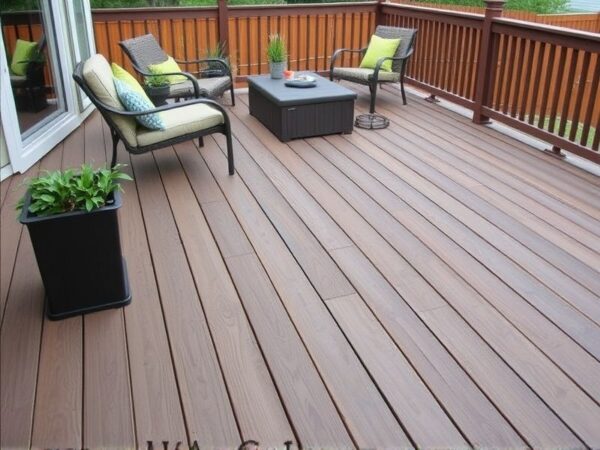
What Is Composite Decking Material? Your Go-To Guide for Smarter Outdoor Living
So What Exactly Is This Miracle Material?
Let’s cut through the jargon – composite decking is like the superhero of outdoor floors. Imagine recycled plastic bottles and sawdust teaming up to create planks that laugh in the face of rot, splinters, and constant maintenance. Unlike your grandpa’s wooden deck that needs yearly TLC, this stuff just keeps looking good with minimal effort.
The Secret Sauce: What’s Inside?
Picture this: about 50-50 mix of wood fibers (from factory scraps you’d normally toss) and recycled plastics (those milk jugs you religiously recycle). They get baked together at high temps with some color pigments and UV protectants – voilà! You get planks that mimic real wood grain but won’t warp like your old deck did last summer.
Why Your Neighbor Won’t Stop Bragging About Their Composite Deck
• No more weekend projects: Forget sanding and staining – a quick hose-down keeps it fresh
• Survives anything: From -20°F winters to scorching 120°F heat waves
• Grip matters: Textured surfaces that laugh at wet swimsuits and spilled margaritas
• Color that lasts: UV protection keeps it from fading like your favorite patio umbrella
Wood vs. Composite: The Real Talk
Remember that friend who bought a beautiful cedar deck? Ask them about replacing warped boards and fighting mold. Traditional wood might save you $5/sq ft upfront, but you’ll pay in weekends lost to maintenance. PVC alternatives? They get slippery when wet and can’t handle heavy furniture without denting.
| Pressure-Treated Wood | Composite | PVC | |
|---|---|---|---|
| Yearly Maintenance | 8-10 hours | 1-2 hours | 2-3 hours |
| Lifespan | 10-15 years | 25-30 years | 15-20 years |
Installation: DIY or Call the Pros?
Here’s the deal – composite decking is lighter than wood but needs proper spacing for expansion. If you’re handy with tools, you might tackle it over a weekend. But for multi-level decks or complex patterns? Worth hiring someone who’s done this dance before. Pro tip: Spring for hidden fasteners – they give that sleek, seamless look everyone loves.
When Composite Decking Shines Brightest
• Pool areas that see constant foot traffic and wet feet
• Rooftop decks where weight matters
• Coastal homes battling salt spray and humidity
• Busy families who’d rather play than maintain
The Price Tag That Makes Sense
Sure, composite costs more upfront – think $15-30/sq ft installed versus wood’s $10-20. But crunch the numbers: No more $500 annual staining bills. No replacing rotten boards every few years. Over a decade, you’ll likely come out ahead. Plus, some manufacturers offer 25-year fade and stain warranties!
Hot Trends in Deck Designs
Gray tones are having a moment (hello, modern farmhouse vibes), mixed-width patterns add visual interest, and curved edges are making decks feel more organic. Brands like Trex and TimberTech now offer realistic wood textures – you have to touch them to believe they’re not real cedar.
Eco-Friendly Cred You Can Feel Good About
Most major brands use 95% recycled materials. Look for FSC-certified wood fibers and Greenguard certifications. It’s not perfect – you can’t recycle it again – but keeping plastic out of landfills for decades? That’s a win we can all get behind.
Straight Talk: Where It Might Disappoint
Let’s keep it real – composite gets hotter than wood in direct sun (darker colors especially). Solution? Add some shade structures or go for lighter tones. Also, while scratches are rare, dragging heavy metal furniture can leave marks. Felt pads are your new best friend.
The Final Verdict
If you’re tired of deck maintenance eating into your summer weekends, composite decking material is a game-changer. It’s not the cheapest option, but for hassle-free outdoor living that looks great year after year? Worth every penny. Next time you’re sipping lemonade on your pristine deck while neighbors scrub mildew? You’ll know you made the right call.


Reviews
There are no reviews yet.