

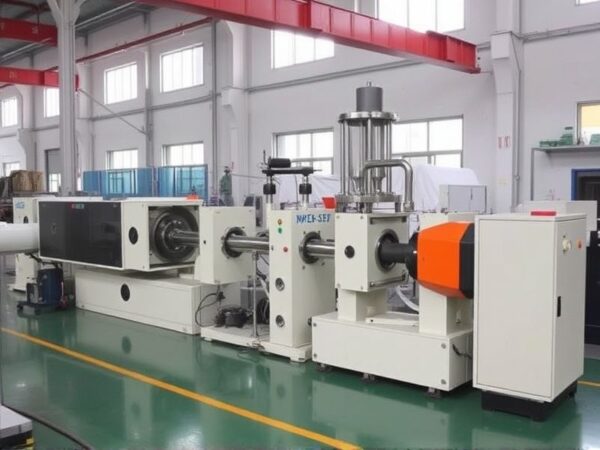
What Makes WPC Extrusion Machines the Game-Changer for Sustainable Manufacturing?
The Nuts and Bolts of WPC Extrusion Tech
Let’s cut through the jargon – when we talk about WPC extrusion machines, we’re really discussing the ultimate recyclers of the manufacturing world. These bad boys take wood fibers (think sawdust or agricultural waste) and mix them with polymers like PVC or PE to create materials that feel like wood but behave like plastic. The secret sauce? It’s all in the screw design and temperature control.
Picture this: a heavy-duty screw rotating at about 15-40 RPM inside a barrel heated to roughly 300-400°F. This isn’t your grandma’s pasta maker – the specially designed flights on the screw create just the right amount of shear to blend wood and plastic without burning the mixture. I’ve seen operators at a facility in Ohio tweak these settings in real-time using touchscreen controls to switch between producing decking boards and furniture components.
Why Your Factory Floor Will Love These Machines
Remember the old days when switching materials meant hours of downtime? Modern WPC extruders laugh in the face of such inefficiency. Their modular barrels let you swap out screw configurations faster than a NASCAR pit crew changes tires. Here’s a quick reality check:
| Feature | Traditional Extruders | WPC Specialists |
|---|---|---|
| Material Switching Time | 4-6 hours | Under 90 minutes |
| Energy Use per Ton | ~850 kWh | ~550 kWh |
| Maintenance Cycles | Every 500 hours | Every 1,200 hours |
The real kicker? These machines play nice with up to 70% wood fiber content. I recently visited a Colorado startup making patio furniture from recycled milk jugs and walnut shells – their material costs dropped by 40% compared to using virgin plastic.
Keeping the Lights On (While Saving Energy)
Let’s talk dollars and sense. The latest WPC extrusion machines come with smart energy recovery systems that’d make a hybrid car jealous. They capture heat from the cooling process to pre-heat incoming materials, cutting energy bills by about a third. One manufacturer in Texas told me their monthly power savings could cover three extra staff salaries!
But here’s where it gets interesting – the temperature zoning. Unlike old-school extruders that treated the whole barrel the same, modern units have up to 8 independent heating zones. This means perfect control from the feeding section (kept cooler to prevent early melting) to the metering zone (where precision matters most).
From Construction Sites to Chic Furniture Showrooms
You know those trendy reclaimed wood lookalikes in modern coffee shops? Chances good they’re WPC products. The construction industry’s gone wild for these materials too – I’ve seen entire office complexes clad in WPC panels that weather storms better than traditional wood but cost less than composite alternatives.
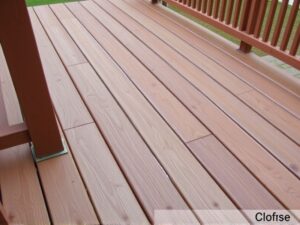
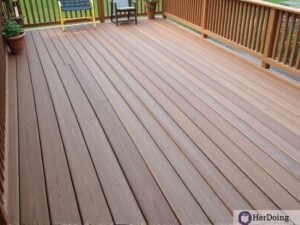
Here’s a quick scene-setter: A typical WPC extrusion machine can churn out about 1,000 linear feet of decking per hour. That’s enough to cover three basketball courts in an 8-hour shift. But it’s not just about quantity – the surface textures achievable now would make a master carpenter do a double-take.
The Maintenance Lowdown (Without the Boring Stuff)
Let’s be real – nobody likes maintenance talks. But with WPC machines, there’s good news. The wear-resistant screws coated with special alloys last about twice as long as conventional ones. A tip from an Oregon-based operator: Keep an eye on the torque sensors. If you see fluctuations exceeding 10%, it’s time for a screw inspection – could save you a costly shutdown later.
Lubrication? These newer models use automatic greasing systems that add just the right amount of lubricant every 50-70 operating hours. One less thing for your crew to forget, right?
Why This Isn’t Just Another Manufacturing Fad
The market’s shouting loud and clear – eco-friendly building materials are projected to grow by over 60% in the next five years. WPC extrusion machines sit right at the heart of this revolution. They’re not just about being green; they’re about making green. A furniture maker in North Carolina doubled their profit margins by switching to WPC production, thanks to reduced waste and faster turnaround times.
Compared to traditional extrusion methods, here’s the bottom line: You get materials that are 1) more durable than pure wood, 2) more sustainable than virgin plastic, and 3) way more versatile than either. Plus, with consumers willing to pay premium prices for sustainable goods, the business case writes itself.
Final Thoughts From the Factory Floor
Having toured dozens of facilities using WPC extrusion machines, the pattern’s clear – operations that adopt this tech stay competitive. Whether it’s the ability to use local waste materials (a win for rural communities) or meeting strict environmental regulations (looking at you, California), these machines are becoming the MVP of modern manufacturing.
One last pro tip: If you’re considering a WPC extrusion machine, look for models with IoT connectivity. The ability to monitor production metrics from your smartphone isn’t just cool – it’s becoming essential for quality control in large-scale operations. Trust me, your future self will thank you when you catch a temperature anomaly during your morning coffee break!


Reviews
There are no reviews yet.