

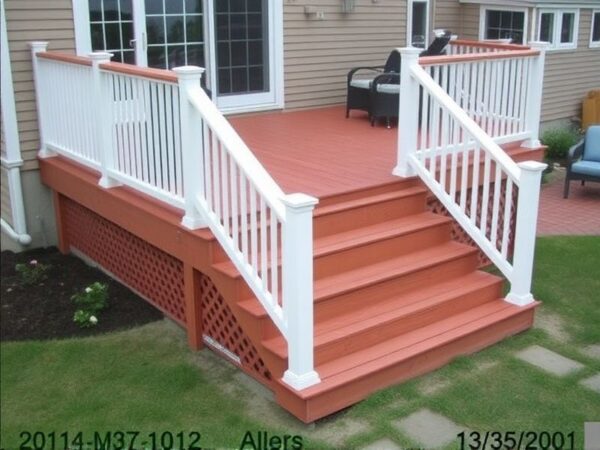
Wide Deck Steps Design: Where Safety Meets Style
Why Wide Steps Make Sense for Modern Living
Ever noticed how some outdoor spaces just feel more inviting? That’s often thanks to thoughtful details like wide deck steps design. These generous staircases aren’t just about looking good – though they certainly do that. They’re practical solutions for families hauling groceries, seniors needing stable footing, and hosts carrying trays of lemonade during summer parties. Whether you’re updating a cozy backyard deck or designing a commercial plaza, wide steps create that welcoming “come sit awhile” vibe we all love.
Material Matters: Choosing Your Step Personality
Let’s talk materials, because what’s underfoot really sets the tone. Composite decking has become the go-to for many homeowners – it’s like the low-maintenance friend who always looks put together. With color options ranging from driftwood gray to rich espresso, these synthetic boards resist splintering and only need occasional hosing down. But don’t count out traditional hardwoods just yet. I recently worked with a client who insisted on ipe wood for their lakeside cabin steps. Three years later, those golden-brown stairs have weathered to a beautiful silver patina that blends perfectly with the natural surroundings.
| Material | Best For | Maintenance Level |
|---|---|---|
| Composite | Busy households, coastal areas | Low (annual cleaning) |
| Hardwood | Traditional designs, nature blends | Medium (bi-annual sealing) |
Safety First (Without Sacrificing Style)
Here’s the thing about safety features – done right, they actually enhance the design. Textured surfaces are my secret weapon. We’re not talking industrial grip tape here. Modern embossing techniques can create subtle traction patterns that look intentional. For a recent ADA-compliant project downtown, we used composite boards with integrated ridges that catch the light beautifully. Pro tip: Always make your top step slightly different – maybe a contrasting color or extra-wide landing. It’s a subtle visual cue that prevents missteps, especially in low light.
Making It All Flow Together
Imagine wide deck steps that feel like they grew there naturally. That’s what happens when you coordinate with existing elements. For a mountain home renovation last fall, we extended the steps’ width to match the stone retaining walls, then flanked them with dwarf spruce shrubs. Lighting integration can be magical too – try recessed LED strips under handrails. They create soft pathway lighting without that harsh “runway” effect. And don’t forget about transitions! A client once asked me why their new steps felt disconnected. Turns out they’d forgotten to continue the deck’s border pattern onto the stair risers.
Built to Last Through Seasons
Let’s be real – outdoor steps take a beating. That’s why I always recommend sealed joints and hidden fasteners, especially in freeze-thaw climates. A little secret from my toolbox: Slight crowning on step surfaces helps water runoff without making the stairs feel slippery. Maintenance-wise, it’s amazing what difference seasonal care makes. For composite materials, a soft scrub with oxygen bleach keeps colors fresh. With wood steps, think of sealant like sunscreen – reapply every couple years to prevent UV damage.
Design Touches That Elevate Your Space
Want to make your wide deck steps the star of the show? Try these crowd-pleasers:
- Curved edges that mirror garden beds below
- Mixed materials like stone caps on wood steps
- Planter-integrated railings spilling with trailing ivy
One of my favorite projects used alternating deep and shallow treads to create built-in seating nooks. Clients report it’s become their kids’ favorite spot for sidewalk chalk art!
When Commercial Spaces Need That Homey Feel
Wide deck steps design isn’t just for houses. Cafés with outdoor seating areas benefit immensely from accessible, welcoming entrances. I recently consulted on a brewery patio where we used extra-wide staggered steps to create natural gathering spots. The owner loved how it encouraged socializing while meeting strict ADA requirements. For high-traffic areas, consider slightly thicker treads – they’ll handle delivery carts and foot traffic without showing wear as quickly.
Cost Considerations That Might Surprise You
Here’s the good news: Going wide doesn’t necessarily mean going broke. While materials obviously affect price, smart design choices can optimize your budget. Composite steps might cost about 20% more upfront than pressure-treated wood, but they’ll save you maintenance hours down the line. A pro tip? Standardize your dimensions. Custom widths and angles add up fast, while sticking to common measurements can utilize off-the-shelf materials.
Real Homeowner Stories
Take the Johnson family from Austin – they worried wide steps would overwhelm their small backyard. We designed tapered steps that start wide at the top and narrow slightly as they descend toward the garden. The result? Easy access for their toddler’s tricycle without eating up lawn space. Or Mrs. Chen’s bed and breakfast – her new wide cedar steps with cable railings became such a photo spot that she’s using them in her marketing materials!
Your Next Steps (Pun Intended)
Ready to transform your space with wide deck steps design? Start by observing how people naturally move through your outdoor areas. Notice where they pause to chat or struggle with packages. Bring those insights to your designer, and don’t be afraid to ask for material samples. After all, you’ll want to see how that composite board looks in afternoon light or feel the texture of railings. Remember, great design solves problems you didn’t know you had – like steps that make carrying groceries upstairs feel effortless, or a entryway that makes guests say “wow” before they even reach your front door.


Reviews
There are no reviews yet.