

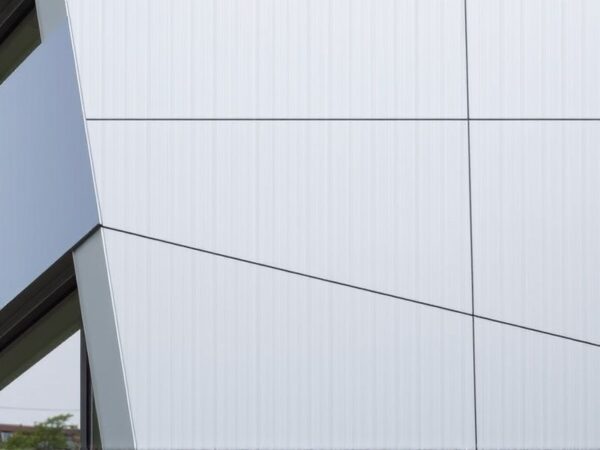
Aluminum Composite Cladding: The Modern Builder’s Secret Weapon
Let’s talk about a material that’s quietly reshaping skylines from Dubai to downtown Chicago. Aluminum composite cladding isn’t just another pretty face for buildings – it’s like the Swiss Army knife of construction materials. But what exactly makes it tick, and why are architects going nuts over it? Grab your coffee, and let’s peel back the layers.
What’s Inside This Stuff Anyway?
Picture a sandwich, but instead of ham and cheese, you’ve got two aluminum sheets hugging a polyethylene core. That middle layer? It’s about 40-60% of the total thickness and acts like the material’s shock absorber. But wait – before you start thinking about grocery store plastic bags, this is industrial-grade PE that laughs at weather changes and shrugs off chemical reactions.
The real magic happens with the coatings. Most panels come dressed in PVDF (that’s polyvinylidene fluoride for the chemistry nerds) which works like invisible armor. We’re talking UV resistance that keeps colors from fading faster than your favorite band t-shirt, plus enough scratch resistance to handle accidental scrapes from construction gear.
Fire Safety: The Game Changer
Remember that scary high-rise fire footage from a few years back? That’s why fire-rated panels became a big deal. Standard panels work fine for low-rises, but if you’re working on anything taller than a two-story house, you’ll want the fire-resistant version. These bad boys swap out the regular PE core for mineral-filled magic that can buy crucial extra minutes during a fire – we’re talking about 30-90 minutes of resistance depending on the brand.
| Feature | Standard Panel | Fire-Rated Panel |
|---|---|---|
| Core Material | Polyethylene | Mineral-filled Composite |
| Fire Resistance | Basic | 30-90 minutes |
| Weight | Lighter | Slightly Heavier |
| Cost | $$ | $$$ |
Pro tip: Always check your local building codes. Some cities now mandate fire-rated cladding for buildings over 40 feet tall. Better safe than sorry, right?
Bending the Rules (Literally)
Here’s where things get fun. Aluminum composite panels can curve and bend in ways that make traditional materials jealous. I once saw a theater facade in Seoul that looked like a frozen ocean wave – all thanks to curved cladding installations. The secret? That flexible core lets panels bend to radii as tight as 3 feet without cracking.
Architects love using these for:
- Signature curved facades that become instant landmarks
- Seamless column wraps in hotel lobbies
- Eye-catching canopy designs at airport terminals
Low Maintenance, High Satisfaction
Let’s be real – nobody wants to spend weekends pressure-washing their building. Compared to concrete that stains or wood that needs repainting every few years, aluminum composite cladding is basically the “wash and forget” option. A simple soap-and-water rinse twice a year keeps most installations looking fresh. Bonus: no rust worries like with steel panels.
Fun story: A museum in coastal Florida switched to composite cladding and cut their maintenance budget by 70%. Salt air? Tropical storms? No problem.
Green Credentials That Matter
In an era where “sustainable” gets thrown around like confetti, here’s the real deal: Aluminum composite panels are about 85% recyclable. The aluminum skins get melted down for new products, and manufacturers are getting better at repurposing the core materials too. Plus, the thermal insulation properties can shave 15-20% off a building’s energy bills compared to traditional cladding.
But here’s the kicker – because these panels are so lightweight, you need less structural support. That means less concrete in the foundation, which is a big win for reducing overall carbon footprint.
Installation Do’s and Don’ts
Even the best materials can fail if installed wrong. Some hard-won wisdom:
- Always leave expansion gaps – metal expands more than you think
- Use stainless steel fasteners to avoid ugly corrosion stains
- Seal joints properly – this isn’t the place to cheap out on caulk
- Check wind load ratings for your area
And please – no shortcuts on fire-rated installations. I’ve seen entire projects delayed because someone tried to mix standard and fire-rated panels in the same system. Just don’t.
Where It Shines (And Where It Doesn’t)
This material isn’t magic pixie dust for every project. It’s perfect for:
- Commercial high-rises needing lightweight durability
- Retail spaces wanting that sleek, modern look
- Renovations where adding heavy materials isn’t an option
But maybe think twice for:
- Extreme industrial environments with constant chemical exposure
- Historical preservation projects needing traditional materials
- Budget-conscious single-family homes (vinyl siding still wins there)
At the end of the day, aluminum composite cladding solves problems builders didn’t even know they had. From its chameleon-like ability to mimic other materials to its behind-the-scenes performance perks, it’s no wonder this material keeps climbing up the architectural charts. Just remember – like any good tool, it’s all about using it the right way for the job at hand.



Reviews
There are no reviews yet.