

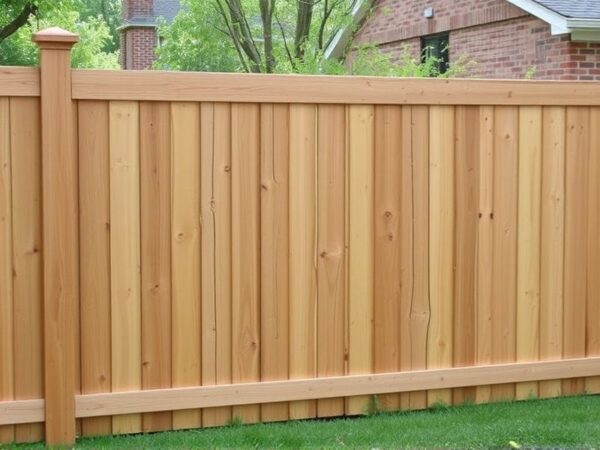
Premium Oak Fence Boards: Durable & Natural Privacy Solutions
Why Oak Fences Outlast the Competition
Let’s cut to the chase – when you’re building a fence that needs to look good for decades, oak’s your heavyweight champion. Unlike those flimsy pine boards that start warping after a few rainy seasons, oak fence boards laugh in the face of harsh weather. I’ve seen 20-year-old oak fences that still have their original straight edges, while cheaper alternatives nearby looked like rollercoaster tracks. The secret? Oak’s natural density (about 45-50 lbs per cubic foot, if you’re curious) makes it resistant to both moisture damage and those pesky wood-boring insects.
The Beauty That Adapts to Your Style
Here’s where oak really shines – it’s like the chameleon of fencing materials. Want a rustic farmhouse vibe? Leave it natural and watch the wood develop that gorgeous silvery patina over time. Prefer something more polished? A simple stain can turn those boards into anything from honey-gold warmth to rich espresso tones. Last summer, I helped a client match their oak fence to their Craftsman-style home’s trim using a custom stain mix – you’d swear the fence was part of the original architecture.
Installation Tricks They Don’t Tell You
Now let’s talk brass tacks. Oak’s weight means you can’t skimp on post depth – go at least 30% deeper than standard recommendations. For a 6-foot privacy fence, I always use 10-foot posts buried 4 feet deep. Pro tip: Space your boards with a nickel’s width gap during installation. That little breathing room prevents buckling when the wood naturally expands in humidity. And whatever you do, don’t use regular deck screws – spring for corrosion-resistant fasteners that can handle oak’s density.
Keeping Your Fence Looking Fresh
Maintenance? It’s easier than you think. Every 2-3 years, give your oak fence boards a quick once-over. If you notice any fading, a simple soap wash followed by a fresh coat of UV-blocking sealant does wonders. I’ve got clients who’ve maintained the same oak fence for 25+ years just by sticking to this routine. For those in snowy climates, here’s a freebie – use a broom instead of a shovel to clear snow off the boards. Those sharp shovel edges can nick even tough oak surfaces over time.
How Oak Stacks Up Against Other Materials
| Material | Lifespan | Maintenance | Cost Over 20 Years |
|---|---|---|---|
| Oak | 25-40 years | Low | $$$ |
| Cedar | 15-25 years | Moderate | $$$$ |
| Vinyl | 10-15 years | None | $$$$$ |
Notice how oak’s upfront cost balances out? That’s the magic of durability. While vinyl might seem cheaper initially, replacing sections every decade really adds up. And let’s be real – nothing beats real wood’s warmth and character.
Going Green Without Sacrificing Strength
Here’s something to feel good about – modern oak fencing often comes from FSC-certified forests. That means for every tree harvested, several new ones get planted. Many suppliers now offer eco-friendly treatment options too. I recently sourced boards treated with beeswax-based preservatives for an eco-conscious client – they work just as well as traditional treatments without the harsh chemicals.
Choosing Your Perfect Oak Boards
Thickness matters more than you think. For privacy fences, stick with 1″ thick boards – anything thinner might sag over long spans. If you’re going for that chunky modern look, 1.5″ boards make a bold statement. Finish choice depends on your personality type: Are you a “set it and forget it” person? Go with a pre-stained option. Love watching natural materials age gracefully? A clear sealant lets the wood’s character shine through. Pro tip: Grab some sample boards and leave them in your yard for a week – you’ll see exactly how sunlight affects different finishes.
When Oak Makes Perfect Sense
Picture this: You’re screening an ugly utility area that’s visible from your patio. Chain link would look industrial, vinyl might feel cheap, but oak? It turns a functional need into a design feature. Commercial properties love oak fencing for high-visibility areas – it conveys quality without shouting “look at me!” One of my favorite projects involved creating an oak screen around a rooftop HVAC unit that actually became the building’s architectural talking point.
Cost Breakdown That Might Surprise You
Let’s talk numbers (don’t worry, I’ll keep it painless). A premium oak fence typically costs 20-30% more than cedar upfront. But here’s the kicker – over 30 years, you’ll spend about 40% less on maintenance and replacements. Factor in the timeless curb appeal, and many homeowners find oak actually increases their property value more than cheaper alternatives. Not convinced? Ask any realtor – they’ll tell you mature oak fencing consistently ranks in the top 5 desirable exterior features.
Final Thoughts From the Trenches
After installing hundreds of oak fences, here’s my honest take: If you’re planning to stay put for 10+ years, oak’s a no-brainer. The initial investment pays off in both durability and daily enjoyment. For short-term situations, maybe go cheaper. But when you want a fence that ages like fine wine while protecting your privacy? Oak fence boards are the real MVP. Just last week, a client sent me photos of their 1998 oak fence still standing strong – now that’s what I call value!


Reviews
There are no reviews yet.