

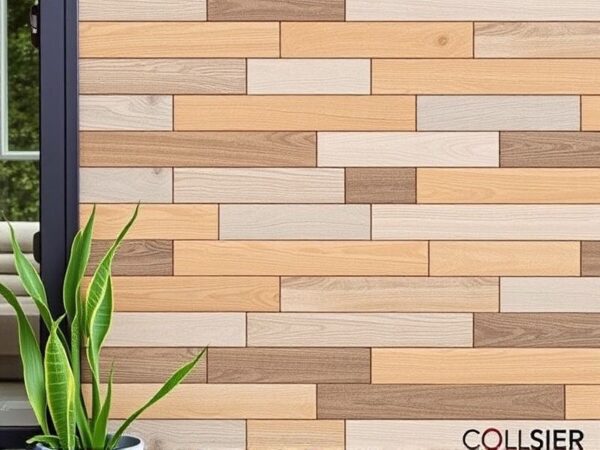
WPC Panel: Durable and Eco-Friendly Wall Cladding Solutions
When Building Materials Meet Sustainability
Let’s talk about that moment when you realize your house siding needs replacement – the warping wood, peeling paint, or those vinyl panels that just won’t stay put. What if there was a material that laughs in the face of rain, shrugs off UV rays, and actually helps the planet? Enter WPC panels, the rockstars of modern cladding solutions. These hybrid wonders combine wood’s warmth with plastic’s toughness, creating something truly special for your walls.
What’s Cooking in a WPC Panel?
Imagine mixing sawdust from furniture factories with those plastic milk jugs you’ve been recycling. That’s essentially the recipe for WPC (Wood-Plastic Composite) panels. Most brands use about 60% wood fibers and 40% recycled plastics – though some eco-warrior manufacturers push that recycled content even higher. The result? A material that feels surprisingly wood-like but behaves like your most durable plastic container.
Why Your Neighbor’s Jealous of WPC Walls
Ever noticed how traditional wood siding starts looking sad after a few years? WPC panels laugh at the elements. They handle intense sunlight without fading better than your favorite black t-shirt. I’ve seen installations where after 5 years, the color difference between sun-exposed and shaded areas was barely noticeable. Maintenance? A quick hose-down twice a year keeps them looking fresh – no sanding, staining, or repainting required.
| Feature | WPC Panels | Wood Siding | Vinyl Siding |
|---|---|---|---|
| Lifespan | 25+ years | 10-15 years | 20-30 years |
| Annual Maintenance | 0.5 hours | 8+ hours | 2 hours |
| Recycled Content | 40-90% | 0% | 5-15% |
From Beach Houses to Boardrooms
Remember that trendy café downtown with the gorgeous textured walls? Chances are they’re using WPC panels. I recently worked on a coastal home where the owners wanted that driftwood aesthetic without actual wood’s vulnerabilities. We used gray-toned WPC with a subtle wood grain pattern – three years later, salt spray hasn’t made a dent. Commercial spaces love them too – shopping malls using embossed patterns for feature walls that survive high traffic unscathed.
Installation: Easier Than IKEA Furniture?
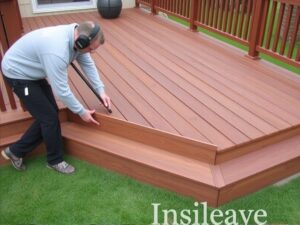
Okay maybe not that simple, but close. The tongue-and-groove system means even DIY enthusiasts can handle it. I helped my cousin install his garage cladding last summer – we didn’t need any special tools beyond a saw and level. Pro tip: leave a tiny gap between panels for thermal expansion. Unlike vinyl that can buckle in heat, WPC expands much less, keeping those lines crisp year-round.
Color Options That’ll Make You Indecisive
Choosing between 50+ shades isn’t just for paint anymore. Modern WPC panels come in everything from classic oak reproductions to bold contemporary hues. The texture game is strong too – options range from smooth matte finishes to deep wood grains you’ll want to touch. My favorite? A weathered teak pattern that fools even experienced carpenters at first glance.
The Green Credentials That Matter
Sure, “eco-friendly” gets thrown around a lot these days. But when a WPC panel carries FSC certification for responsible wood sourcing and Cradle to Cradle approval for recyclability, that’s the real deal. Many manufacturers will take back old panels for recycling – imagine your wall cladding getting reborn as park benches decades from now!
When WPC Might Not Be Your BFF
Let’s keep it real – no material’s perfect. In super high-temperature areas (we’re talking desert climates), dark-colored WPC can get warmer than traditional materials. And while it’s more fire-resistant than wood, it’s not magically fireproof. Always check local building codes – some areas have specific requirements for cladding materials near property lines.
Pro Tips From the Trenches
After installing hundreds of WPC projects, here’s what I wish every client knew:
- That “maintenance-free” claim? Mostly true, but clean bird droppings promptly – they can stain if left for months
- For balcony installations, specify anti-slip textures – some smooth finishes get slippery when wet
- Buy 10% extra material – the color match between batches isn’t always perfect
The Cost Conversation
Yes, WPC costs more upfront than vinyl – about 20-30% higher. But when you factor in never painting or replacing rotting boards? Over 15 years, many homeowners actually save money. It’s like buying quality boots – pay more now, but they’ll last decades longer than cheap alternatives.
Future-Proofing Your Space
As we wrap up, think about this: With climate uncertainty increasing, materials that handle weather extremes aren’t just nice-to-have – they’re essential. Whether you’re renovating a historic home or cladding a new office complex, WPC panels offer that sweet spot between beauty, durability, and environmental responsibility. Still on the fence? Grab some samples – the first time you tap a panel and hear that solid thunk instead of hollow vinyl sound, you’ll be sold.

Reviews
There are no reviews yet.