

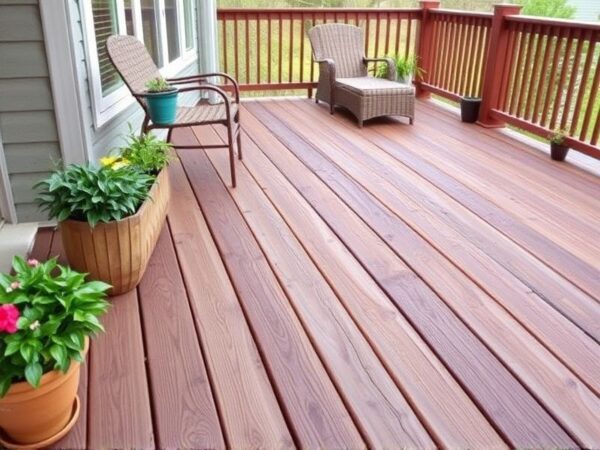
Understanding WPC Decking Warranty Claims: What Every Homeowner Should Know
When Your Deck Says “Oops” – What’s Actually Covered?
Let’s face it – warranties can be about as clear as mud. When that shiny new composite deck starts showing cracks or fading faster than your summer tan, you need to know where you stand. Most WPC warranties cover three big things: material defects that make boards warp or split, color fading beyond normal expectations, and structural failures that turn your deck into a trampoline.
Take the case of Sarah from Arizona – her deck developed mysterious bulges after 18 months. Turns out the manufacturer covered the replacement because the core material had production flaws. But here’s the kicker: they denied her neighbor’s similar claim because he’d used the wrong cleaning chemicals. Go figure!
The Paper Trail You Can’t Afford to Skip
Filing a claim isn’t rocket science, but you’ll want to have your ducks in a row. Keep these essentials handy:
- Your original sales receipt (yes, that crumpled paper in the junk drawer matters)
- Installation photos showing proper joist spacing
- A log of your cleaning routine (even if it’s just notes on your phone)
Pro tip: Snap timestamped photos of your deck every 6 months. When Jim from Florida tried claiming fading damage, his “before” photos from the installation day saved him $3K in replacement costs.
Why Claims Get Rejected (And How to Avoid It)
Here’s the uncomfortable truth – most denials come down to installation errors or maintenance slip-ups. We’ve seen claims denied for:
- Using non-approved fasteners (those cheap screws from the hardware store? Big mistake)
- Pressure washing too aggressively (it’s not a driveway, folks!)
- Ignoring seasonal expansion gaps (wood moves more than you’d think)
Remember that couple who built their deck right against the house without expansion space? When the boards buckled in summer heat, the manufacturer said “told ya so” right in the warranty fine print.
Brand Showdown – Who Stands Behind Their Product?
| Brand | Fade Warranty | Structural Coverage | Fine Print Alert |
|---|---|---|---|
| DeckMaster Pro | 15 years | 30 years | Requires annual professional inspection |
| EverLast Composites | 25 years | Lifetime | Void if cleaned with vinegar solutions |
| NatureCoat | 10 years | 25 years | Mandatory UV protectant reapplication |
Notice how the longest warranties often come with the most strings attached? That “lifetime” coverage might sound great until you realize it requires $200/year in maintenance products.
Real Talk – Keeping Your Warranty Valid
Here’s what manufacturers won’t tell you at the home improvement store:
- Those cute planter boxes? Could void drainage requirements if placed wrong
- DIY staining attempts? Might break the color protection terms
- Grill placement? Check the heat tolerance specs first
A buddy of mine learned the hard way – his smoker grill permanently discolored the decking. Turns out the warranty only covered heat damage above 160°F, and his grill ran at 155°. Talk about bad luck!
When Things Go South – Navigating the Claims Process
So your deck’s acting up – what now? Here’s the playbook:
- Document everything (yes, even that weird stain from the pizza party)
- Contact the installer first – many issues stem from installation errors
- Reach out to the manufacturer with clear photos and dates
Most companies will send an inspector – be ready for some tough questions. When Karen in Oregon noticed premature fading, the inspector actually brought a colorimeter to measure exact hue changes. Now that’s thorough!
FAQs Homeowners Actually Care About
Q: How long do claims usually take?
A: Typically 4-8 weeks – but it can stretch to 12 weeks during peak season. Pro tip: Start the process in winter when companies are less busy.
Q: What if they deny my valid claim?
A: First request a secondary inspection. If that fails, check if your homeowner’s insurance covers defective materials. Some states even have contractor recovery funds.
Q: Can I transfer the warranty if I sell my house?
A: About half of manufacturers allow transfers for a small fee ($50-100). But you’ll need to provide the new owner with all maintenance records – no fudging dates!
The Bottom Line – Protect Your Investment
At the end of the day, WPC warranties are like insurance policies – you hope to never use them, but you’ll sleep better knowing they’re there. Stick with reputable brands, follow maintenance guidelines to the letter, and remember: that little instruction booklet isn’t just filler for the box.
Got warranty war stories or tips? Share them in the comments below – let’s help each other avoid those “I wish I’d known” moments!


Reviews
There are no reviews yet.