

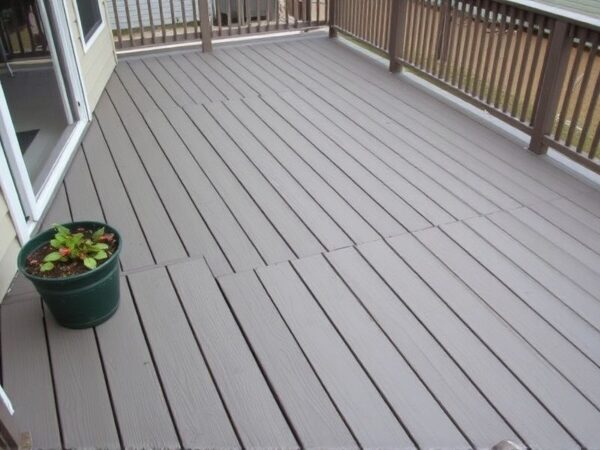
Deck Composite Paint: Your Secret Weapon for Outdoor Beauty That Lasts
Let me tell you about my neighbor’s deck disaster. Last summer, Sarah spent $3,000 replacing her weather-beaten wooden deck, only to watch it turn gray and splintery within 18 months. That’s when I introduced her to deck composite paint – and let’s just say her patio parties have been going strong ever since. If you’re tired of constantly battling Mother Nature’s wear-and-tear on your outdoor spaces, you’re about to discover why this stuff is changing the game.
Why Your Deck Deserves Composite Paint
Think of deck composite paint like a superhero cape for your outdoor surfaces. Unlike regular paint that just sits on top, this stuff bonds with the material to create what I call “armor coating.” We’re talking about:
- Serious staying power: While traditional deck stains might give you 2-3 good years, composite formulations can easily go 5-7 years between touch-ups
- Weather warrior status: The UV-resistant formula in most composite paints prevents that awful fading we all dread
- Moisture magic: Ever seen paint bubble up after rain? Composite paint’s moisture-wicking technology helps prevent that
Take the case of Oceanside Bistro in Maine. Their seaside deck was getting recoated annually until they switched to composite paint. Three Nor’easters later? Still looking like they just opened last week.
Getting It Right: Prep Work That Pays Off
Okay, real talk – the secret to making deck composite paint work its magic is all in the prep. Skip these steps and you might as well be throwing money into the wind:
- The Clean Sweep: Power wash with a mild detergent (none of that harsh chemical stuff)
- Repair Time: Fill those cracks and sand rough spots – your bare feet will thank you later
- Dry Out: Wait at least 48 hours after washing. I know it’s tempting to rush, but patience pays!
Pro tip: If you’re dealing with old paint, you might need to strip it completely. Composite paint plays nice with most surfaces, but it hates clinging to flaky predecessors.
Brush vs. Roller: The Great Application Debate
Here’s where I see most DIYers trip up. The application method can make or break your deck composite paint project:
| Method | Best For | Watch Out For |
|---|---|---|
| Brush | Detailed work around railings | Can leave streak marks if overworked |
| Roller | Large flat surfaces | Might miss grooves in deck boards |
My go-to move? Use a roller for the main areas and keep a angled brush handy for those pesky corners. And whatever you do, work in sections – this stuff dries faster than regular paint!
Keeping That Fresh-Painted Look
Here’s the beautiful part about deck composite paint – maintenance is a breeze compared to traditional options. A client of mine in Arizona swears by her “5-minute monthly check”:
- Quick sweep to remove debris
- Immediate wipe-down of spills
- Visual check for any wear spots
For most decks, a gentle wash with mild soap and water twice a year does the trick. And if Fido decides to redecorate with his paws? The stain-resistant formulas most composites use make cleanup a snap.
Real People, Real Results
Don’t just take my word for it. The Mountain View Campground switched to deck composite paint for their 12,000 sq ft of walkways and reported:
- 60% reduction in annual maintenance costs
- No slip-related incidents during rainy season
- Guests complimenting the “like-new” appearance year-round
Or take homeowner Mark T. from Colorado: “After the hailstorm of 2022 took out half my roof, I was shocked my deck paint didn’t have a single chip. This stuff’s tougher than my mother-in-law’s meatloaf!”
Your Top Questions Answered
Q: Can I use this over existing paint?
A: Maybe – but only if the existing coat is in good shape. Peeling paint? Strip it first or you’re asking for trouble.
Q: How cold is too cold to apply?
A: Most formulas need at least 50°F (10°C) to cure properly. Trying to paint in colder temps? You’ll get that “cracked desert floor” look – not the vibe you want.
Q: Is it really worth the extra cost?
A: Let’s do quick math: Regular paint at $30/gallon needing recoats every 2 years vs. composite at $50/gallon lasting 5+ years. You do the savings!
Pro Tip From the Trenches
Always buy 10-15% more than you think you need. Those “just enough” calculations leave you scrambling when you hit that last board. Trust me – been there, spilled paint on new shoes doing that.
When Composite Paint Shines Brightest
While deck composite paint works great on most surfaces, it’s absolute magic in these scenarios:
- High-traffic areas: That path from pool to kitchen? Bring on the wet feet!
- Coastal properties: Salt air met its match
- Four-season climates: From summer BBQs to winter snow piles – no sweat
Just last month, I visited a lakeside cabin that used color-changing composite paint. Morning frost makes the deck shimmer blue, afternoon sun brings out bronze tones – it’s like having a mood ring for your patio!
The Bottom Line
At the end of the day, deck composite paint isn’t just another home improvement product – it’s peace of mind. No more worrying about surprise rain during your cookout or cringing at winter damage. Whether you’re protecting your family’s favorite hangout spot or maintaining a commercial property, this is one upgrade that pays for itself in both looks and longevity.
Still on the fence? Grab a sample pot and test it on that hidden corner of your deck. I’ll bet my favorite paintbrush you’ll be converting the whole surface within a week!


Reviews
There are no reviews yet.