

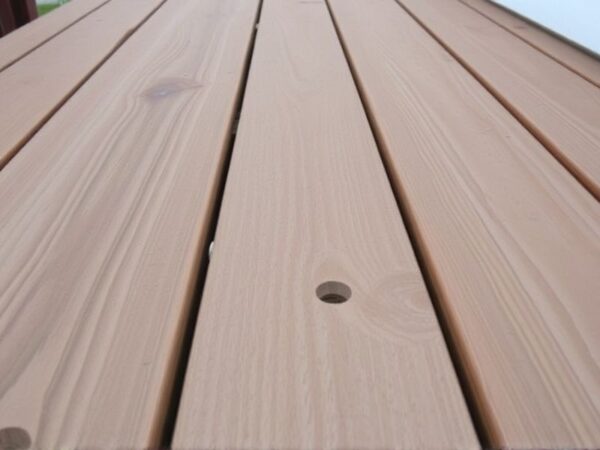
Why Do Composite Decking Have Holes in the Middle? The Smart Design You Never Noticed
The Secret Behind Those Mysterious Holes
Let’s be honest – when you first saw composite decking with those hollow centers, you probably thought it looked a bit… odd. I mean, why would anyone design flooring with built-in tunnels? Is it just to save material costs? (Spoiler alert: There’s way more to it than that!) Those hollow channels actually solve multiple problems that solid boards can’t handle. Let’s dig into why this clever design has become the gold standard for modern outdoor living spaces.
More Than Just Weight Savings
Imagine trying to lift a 16-foot solid wood plank versus its composite cousin. The hollow core design reduces weight by about 30% compared to traditional materials. But it’s not just about making installation easier – this weight reduction means less stress on support structures over time. I recently helped a friend build a rooftop deck, and those lightweight composite boards made all the difference in meeting weight restrictions.
Nature’s Little Helpers: Airflow & Drainage
Here’s where it gets interesting. Those channels act like miniature highways for air and water. In humid climates, this airflow prevents the moisture buildup that leads to warping and mold. During heavy rains, water zips through the channels instead of pooling on top. A neighbor learned this the hard way – their solid deck developed soft spots after just two seasons, while my composite deck stayed bone-dry through monsoon season.
Installation Made Surprisingly Simple
Ever tried drilling through solid tropical hardwood? The hollow cores in composite decking make hidden fastener systems a breeze. You can practically hear contractors cheering when they don’t have to fight with splitting boards. Plus, the channels create natural alignment guides – no more crooked board mishaps like my first DIY deck attempt back in 2015 (we don’t talk about that).
Long-Term Benefits You’ll Actually Notice
Three years into owning my composite deck, here’s what surprised me most: Zero cupping. No seasonal gaps. No splinter emergencies before backyard BBQs. The hollow core design allows for natural expansion/contraction without visible warping. Maintenance? A quick spray-down does the trick – no annual sealing required. Compare that to my brother’s traditional wood deck that needs TLC every spring.
Real-World Showdown: Composite vs. Solid Decking
Let’s break it down with a quick comparison:
| Feature | Hollow Composite | Solid Wood |
|---|---|---|
| Weight per sq.ft | ~2.5 lbs | ~4 lbs |
| Moisture Resistance | Excellent | Variable |
| Lifespan | 25+ years | 10-15 years |
| Maintenance Frequency | Every 5 years | Annual |
Where Hollow Core Really Shines
From beach houses to mountain cabins, here’s where I’ve seen this design excel:
– Pool decks that stay cool underfoot
– Elevated walkways in rainy regions
– Rooftop patios where weight matters
– Boardwalks through marshy areas
Just last month, a local brewery chose hollow core composite for their new outdoor seating – turns out beer spills wipe right off!
Pro Tips From a Deck Veteran
After installing dozens of these decks, here’s my cheat sheet:
1. Always leave expansion gaps – the material needs breathing room
2. Use corrosion-resistant fasteners (trust me on this one)
3. For curved designs, the hollow core allows gentle bending
4. Pressure wash at 30° angle to avoid forcing water into joints
5. Choose darker colors if leaf stains worry you
The Future of Decking Is Full of Holes
As manufacturers keep innovating, we’re seeing smart variations like tapered channels for better drainage and reinforced ribs within the hollow spaces. What started as a practical solution has become a engineering masterpiece. Next time you walk on a composite deck, take a closer look – those “holes” are quietly working overtime to protect your investment. Who knew empty space could be so valuable?
Your Questions Answered
Q: Don’t the holes weaken the boards?
A: Surprisingly, the engineered structure often makes them stronger than solid wood in bending tests.
Q: Can pests nest inside the channels?
A: The smooth interior and lack of organic material makes them unappealing to most critters.
Q: Are they colder than solid decks in winter?
A: The insulation properties are similar, but you can add thermal pads under furniture.
Still wondering if hollow core composite decking is right for your project? Drop your questions below – I’ll help you weigh the pros and cons based on your specific needs. And if you’ve already taken the plunge, share your experience! Did those clever little channels live up to the hype?



Reviews
There are no reviews yet.