

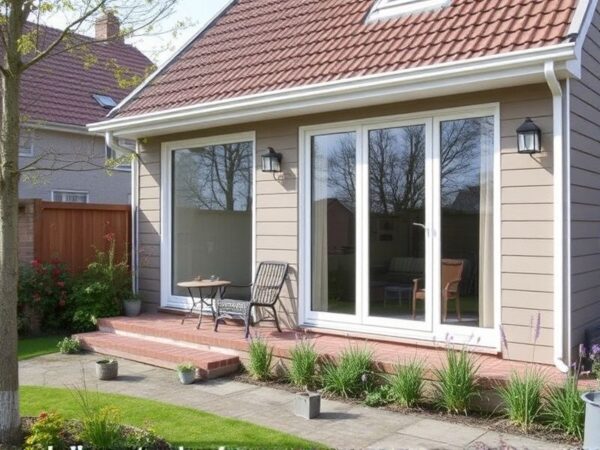
WPC Dielen Entsorgen: What You Need to Know About Eco-Friendly Disposal
So you’ve got some old WPC decking lying around, huh? Maybe your backyard renovation left you with a pile of composite planks, or perhaps that trendy rooftop terrace needs an update. Whatever the case, figuring out how to dispose of WPC dielen responsibly isn’t just about decluttering – it’s about making choices that actually matter for our planet. Let’s break down why proper WPC dielen entsorgen practices deserve your attention, and how you can handle it without turning into an environmental villain.
Why Bother With Proper WPC Disposal?
Here’s the thing about wood-plastic composite materials – they’re kinda like that friend who’s great at parties but terrible at cleaning up afterward. While WPC lasts longer than traditional wood (we’re talking 15-25 years vs. 5-10 for regular timber), that durability becomes a problem when it’s time to say goodbye. About 60% of discarded WPC still ends up in landfills where it’ll sit for centuries, slowly releasing microplastics. Not exactly the legacy we want to leave, right?
I recently helped a neighbor deal with his 20-year-old composite deck. We found three separate recycling programs within 50km of Munich – proof that options exist if you know where to look. But first, let’s understand what we’re dealing with…
What Makes WPC Dielen Tick?
Before we dive into disposal methods, let’s get real about what’s actually in these planks. Typical WPC contains:
- 40-70% wood fibers (usually recycled sawdust)
- 30-60% plastics (HDPE or PVC common)
- Additives like UV stabilizers
Here’s how it stacks up against traditional materials:
| Material | Lifespan | Recyclability | Landfill Impact |
|---|---|---|---|
| WPC | 15-25 years | Specialized | High |
| Natural Wood | 5-10 years | Easy | Low |
| Plastic | 20+ years | Possible | Very High |
When Recycling Becomes a Reality
Good news alert! Major manufacturers are finally stepping up. Companies like Trex and Fiberon now take back old WPC dielen through partner programs. In Germany alone, there’s been a 40% increase in WPC recycling points since 2020. Pro tip: Check with your local Bauhof – many now have dedicated composite material sections.
But what if official channels aren’t an option? That’s where creativity kicks in…
DIY Magic With Old Decking
Remember that viral TikTok where someone turned WPC planks into vertical herb gardens? Turns out composite material’s weather resistance makes it perfect for outdoor projects. Here are some crowd-pleasers:
- Garden edging that outlasts metal alternatives
- Durable chicken coop flooring
- Modern planters that won’t rot
- Custom outdoor furniture (think: benches with built-in storage)
Local maker spaces often host workshops for these types of projects. Bonus: You get bragging rights for your eco-chic creation!
Navigating the Legal Stuff
Here’s where things get… interesting. EU regulations treat WPC as neither pure wood nor plastic, creating a weird legal limbo. In Bavaria, you might pay €25-50 per cubic meter for professional WPC dielen entsorgen, while Berlin recently introduced free drop-off days. Always check your municipality’s latest guidelines – I’ve seen folks get fined for mixing WPC with regular construction waste.
A client in Hamburg learned this the hard way last spring. They tossed old composite decking with wood scraps and got hit with a €150 fine. Ouch. Save yourself the headache – a quick call to your local Umweltamt could prevent similar drama.
Your Action Plan
Ready to tackle that WPC disposal like a pro? Here’s your cheat sheet:
- Measure first: Calculate how much material you have
- Check manufacturer programs: Many offer take-back services
- Explore local options: Recycling centers > landfills
- Get creative: Upcycle at least part of your stock
- Document everything: Keep disposal receipts for 2 years
Remember that community center project in Cologne last fall? They diverted 3 tons of WPC from landfills by combining manufacturer take-back with DIY workshops. If they can do it, so can you!
The Bigger Picture
While individual actions matter, real change needs system solutions. The WPC industry is moving toward better recyclability – newer composites can contain up to 95% recycled content. But until then, our disposal choices directly impact whether that coffee table becomes a future problem or part of the solution.
Next time you see a weathered composite deck, don’t just see trash. See potential garden borders, unique wall art, or material for your next DIY adventure. With some effort and creativity, WPC dielen entsorgen doesn’t have to be an environmental burden – it can be the start of something new.


Reviews
There are no reviews yet.