

What Is a Composite Decking Board? Your Go-To Guide for Modern Outdoor Living
So, What Exactly Is This “Composite Decking” Everyone’s Talking About?
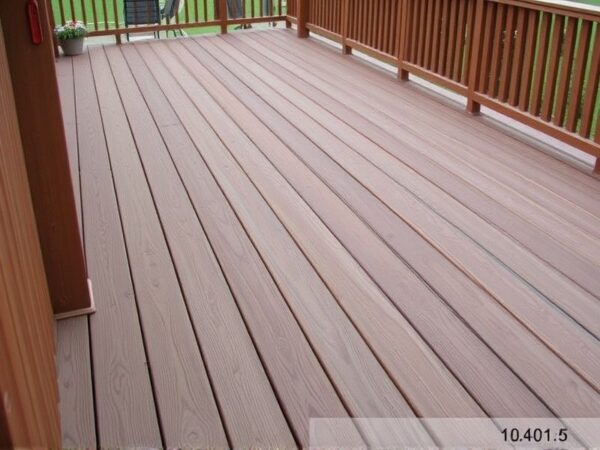
Picture this: You’re sipping lemonade on a gorgeous deck that looks like rich mahogany but never needs sanding or staining. That’s the magic of composite decking boards! These modern marvels blend wood fibers (usually from reclaimed sawdust) with recycled plastics – think grocery bags and milk jugs getting a second life. The result? A weather-resistant, splinter-free surface that’s kind to both your weekends and the planet.
Why Your Backyard Deserves This Upgrade
Remember how your neighbor’s wood deck started warping after that rainy season? Composite boards laugh in the face of moisture. We’re talking about materials that don’t rot, crack, or attract termites. While traditional wood might need replacing in 10-15 years, most composites stick around for 25+ years – some even come with lifetime warranties!
The Secret Sauce: What’s Really in These Boards?
Let’s break it down. The typical recipe includes:
- About 60-70% wood fibers (nature’s confetti from lumber mills)
- 30-40% recycled plastics (your old detergent bottles reborn)
- A dash of bonding agents and UV protectants
This combo creates something tougher than wood but warmer-looking than plain plastic. It’s like the superhero team-up of building materials!
Maintenance? More Like “Maintain-Not”
Here’s where composites really shine. No more annual power-washing marathons or staining disasters. A quick soap-and-water scrub keeps them looking fresh. I helped install a composite deck for a busy family five years back – they’ve literally never done more than sweep off leaves. Meanwhile, their old wood deck needed TLC every single spring.
Weather Warrior Features You’ll Love
Whether you’re in scorching Texas heat or rainy Seattle weather, these boards have your back:
- UV protection that prevents fading (no more “two-tone” deck syndrome)
- Mold/mildew resistance (goodbye, slippery green patches)
- Thermal resistance that stays cooler underfoot than PVC alternatives
Pro tip: Look for capped composite boards – they’ve got an extra protective layer that’s perfect for harsh climates.
Eco-Friendly Credentials That Matter
Choosing composite isn’t just about convenience. Those recycled plastics mean hundreds of bags diverted from landfills. Plus, you’re saving trees – one average deck uses lumber from 15-20 mature trees! Many manufacturers now use solar power in production too. It’s like giving Mother Nature a high-five every time you host a BBQ.
Design Ideas That’ll Make the Joneses Jealous
Gone are the days of “plastic deck” stereotypes. Today’s options include:
- Rich espresso tones with realistic wood grain
- Weathered grey finishes for that Cape Cod charm
- Mixed-width patterns creating visual interest
Saw a stunning herringbone pattern deck on a recent project – turns out it was all composite! The homeowner mixed two colors for a custom look without the custom price tag.
Smart Shopping: What to Look For
Not all composites are created equal. Keep these in mind:
- Fade warranties (10+ years is standard for quality brands)
- Hidden fastener systems for that smooth, trip-free surface
- Texture options – some mimic wood grain better than others
Budget-wise, expect to pay about 20-30% more upfront than pressure-treated wood. But when you factor in decades of maintenance savings? It’s a no-brainer for most homeowners.
Real Talk: When Might Wood Be Better?
Let’s be fair – composites aren’t perfect for every scenario. If you:
- Love the feel of real wood under bare feet
- Want to stain your deck funky colors yearly
- Need to install on a super tight budget right now
…traditional wood might make sense. But for 90% of homeowners, composites offer the best blend of beauty and practicality.
Installation Insights From the Pros
Thinking DIY? These boards are heavier than wood but easier to work with in some ways. Key tips:
- Leave proper expansion gaps – composites do expand/contract slightly
- Use specialized composite screws to prevent “mushrooming”
- Plan your layout to minimize cutting (those sawdust-plastic blends can be messy)
Most homeowners find the installation process similar to wood decking, just with a few material-specific tricks.
The Future Under Your Feet
As technology improves, we’re seeing exciting innovations:
- Cool-to-the-touch formulations for hot climates
- Integrated lighting channels
- Even more realistic wood replication
One client recently installed boards with a built-in non-slip surface that’s invisible to the eye – perfect for their pool area.
Your Next Steps
Ready to dive in? Start by:
- Measuring your space (pro tip: add 10% for waste)
- Requesting color samples – colors look different in sunlight vs showroom lighting
- Checking local building codes (some areas have specific requirements)
Remember, this is an investment that’ll outlast your patio furniture – maybe even your mortgage!
Final Thoughts: Why This Matters
In our busy lives, who has time for constant deck maintenance? Composite boards let you actually enjoy your outdoor space rather than just maintaining it. Whether you’re creating a cozy firepit area or an entertainment-ready expanse, this material gives you the freedom to focus on making memories instead of repair lists. So – ready to step into the future of outdoor living?


Reviews
There are no reviews yet.