

Why Cedar Composite Decking is Outshining Traditional Decking Options
Let’s be real – maintaining a wood deck can feel like a part-time job. Remember that time your neighbor Bob spent his entire summer sanding and sealing his cedar deck? With cedar composite decking, you get all the charm without the backache. I’ve watched this material evolve from “plastic-looking imposters” to near-indistinguishable wood replicas, and frankly, it’s becoming hard to justify traditional decking anymore.
The Cedar Look Without the Headaches
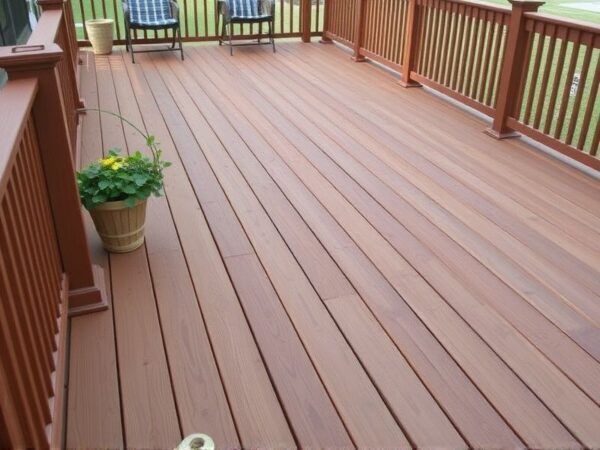
What if I told you could have decking that mimics real cedar’s warm grains and knots so convincingly even a carpenter might do a double-take? Modern cedar composite decking uses textured embossing technology – imagine a 3D photograph of actual cedar boards. I recently helped install a deck where the homeowners kept running their hands over the surface, amazed it wasn’t real wood.
The magic sauce? A blend of recycled wood fibers and polymers. Most manufacturers use about 60% reclaimed cedar mill waste mixed with recycled plastics. This combo gives you that authentic cedar appearance while solving wood’s biggest flaws. No more splinters ruining barefoot mornings with coffee, right?
Sun, Rain, and the Great Outdoors
UV resistance is where these boards truly shine. Traditional cedar starts graying within months unless you constantly stain it. Composite cedar decks? They’re like that friend who never gets sunburned. The color goes all the way through the board, so scratches from moving patio furniture don’t leave glaring white marks.
Moisture protection is another game-changer. Ever seen wood decking warp around a pool? Composite cedar boards have a moisture absorption rate below 1% – about 10 times better than natural wood. I’ve seen these hold up beautifully in rainy Seattle climates where traditional decks would be growing mushrooms by year two.
Maintenance: The Real Cost Saver
Let’s break down the hidden costs of “cheap” decking materials:
| Material | Annual Maintenance Time | 10-Year Cost |
|---|---|---|
| Natural Cedar | 15-20 hours | $2,500+ |
| Basic Composite | 5-8 hours | $800+ |
| Cedar Composite | 2-3 hours | $300 |
The numbers don’t lie. With cedar composite decking, you’re basically trading occasional soap-and-water scrubbing for weekends free of deck maintenance. Pro tip: Use a leaf blower weekly and you’ll rarely need deeper cleaning.
DIY-Friendly But Not Foolproof
Installing cedar composite decking isn’t rocket science, but there are some gotchas. First – spacing matters more than with wood. These boards expand and contract differently, so leave about 1/8″ between boards (a nail head’s width works). I once helped fix a “wave” deck where someone butted the boards tight in cool morning temperatures.
Tool-wise, you’ll need:
– A good carbide-tipped blade (regular saw blades dull fast)
– Hidden fasteners for that clean look
– A rubber mallet for snugging boards
Don’t make the common mistake of using wood screws – they can cause buckling. Stick with manufacturer-recommended fasteners, even if they cost a bit more upfront.
Eco-Friendly or Greenwashing?
Here’s where things get interesting. While no plastic-containing product is perfect, cedar composite decking diverts tons of plastic bags and sawdust from landfills annually. One manufacturer told me they recycle enough plastic each year to wrap around the equator twice – though I haven’t verified that with a calculator!
Compared to tropical hardwoods often used for decking, the sustainability argument gets stronger. You’re not contributing to rainforest deforestation, and the 25+ year lifespan means less frequent replacements. Just be sure to check if the manufacturer uses FSC-certified wood fibers.
Design Tricks That Elevate Your Deck
Want to make your cedar composite deck pop? Try these pro designer moves:
1. Mix board widths – use 6″ and 12″ plants in alternating patterns
2. Add perimeter lighting between joists
3. Use black aluminum balusters for modern contrast
4. Create “rugs” with diagonal patterns under seating areas
I recently saw a deck that used alternating board directions to create a checkerboard effect – looked amazing and hid minor wear patterns. For railings, glass panels can make smaller decks feel airy, while horizontal cable rails complement the cedar aesthetic beautifully.
Is the Price Tag Worth It?
Let’s talk turkey. Cedar composite decking costs about 20-30% more than basic composites upfront. But factor in:
– No annual staining/sealing costs
– 3x longer lifespan than natural cedar
– Potential home value increase
A client in Arizona calculated they broke even after 7 years compared to maintaining a wood deck. Not bad for something that looks great the whole time! Budget tip: Use cedar composite for visible surfaces and standard composite for hidden structural areas.
When It Makes Sense (And When It Doesn’t)
Cedar composite decking shines for:
– Pool surrounds (no slippery mold!)
– Roof decks (lightweight yet durable)
– Busy families (spills wipe right up)
Might want to think twice if:
– You love changing stain colors yearly
– You’re on an ultra-tight budget
– You need a temporary structure (<5 years)
Last month, a customer insisted on real cedar for their “rustic cabin feel” vacation home. Two bear encounters later (apparently they liked scratching the wood), they’re switching to composite. True story!
The Final Verdict
After installing dozens of these decks, here’s my take: If you want 90% of cedar’s beauty with 10% of the work, cedar composite decking is a no-brainer. The technology has matured beyond the plasticky boards of the 2000s. Just be sure to get samples from multiple manufacturers – the color variations can surprise you.
One last pro tip: Buy 10% extra material for future repairs. Even though these boards last decades, you’ll want matching batches if you ever expand the deck. Now go enjoy that mint julep on your maintenance-free porch!


Reviews
There are no reviews yet.