

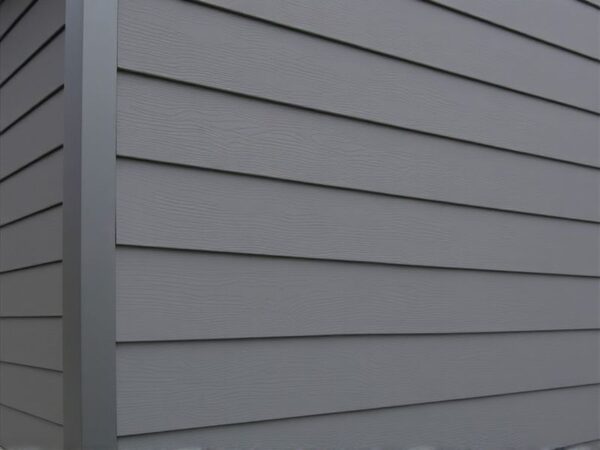
Your No-BS Composite Cladding Installation Guide That Actually Makes Sense
Let’s Talk About What’s Underneath First
You know what separates a pro job from a DIY disaster? It’s all in the prep work. Different surfaces need different TLC before those composite panels go up. On wooden substrates, I’ve seen guys skip checking for rot – big mistake. A quick moisture meter reading could save you from replacing the whole wall in two years. Concrete surfaces? Don’t even think about installing until you’ve filled those cracks and made sure there’s proper drainage. Metal frames can be tricky too – that galvanized coating needs proper scoring for adhesion. Pro tip: Keep a substrate checklist in your tool belt. It’s saved me from callbacks more times than I can count.
The Expansion Gap Dance (It’s More Important Than You Think)
Here’s where most weekend warriors mess up. That tiny gap between panels isn’t just for looks – it’s your insurance against Mother Nature’s mood swings. In Phoenix? You’ll want about 1/8″ gap for every 10 feet of material. Chicago winters? Maybe 3/16″. I keep a simple chart taped to my saw:
| Temp Swing | Gap per 10ft |
|---|---|
| Mild (50°F) | 1/16″ |
| Moderate (70°F) | 1/8″ |
| Extreme (100°F+) | 3/16″ |
Fastener Face-Off: Hidden vs Visible
Let’s settle this once and for all. Hidden clips give that sleek look everyone’s after, but they’re like high-maintenance partners – need perfect alignment and special tools. Visible screws? They’re the reliable pickup truck of fasteners. Quick to install, easy to replace, but you’ll see those heads. For coastal areas, I always recommend stainless steel clips – salt air eats regular hardware for breakfast.
Cutting Without the Warp – Yes, It’s Possible
Ever seen a $5,000 cladding job go wavy? I have. The secret’s in the blade and the support. Use a fine-tooth carbide blade (80+ teeth) and always support both ends when cutting. That portable miter saw from Harbor Freight? It’ll work, but take multiple light passes. Oh, and don’t forget to let the blade do the work – forcing it heats up the material and… well, let’s just say warped panels aren’t covered under warranty.
Weatherproofing: Where Good Installations Become Great
Here’s the truth nobody tells you: Even the best cladding leaks if the membrane’s wrong. I’m partial to self-adhering membranes for vertical surfaces – they conform better to irregularities. Overlap requirements? Think shingles. Start from the bottom and work up, with at least 2″ overlaps. Saw a job last month where they used housewrap instead of proper flashing – let’s just say the homeowner now has an unwanted indoor water feature.
Tools of the Trade (And How Not to Lose Fingers)
Power tools make the job faster, but let’s talk safety. That circular saw isn’t a toy – always use clamps, not your knee, to secure materials. Hearing protection? Non-negotiable. And for the love of all that’s holy, check your ladder’s weight rating before hauling up 20-foot composite planks. Personal story time: I once saw a guy try to “quick adjust” his miter saw mid-cut. Let’s just say his nickname is now “Nine Fingers Joe”.
When in Doubt, Follow the Paper Trail
Manufacturer specs matter more than your buddy’s YouTube tutorial. Keep these three docs on site:
– Thermal expansion charts
– Fastener spacing diagrams
– Local building code printouts
Last month, a contractor friend failed inspection because his fastener spacing was 1/2″ off spec. Turns out the manufacturer updated their guidelines last year. Moral of the story? That PDF in your email isn’t just decoration.
Real World Scenarios That’ll Save Your Bacon
Let’s paint some pictures:
– Hot climate installation: Use wider gaps and light-colored fasteners to minimize heat absorption
– Coastal projects: Double up on stainless hardware and consider drainage channels
– Retrofit jobs: Always check existing structure integrity before adding composite weight
Remember that time in Tampa? 95°F day, client insisted on butt-joint tight installation. Six months later, the buckling looked like a rollercoaster track. We had to redo the whole south-facing wall with proper gaps. Lesson learned – sometimes you need to educate before you install.
The Bottom Line
Composite cladding’s not rocket science, but it’s not Legos either. Take the time to prep right, mind the gaps, and don’t cheap out on weatherproofing. Whether you’re a homeowner tackling your first reno or a pro looking for a refresher, this stuff matters. After all, nobody wants their dream exterior turning into a Pinterest fail.


Reviews
There are no reviews yet.