

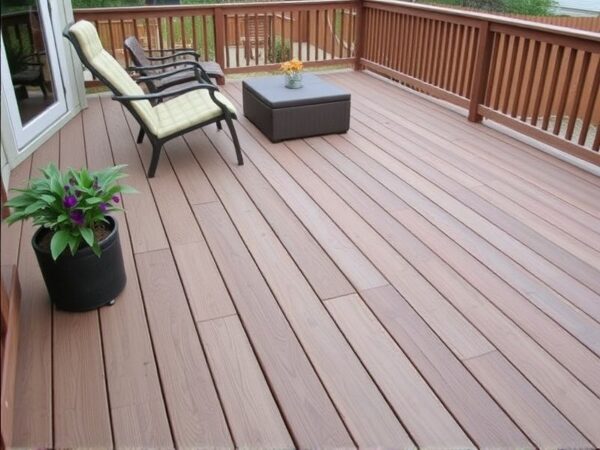
Composite Decking: Exploring the Pros and Cons for Your Outdoor Space
Why Everyone’s Talking About Composite Decks These Days
Picture this: You’re sipping lemonade on your deck when suddenly a splinter ruins the moment. That’s where composite decking swoops in like a superhero. Made from wood fibers and recycled plastics, these boards promise no splinters, minimal upkeep, and colors that stay vibrant. But before you jump on the bandwagon, let’s peel back the layers – because like any home improvement choice, there’s more to the story.
The Good Stuff: Where Composite Really Shines
Let’s start with the wins. My neighbor Sarah installed composite decking three years ago and hasn’t touched a paintbrush since. That’s the magic of composite – it laughs in the face of regular maintenance. No annual sealing, no sanding splinters, just occasional soapy water cleanup. Perfect for busy families or anyone who’d rather spend weekends barbecuing than maintaining.
Durability’s another big win. These boards don’t warp like traditional wood when exposed to rain or humidity. Coastal homeowners especially love this feature. I’ve seen decks in Florida hurricane zones that still look pristine after five years. Plus, most manufacturers offer 20-25 year warranties – try getting that with regular lumber!
Okay, Let’s Talk About the Not-So-Great Parts
Now for reality check time. That initial price tag can make your eyes water – expect to pay about 30% more upfront than pressure-treated wood. But here’s the kicker: when you factor in long-term maintenance costs, the numbers start looking better over 10+ years.
Here’s something they don’t tell you in the showroom – composite decks get HOT. During a summer cookout in Arizona, I literally saw grill marks where someone dropped a burger patty. Darker colors can reach temperatures that’ll make you do the “hot pavement dance.” Not ideal for barefoot-friendly zones.
How It Stacks Up Against Old-School Options
| Feature | Composite | Pressure-Treated Wood | PVC |
|---|---|---|---|
| Upfront Cost | $$$ | $ | $$$$ |
| Lifespan | 25+ years | 10-15 years | 15-20 years |
| Heat Retention | High | Moderate | Low |
See how composite hits that sweet spot between durability and cost? PVC might last nearly as long but costs an arm and a leg. Traditional wood? Budget-friendly initially but becomes a money pit with all that maintenance.
Real Life Situations: Where Composite Makes Sense
Take the Johnson family in Seattle – they chose composite because their rainy climate would’ve turned a wood deck into a moss farm within two years. For them, the mold resistance was worth every penny. But my cousin in Phoenix? He went with light-colored PVC because composite’s heat retention made afternoon pool parties unbearable.
Coastal homes are composite’s playground. Salt air that eats through regular wood? No problem. But if you’re in fire country, check local codes – some composite materials don’t meet strict fire ratings required in wildfire-prone areas.
Environmental Impact: The Surprising Truth
Here’s where it gets interesting. While composite uses recycled materials (think milk jugs and sawdust), recycling the deck itself is tricky. Most ends up in landfills. Wood decks can be repurposed or decompose naturally, but they come from trees. PVC? Not exactly eco-friendly either. It’s a classic “pick your poison” scenario.
Fun fact: Some manufacturers now offer take-back programs. Ask about these – they might sway your decision if sustainability’s a priority.
Pro Tips Before You Take the Plunge
If I had to give three pieces of advice:
- Go lighter colors unless you want a built-in foot grill
- Install proper airflow underneath to prevent moisture buildup
- Budget 10-15% extra for custom cuts and hidden fasteners
Oh, and that “no maintenance” claim? It’s mostly true, but don’t ignore spills – red wine stains can become permanent if left overnight. Ask me how I know…
The Bottom Line: Is Composite Right for You?
At the end of the day, composite decking pros and cons balance out differently for everyone. Love low maintenance and live in a humid climate? Probably worth it. On a tight budget or in extreme heat? Maybe reconsider. Either way, do your homework – and maybe test a sample board in your yard before committing. Your future self (and feet) will thank you!


Reviews
There are no reviews yet.