

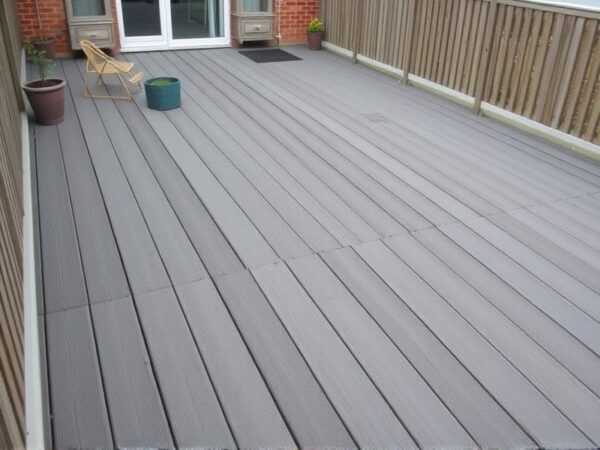
Why Grey Composite Decking is Stealing the Spotlight
Let’s talk about that gorgeous grey deck you’ve been picturing for your backyard. You know, the one that looks sleek with your modern patio furniture but still feels warm enough for Sunday barbecues? Turns out, composite decking in grey isn’t just a pretty face – it’s outsmarting traditional wood decks in ways that might surprise you. I’ve seen enough weathered wood planks and splintered surfaces to know why homeowners are making the switch.
The Grey Advantage You Can’t Ignore
Remember how your neighbor’s wood deck turned that weird greenish-grey after a few seasons? With composite materials, that accidental patina becomes intentional style. Modern grey composites maintain their sophisticated tone year after year, whether you’re dealing with harsh sunlight or constant pool splashes. The magic’s in the manufacturing – those recycled wood fibers and plastic binders get color-treated through the entire board, not just painted on the surface.
What’s Really in These Boards?
Let’s break it down simply: imagine taking recycled milk jugs and sawmill leftovers, then baking them together at high heat. The result? A deck board that laughs at termites and shrugs off moisture. Unlike regular wood that acts like a sponge during rainstorms, these composite planks stay dimensionally stable. No more worrying about warped boards creating trip hazards around the pool!
Your Personal Color Consultant
Grey doesn’t mean boring. Today’s options range from deep charcoal that mimics weathered teak to soft ash tones that brighten up shady corners. Pro tip: grab samples from different manufacturers. I recently helped a client choose a slate grey with subtle wood grain that perfectly matched their bluestone patio. The color variations help hide everyday dirt too – a lifesaver if you’ve got kids or pets!
| Shade | Best For | Maintenance Level |
|---|---|---|
| Charcoal | Modern designs, hiding footprints | Low |
| Slate | Blending with natural stone | Medium |
| Ash | Small spaces, coastal themes | Low |
Real Life, Real Spaces
Take the rooftop terrace I worked on last summer – grey composite decking solved three problems at once. It reflected heat better than dark wood would’ve, hid wine stains from rooftop parties, and provided slip-resistant texture even when wet. Another client used charcoal boards around their pool, creating a seamless look with their concrete coping that’s held up beautifully for three seasons now.
The Maintenance Myth Buster
Here’s where composite decking really shines. While wood needs annual sanding and sealing (who has time for that?), your grey composite just needs occasional soapy water rinses. I tell clients to think of it like washing their car – a quick sweep here, a hose-down there. No more scraping mildew out of wood grain every spring!
Longevity Meets Eco-Consciousness
Let’s talk numbers. A quality grey composite deck can last 25+ years, compared to maybe 10-15 for pressure-treated wood. And here’s something cool – many manufacturers use recycled plastic bags and sawdust that would otherwise clog landfills. It’s not 100% perfect environmentally, but definitely beats cutting down mature trees every decade.
Installation Insights
While DIY-friendly, there’s a trick to spacing those boards correctly. Leave about a pencil-width gap between planks – composite expands less than wood, but still needs breathing room. For curved designs like the circular deck I helped build last fall, some brands offer flexible edge trims that make custom shapes achievable without special tools.
When Grey Makes Sense
• Pool areas where wet feet are constant
• Rooftops with intense sun exposure
• Homes with mixed exterior materials (think brick + steel)
• Rental properties needing indestructible surfaces
Last month, a client asked if grey would make their deck look cold. We paired warm-toned composite railings with ash grey decking, creating balance that’s both inviting and contemporary. The secret? Using grey as a neutral base rather than the star of the show.
Cost Comparison Reality Check
Yes, composite costs more upfront than basic wood. But factor in 25 years of stain, sealant, and replacement boards? Many homeowners find the break-even point happens around year 8-10. Plus, some manufacturers now offer fade warranties specifically on their grey lines – a testament to improved UV protection technology.
From My Experience…
After installing dozens of grey composite decks, here’s my top advice: Don’t skip the sample phase. View colors at different times of day – that cool-toned charcoal might look surprisingly blue in morning light. And if you’re pairing with house paint, bring swatches to your decking supplier. The right grey can either complement or contrast your exterior for maximum curb appeal.
Oh, and one last thing – spring for hidden fasteners. They give grey decks that seamless, high-end look worth showing off. Your future self, hosting that first summer gathering on a flawless grey surface, will thank you!
Reviews
There are no reviews yet.