

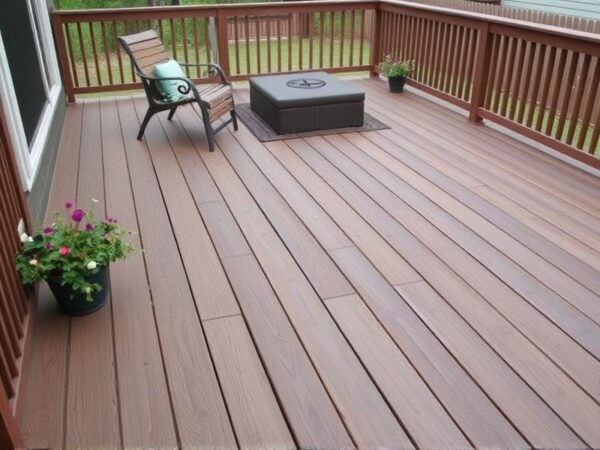
Composite Decking Pros and Cons: What Homeowners Really Need to Know
Why Everyone’s Talking About Composite Decks
Let’s be real – choosing deck materials can feel like navigating a home improvement maze. I’ve watched neighbors spend weekends sanding and staining wood decks while others swear by their “maintenance-free” composite options. But what’s the real story behind these plastic-wood hybrids? We’re breaking down the good, the bad, and the sweaty (yes, heat retention matters!) aspects of composite decking.
The Nuts and Bolts of Composite Materials
Picture this: recycled milk jugs meets sawdust. That’s essentially what composite decking is made of – about 60% plastic and 40% wood fibers. Unlike traditional wood that needs constant TLC, these boards come pre-mixed with UV inhibitors and mold resistance. But here’s the kicker – not all composites are created equal. Higher-end brands use capped polymer coatings that act like armor against stains and fading.
| Feature | Premium Composite | Entry-Level Composite | Pressure-Treated Wood |
|---|---|---|---|
| Surface Temperature (90°F day) | 125-140°F | 140-160°F | 110-120°F |
| Fade Warranty | 25 years | 10 years | N/A |
| Annual Maintenance Cost | $0-$50 | $50-$100 | $200-$500 |
Your Wallet vs. The Long Game
Let’s talk numbers without putting you to sleep. Installing composite decking might cost you about twice upfront compared to pressure-treated wood. But here’s where it gets interesting – over 10 years, many homeowners actually save money. Why? No annual staining, fewer board replacements, and let’s not forget those saved weekends!
Take my client Sarah in Arizona – she paid $18k for her composite deck vs. $8k for wood. Fast forward 7 years: Her neighbor’s on their third wood deck refurbishment while Sarah’s only expense? An occasional hose-down. Food for thought, right?
The Hidden Surprises (Good and Bad)
Nobody tells you about the “hot deck syndrome.” On scorching days, dark composite boards can get downright toasty – we’re talking fry-an-egg temperatures. Pro tip: Lighter colors and textured surfaces help, but if you’re barefoot friendly, consider adding shade features.
On the flip side, color retention has improved dramatically. Remember those faded gray decks from the early 2000s? Modern composites use better UV blockers, though cheaper brands might still show fading within 5-8 years.
Eco-Friendly or Greenwashing?
Here’s the sustainability scoop: Most composites contain 80-90% recycled materials. But (and it’s a big but) they’re notoriously hard to recycle at end-of-life. Some manufacturers offer take-back programs, but they’re not widespread yet. If environmental impact keeps you up at night, look for brands using recycled HDPE plastic and FSC-certified wood fibers.
Installation Insider Knowledge
Thinking DIY? Pump the brakes. Composite decking requires precise spacing for expansion – get this wrong and you’ll have warped boards by next summer. Most pros recommend:
- Using hidden fasteners for cleaner look
- Leaving 1/8″ gap between boards
- Choosing grooved edges for stair treads
Real People, Real Experiences
Jake from Minnesota loves his composite deck’s snow resistance but wishes he’d chosen a cooler color. Maria in Florida raves about mold resistance but warns against installing near palm trees (those falling fronds can dent surfaces!). The consensus? Manage expectations – it’s not indestructible, but beats constant maintenance.
When Composite Makes Sense (And When It Doesn’t)
Perfect for:
- Busy homeowners who hate maintenance
- Wet climates prone to mold
- Multi-level decks where safety matters
Think twice if:
- You love changing stain colors yearly
- Budget is super tight
- You’re in extreme heat areas
Alternatives Worth Considering
Not sold on composite? Check these out:
- Tropical Hardwoods: Gorgeous but pricey and high-maintenance
- PVC Decking: Cooler surface but less eco-friendly
- Aluminum Decking: Fire-resistant but clanky underfoot
The Bottom Line
Composite decking isn’t perfect, but for many homeowners, the pros outweigh the cons. If you value time over tinkering and don’t mind the upfront cost, it’s definitely worth strong consideration. Just remember – not all composites are created equal. Do your homework, check warranties, and maybe avoid those dark espresso boards if you live in the Sunbelt!
Still on the fence? Ask yourself: How many summer weekends do you want to spend maintaining vs. actually using your deck? That answer might just seal the deal.



Reviews
There are no reviews yet.