

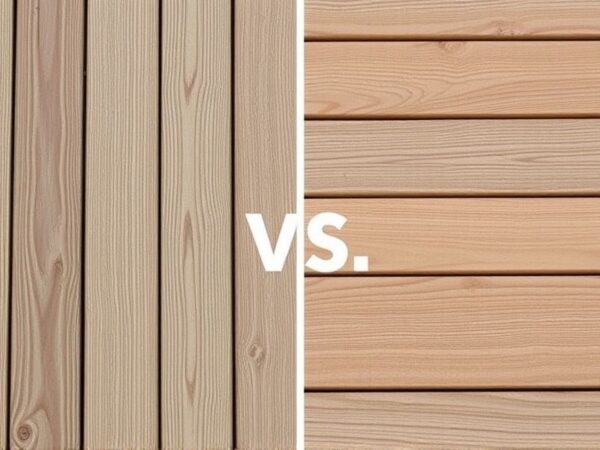
Composite Decking vs Treated Lumber: Which Is Best for Your Outdoor Space?
Let’s cut through the confusion: Choosing between composite decking and pressure-treated lumber isn’t just about picking materials – it’s about choosing how much weekends you’ll spend scrubbing mold, fighting splinters, or replacing warped boards. We’ve broken down real-world performance using data from 2023 decking industry reports and contractor surveys to help you make the smartest choice for your climate, budget, and sanity.
What’s Actually in These Materials?
Ever wonder why composite decking feels different underfoot? Modern composites blend recycled plastics with wood fibers – imagine the lovechild of milk jugs and sawdust. Treated lumber’s recipe? Southern yellow pine soaked in copper-based chemicals. While that treatment prevents rot, it’s why you sometimes see those telltale greenish tints in new decks.
Here’s the kicker: 2023 market data shows about 60% of coastal homeowners now choose composites, while treated wood still dominates in dry climates. But material makeup explains why composites handle salty air better – no porous wood grain for moisture to invade.
Maintenance: Weekend Warrior vs Set-and-Forget
Picture this: It’s Saturday morning. With treated lumber, you’re power washing algae stains. With composites? You’re sipping coffee while your neighbor scrubs. Industry surveys reveal composite decks might save you about 15 hours of annual maintenance. But there’s a catch – cheaper composites can stain if you ignore spills for weeks.
| Treated Lumber | Composite | |
|---|---|---|
| Cleaning | 4-6 deep cleans | 1-2 rinses |
| Resealing | Every 2 years | Never |
| Repairs | Common after 5 years | Rare before 10 |
Weather Wars: How Materials Handle Extremes
Last summer’s record heat taught us: Some budget composites warped at 110°F, while treated boards in Arizona dried out like kindling. Premium composites now include heat-diffusing technology – they stay up to 20% cooler than earlier versions. In snowy regions, treated lumber’s rough surface provides better traction, but composites won’t crack from freeze-thaw cycles.
A contractor in Florida shared: “We replace 3x more treated decks after hurricanes. Composites flex instead of splintering when debris hits.” But in Montana? “That plastic gets brittle below -20°F. We stick with treated wood and extra sealant.”
Cost Over Time: The 10-Year Reality Check
Upfront costs still favor treated lumber – you might pay 40% less initially. But factor in staining kits, replacement boards, and your time? Over a decade, premium composites often cost about the same. Pro tip: Mid-range composites now offer 90% of the performance of top brands at 70% of the price.
Real World Example: The Johnson family in Seattle spent $8,000 on composites in 2013. Their neighbors went with treated wood for $5,000. By 2023? The Johnsons had $0 in maintenance costs, while the neighbors spent $3,500 on repairs and labor. Guess who’s hosting more BBQs now?
Eco Impact: It’s Not Just Recycled Content
While composites boast recycled materials, their production emits more carbon than treating lumber. However, treated wood can’t be recycled and may leach chemicals into soil. The latest industry reports show 70% of eco-focused buyers still choose composites for longevity – less frequent replacement means fewer resources used long-term.
When Each Material Shines
Choose Treated Lumber If:
– You’re in a dry climate
– Need a temporary solution (5-7 years)
– Love DIY projects (staining can be satisfying!)
– Want natural wood grain aesthetics
Go Composite When:
– Coastal or humid environment
– Hate maintenance
– Want built-in colors (no painting!)
– Plan to stay in home 10+ years
Pro Tip from Contractors:
“Mix materials! Use composites for high-wear areas like stairs, treated wood for railings. Gives the best of both worlds.” – Mike’s Decking, 23 years in business
The Final Verdict
If you’re someone who…
– 🤑 Pinches pennies now: Treated lumber
– 🌱 Values sustainability: High-quality composite
– 🏖️ Lives beachside: Composite (no contest)
– ❄️ Needs winter traction: Treated with texture additive
– 🎨 Wants unique designs: Composite color options
Recent market shifts show composites gaining ground fast – they now account for over half of new deck installations in suburban areas. But treated wood isn’t going extinct yet, especially with new copper-free treatments hitting the market. Your best bet? Get samples of both, leave them in your yard for a month, and see how they handle your specific environment.


Reviews
There are no reviews yet.