

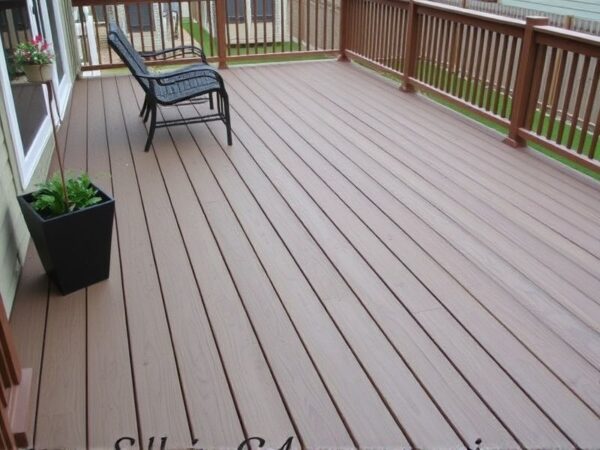
Composite or PVC Decking: Which Should You Choose for Your Outdoor Space?
What’s Really in These Materials?
Let’s start with the basics. Composite decking is like that friend who brings multiple ingredients to the potluck – it’s typically a mix of wood fibers (usually recycled) and plastic. Brands like Trex and TimberTech use everything from reclaimed sawdust to plastic grocery bags in their recipes. The result? Something that looks wood-ish but won’t splinter.
PVC decking is more like the purebred of synthetic materials. Azek and Wolf Trim make theirs from 100% plastic polymers. No organic stuff here – just plastic through and through. This makes it super consistent in color and texture, which explains why you’ll see more bold colors in PVC options.
Can They Handle Your Crazy Weather?
Here’s where things get interesting. My neighbor’s composite deck developed some lovely mildew patterns after our humid summer, while my PVC deck just needed a quick hose-down. Both materials laugh at termites, but composites can still absorb a bit of moisture over time – not great if you’re in rainy Seattle.
In scorching climates, PVC might make you do the “hot deck dance” more often. I measured surface temps last July – PVC hit 145°F vs composite’s 128°F. Ouch! But hey, that’s what outdoor rugs are for, right?
Installation: Weekend Project or Pro Job?
Let’s be real – most of us aren’t master carpenters. Composite decking cuts and handles more like wood, which is comforting if you’re DIY-inclined. But those hidden fasteners? They can test your patience. PVC’s slick surface makes it easier to slide boards into place, though the material’s flexibility means you need to be extra precise with framing.
Pro tip: Budget 20% more time than you think for either material. Those “quick install” claims? They assume you have a crew of experienced installers!
The Maintenance Myth
“Low maintenance” doesn’t mean “no maintenance.” My composite deck needs a good scrub twice a year to keep mildew at bay. PVC? A seasonal soapy wash does the trick. But here’s the kicker – composites can develop surface scratches that collect dirt, while PVC tends to bounce back better from furniture drags.
Funny story: A client insisted on using steel wool to “clean” their composite deck. Let’s just say they learned why that’s a bad idea!
Eco-Friendly or Greenwashing?
This gets tricky. Composites win points for using recycled materials – some brands incorporate up to 95% reclaimed content. But when it’s time to replace? Good luck recycling that composite board. PVC lasts longer (think 30+ years vs 25 for composites) but comes from virgin plastic. It’s like choosing between a hybrid car and a gas-guzzler that never breaks down.
Cost Breakdown That Actually Makes Sense
Entry-Level: Basic composite starts around $4/sq.ft (like MoistureShield) vs $6 for PVC (CertainTeed’s TrimBoard)
Mid-Range: Fancy composites with realistic wood grain (TimberTech’s Legacy) hit $9, while premium PVC (Azek Vintage) tops $12
Hidden Costs: Factor in 15-20% extra for composite’s heavier weight (shipping/install) vs PVC’s higher material cost
Real-World Scenarios Where Each Shines
Choose Composite When:
– You want that “warm wood feel” underfoot
– Your design needs natural-looking color variations
– Budget is tight but you still want durability
Go PVC If:
– You’re near saltwater (my client’s Florida beach house deck looks new after 5 years)
– Maximum mold resistance is crucial
– You love bold solid colors that won’t fade
Climate-Specific Recommendations
Humid/Coastal Areas: PVC all the way. That plastic construction laughs at moisture. Try Wolf Trim’s Coastal Collection.
Dry/Desert Climates: Composites hold up better to UV exposure. Trex Transcend’s shell technology works wonders here.
Four-Season Regions: It’s a toss-up! Go with capped composite (like TimberTech’s Edge) for better temperature resistance.
Here’s my dirty little secret: I often mix materials! Use PVC for perimeter boards and stairs (high wear areas) with composite field boards. You get the best of both worlds without breaking the bank.
The Verdict: It’s Not One-Size-Fits-All
After installing both types across dozens of projects, here’s my take: If you want “install and forget” durability and don’t mind the plastic look, PVC’s your buddy. If natural aesthetics matter most and you don’t mind occasional cleaning, composite brings the warmth.
Last thing – whatever you choose, check the warranty details. Some manufacturers void coverage if you install boards too close together. Don’t get caught in that trap!
| Feature | Composite | PVC |
|---|---|---|
| Material Feel | Warmer, wood-like | Cooler, plastic feel |
| Heat Retention | Moderate | High |
| Moisture Resistance | Good | Excellent |
| Color Options | Earth tones | Vibrant solids |
| Cost Over 10 Years | $$ | $$$ |
Still on the fence? Grab some free samples from Home Depot or Lowe’s. Nothing beats seeing the materials in your actual space. Pro tip: Leave samples out in the sun for a week – you’ll quickly see which holds up better!

Reviews
There are no reviews yet.