

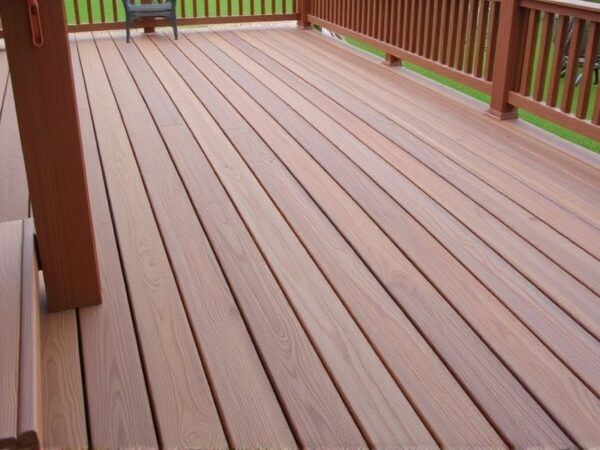
Composite Wood Decking Material: The Smart Choice for Modern Outdoor Spaces
What Exactly Are We Walking On?
Let’s start by picturing your dream deck. You probably want something that looks like natural wood but doesn’t act like it – no splinters, no warping, and definitely no termites setting up shop. That’s where composite wood decking material comes in. These planks are like the superhero version of regular lumber, made by mixing recycled wood fibers with plastic polymers. The result? A surface that keeps its good looks without the high maintenance.
From Factory to Your Backyard
The magic happens in massive mixers where sawdust meets recycled plastic bags. Imagine a giant baking session where the “recipe” gets tweaked for different climates – more UV protection for sunny Arizona patios, extra grip additives for rainy Seattle decks. The mixture gets heated just enough to bond everything together, then pressed into boards that look surprisingly like the real thing. I recently visited a factory where they were making boards with a cedar woodgrain pattern so convincing I had to touch it twice!
Why Your Neighbor Switched Last Summer
Remember helping your friend sand their wood deck every spring? Composite decks laugh at that chore. Here’s the kicker:
| Feature | Traditional Wood | Composite |
|---|---|---|
| Splinter Factor | High (especially after 2+ years) | Almost None |
| Insect Issues | Termite buffet | Not food-safe for bugs |
| Fading | Needs yearly sealing | 5+ years before noticeable change |
| Maintenance Time | 15+ hours/year | Maybe 2 hours |
Take the case of a beachside café in Florida that switched to composite decking. Their old wood deck needed replacing every 3-4 years from salt damage. Five years into using composites? Still serving mojitos on the original boards.
Installation Made Actually Enjoyable
Here’s where you’ll thank yourself for choosing composites. Unlike finicky wood planks that need precise spacing, most composite decking material uses clever hidden clip systems. My contractor buddy Tom says he can install a composite deck about 30% faster than wood. Pro tip: Leave a little extra space around edges – these boards expand and contract less than wood, but they still need breathing room.
Cleaning? More Like Quick Wipe-Downs
Spilled margarita mix last weekend? No panic. For daily cleanup, a hose-down does the trick. Twice a year, mix warm water with a cup of vinegar (the cheap white kind works great) and scrub with a soft brush. That’s it – no expensive cleaners needed. For stubborn stains, a magic eraser sponge works wonders without damaging the surface.
Color That Actually Stays Put
Manufacturers have gotten sneaky good at color retention. Most composites now use “cap stock” technology – think of it like a protective candy shell around the board. Testing shows these retain about 90% of their original color after a decade, compared to wood’s 60-70% even with perfect maintenance. Darker colors do fade slightly faster, but we’re talking subtle changes rather than that bleached-out wood look.
Where You’ll Spot These Boards Working Hard
Beyond the obvious backyard decks, composite wood decking material is popping up in cool places:
- Rooftop bars in Chicago (handles temperature swings like a champ)
- Pool surrounds in Texas (no hot-foot effect from scorching planks)
- Farmhouse-style boardwalks (holds up to heavy foot traffic)
The Money Talk Everyone Wants to Avoid
Let’s be real – composites cost more upfront. But here’s the twist: Over 10 years, you’ll save about 60% compared to wood when you factor in staining, repairs, and replacement costs. A typical 300 sq.ft deck might run $8,000-$12,000 installed with composites versus $5,000-$7,000 for wood. But wait – add $500/year for wood maintenance and possible $3,000 replacement in year 8, and composites come out ahead. Plus, many manufacturers offer 25-year warranties now.
Eco-Friendly or Greenwashing?
Good question! While composites aren’t perfect, most use 90%+ recycled materials. That plastic grocery bag you used once? It might live on as part of someone’s deck. Compared to pressure-treated wood (which uses harsh chemicals), composites are definitely the greener choice. Just check if your manufacturer uses sustainable wood sources and non-toxic binding agents.
Final Thoughts: Is It Right For You?
If you hate maintenance love hosting, and want something that ages gracefully, composite wood decking material could be your match. It’s not the cheapest first date, but over time, this relationship only gets better. Still unsure? Grab some samples – many companies send free swatches. Feel the texture, leave them in the sun for a week, and see for yourself why composites are redefining outdoor living.



Reviews
There are no reviews yet.