

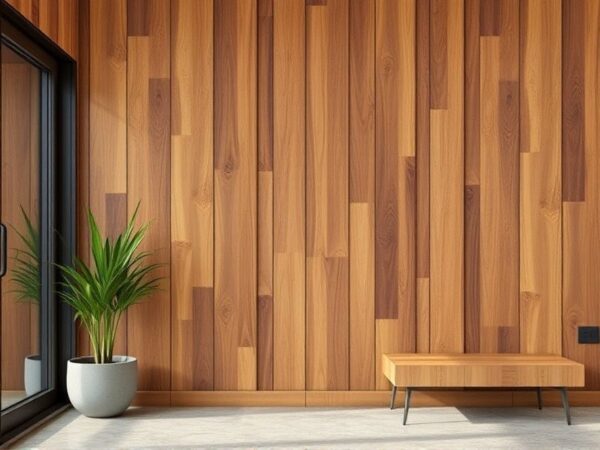
Premium Redwood Panelling: Your Secret Weapon for Timeless Designs

Ever walked into a space that instantly feels both cozy and elegant? Chances are, redwood panelling played a starring role. This natural superstar brings warmth to modern lofts and character to beachside cottages alike. But here’s the real kicker – it’s not just a pretty face. Let’s unpack why designers and homeowners are rediscovering this classic material.
Why Redwood Steals the Show
Picture this: You’re renovating a lakeside cabin. The humidity’s brutal, and last year’s flooring warped like crazy. Enter redwood panelling – nature’s own moisture warrior. Its tight grain structure laughs in the face of rot, making it perfect for steam rooms, outdoor kitchens, or that bathroom renovation you’ve been dreaming about.
But wait, there’s more! Redwood adapts like a chameleon. Want a rustic farmhouse vibe? Leave it natural. Craving something sleek? A coat of matte finish transforms it into modern wall art. I’ve seen clients use vertical installation for height illusion in small spaces, and horizontal runs to widen narrow hallways. Pro tip: Mix stain shades on alternating boards for custom depth.
Earth-Friendly Credentials That Matter
Remember that guilt when using tropical hardwoods? Redwood’s different. Most suppliers now carry FSC-certified stock – meaning for every tree harvested, several get planted. Compared to vinyl alternatives that’ll sit in landfills for centuries, redwood actually breaks down naturally. Plus, its insulation properties can trim energy bills by about 15-20% according to recent studies.
Installation Made (Mostly) Painless
Here’s where redwood shines for DIYers. Unlike finicky engineered wood that needs perfect conditions, redwood’s stable enough to handle minor humidity shifts. For exterior projects, leave a nickel-width gap between boards – they’ll expand just enough without buckling. Indoors? Floating installations over drywall work beautifully. Just don’t skip the vapor barrier in moisture-prone areas!
| Feature | Redwood | PVC Panels | Composite |
|---|---|---|---|
| Lifespan | 50+ years | 15-25 years | 20-30 years |
| Maintenance | Bi-annual sealing | None | Annual cleaning |
| Cost per sq.ft | $8-12 | $5-7 | $6-9 |
Real-World Design Magic
Take Sarah’s coastal café renovation. We used untreated redwood for exterior cladding – two years later, it’s weathered to that perfect silvery driftwood hue naturally. Or Mark’s mid-century modern home where charcoal-stained panels create dramatic accent walls. The secret? Redwood takes stains and paints better than most woods, letting you change looks without replacing materials.
Keeping It Gorgeous Year-Round
Okay, let’s get real – redwood isn’t zero maintenance. But the care routine’s simpler than you think. For exterior installations, a quick power wash each spring keeps mildew at bay. Indoors, a beeswax-based polish every other year maintains the luster. Found a scratch? Rub it with a matching walnut – the natural oils blend imperfections seamlessly.
When to Choose Redwood (And When Not To)
If you’re after instant perfection, maybe skip redwood. Its natural knots and grain variations are part of the charm. But for spaces that tell a story? Nothing beats it. Budget-wise, upfront costs run higher than synthetics, but factor in 50-year durability and it often wins long-term. One client calculated they’d replace PVC panels three times compared to single redwood installation!
Final thought: Next time you’re weighing materials, ask – will this choice look dated in 5 years? Redwood’s timeless quality means your space evolves without needing complete overhauls. That beachy gray patina developing over decades? That’s not weathering – it’s your design gaining character.
Hot Tip: Ask suppliers about “character grade” redwood – it’s perfect for accent walls with beautiful natural imperfections at 20-30% lower cost than premium grades.
Environmental Impact: The Full Picture
Sure, cutting trees sounds bad. But sustainable forestry practices actually help – redwood grows faster than most hardwoods, and managed forests support healthier ecosystems. Compared to petroleum-based alternatives, redwood’s carbon footprint is about 40% lower over its lifespan. Plus, many manufacturers now offer end-of-life recycling programs – turn old panels into mulch instead of trashing them.
So there you have it – redwood panelling isn’t just another building material. It’s a design partner that gets better with age, saves you from constant replacements, and keeps your conscience clear. Whether you’re cladding a mountain retreat or creating a statement wall in a downtown office, this natural wonder delivers. Trust me, your future self will thank you when your walls still look amazing decades later!
Reviews
There are no reviews yet.