

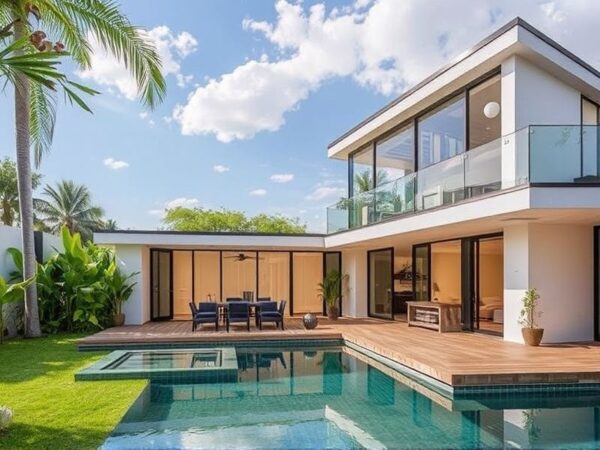
Premium WPC Supplier in Southeast Asia: Sustainable Building Solutions
Why Everyone’s Talking About WPC in SE Asia
Let’s be real – when you’re planning a construction project these days, you can’t ignore the buzz around wood-plastic composites. But why are architects and contractors across Southeast Asia suddenly switching from traditional materials? The answer’s simpler than you think: it’s like getting the best features of wood and plastic without the headaches. Imagine decking that doesn’t warp after monsoon season, or fencing that laughs in the face of termites. That’s exactly what partnering with a reliable WPC supplier in SE Asia brings to the table.
Where You’ll Spot WPC Making Waves
Picture this: a luxury resort in Phuket using WPC decking that stays cool underfoot even at high noon. Or a Jakarta high-rise sporting architectural cladding that’s still looking sharp after five years of tropical sun. These aren’t hypotheticals – they’re real projects we’ve been part of. From beachfront boardwalks in Bali to urban fencing solutions in Singapore’s HDB neighborhoods, WPC is quietly revolutionizing how Southeast Asia builds.
Hotels love it for pool areas that don’t get slippery. Homeowners swear by fencing that doesn’t need annual repainting. And developers? They’re all about cladding that cuts installation time while meeting green building standards. It’s not just about looking good – though let’s be honest, that textured woodgrain finish does turn heads.
The Science Behind the Hype
Okay, let’s geek out for a minute. What makes WPC from SE Asian suppliers stand up to our crazy climate? The secret sauce is in the formulation. Top manufacturers blend recycled plastics with sustainably sourced wood fibers, creating materials that laugh at moisture (goodbye, rotting deck boards!) and shrug off UV rays like they’re nothing.
Here’s the kicker – while traditional teak might warp after a few rainy seasons, quality WPC maintains its shape within 0.5% dimensional change even when humidity hits 90%. And that “gets too hot in the sun” complaint? Modern composites reflect up to 30% more infrared than conventional timber, keeping surfaces up to 10°C cooler. Suddenly those barefoot-friendly pool decks make total sense, right?
Green Credentials That Actually Matter
Let’s cut through the greenwashing. When we say sustainable, we mean WPC that uses 80-100% post-industrial recycled materials. Many leading suppliers in the region now sport FSC certifications – that’s Forest Stewardship Council approval for you newbies – ensuring every wood fiber comes from responsibly managed forests.
But here’s what really blows my mind: a typical 20-square-meter WPC deck uses about 5,000 recycled plastic bags. That’s keeping waste out of our oceans while creating buildings that last. It’s not just feel-good eco stuff either – developers are seeing tangible benefits through green building tax incentives across ASEAN countries.
How WPC Stacks Up Against the Old Guard
| Feature | Traditional Wood | Concrete | WPC |
|---|---|---|---|
| Lifespan | 5-7 years | 15+ years | 25+ years |
| Maintenance | Annual sealing | None | Occasional wash |
| Installation | Skilled labor needed | Heavy machinery | DIY-friendly |
See what I mean? While concrete lasts, it’s about as warm and inviting as a parking garage. Traditional wood needs constant babying. WPC hits that sweet spot between durability and aesthetics – kind of like that perfect pair of jeans that actually last.
Where the Market’s Heading (And Why You Should Care)
Fun fact: The ASEAN construction sector’s growing at nearly 6% annually, with green building demand outpacing that. Governments are pushing sustainable codes, and guess what material keeps popping up in compliance specs? You got it – WPC.
In Vietnam alone, composite decking imports jumped 40% last year. Thailand’s seeing WPC replace up to 30% of traditional balcony materials in condo projects. And it’s not just about new builds – retrofitting existing structures with WPC cladding is becoming huge as building owners chase energy efficiency targets.
Picking Your Perfect WPC Partner
Now, not all WPC suppliers in SE Asia are created equal. Here’s my insider tip: Look for manufacturers offering full technical specs – things like density over 1.3 g/cm³ and water absorption under 0.8%. These numbers might sound boring, but they’re the difference between a deck that lasts decades and one that sags in a year.
Oh, and don’t sleep on color options! The best suppliers offer UV-stable hues that won’t fade into that sad, washed-out look. Pro tip: Ask for samples exposed to accelerated weathering tests – if they can handle 3,000 hours of simulated sunlight, your actual project should stay vibrant for years.
Real Talk: When WPC Isn’t the Answer
Let’s keep it 100 – WPC isn’t magic. In super high-traffic industrial settings, you might still want concrete. For intricate carved details, solid wood’s still king. But for 90% of residential and commercial applications? WPC delivers performance that traditional materials just can’t match in our region’s climate.
One last thing – while installation’s easier than traditional materials, don’t cheap out on substructure. A proper WPC supplier in SE Asia will advise on aluminum vs treated timber frames based on your project’s specific needs. Trust me, that extra bit of planning upfront saves headaches down the line.

Reviews
There are no reviews yet.