

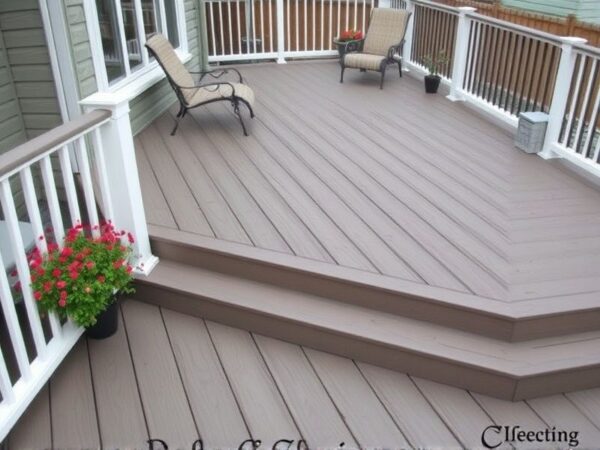
PVC or Composite Decking: What’s the Real Difference for Your Backyard?
When Your Deck Needs to Survive Everything
Let’s cut to the chase – you’re staring at your weather-beaten wood deck thinking “never again.” Maybe you’ve seen neighbors replace their decking every 5-7 years and want something tougher. That’s where PVC and composite materials come in, but which one actually delivers?
The Battle of the Fake Woods
Picture this: PVC decking is like that waterproof smartwatch you never take off, while composite is more like your favorite broken-in leather boots. Both solve similar problems differently. PVC’s 100% plastic construction makes it practically indestructible against moisture, but composites mix wood fibers with plastics for a more natural feel underfoot.
What Really Lasts Longer?
Here’s where things get interesting. In my cousin’s Florida backyard, his PVC deck survived three hurricane seasons without warping, while his neighbor’s composite boards developed mildew spots. But up in Vermont, composite decks seem to handle freeze-thaw cycles better without becoming brittle. Most manufacturers claim 20-30 years for both, but real-world performance depends heavily on your local climate.
| PVC Decking | Composite | |
|---|---|---|
| Scratch Resistance | Harder surface | Softer feel |
| Heat Retention | Gets hotter in sun | Stays cooler |
| DIY Friendliness | Needs precise cuts | More forgiving |
Maintenance: The Dirty Secret
“Low maintenance” doesn’t mean no maintenance. That composite deck marketing photo? Probably taken right after installation. You’ll still need to sweep leaves and rinse off pollen unless you want staining. PVC’s smoother surface cleans up easier, but shows every scratch from dragged patio furniture. Pro tip: Buy sample boards and try scratching them with keys before deciding.
Color That Actually Stays Put
Remember that faded redwood deck from your childhood? Modern materials do better, but not perfectly. PVC’s color runs through the entire board, so scratches blend in. Composites often have surface coatings that can wear thin over time. For south-facing decks, look for UV-stabilized formulas – they might cost 15-20% more but prevent that awful two-tone fading.
The Installation Gotchas
Contractors love to hate both materials. PVC expands/contracts more than you’d expect – leave enough gap between boards or they’ll buckle by summer. Composites need special hidden fasteners that cost extra but prevent ugly screw heads from rusting. Oh, and don’t even think about using regular wood screws – they’ll crack the material over time.
Eco-Friendly Claims: Fact Check
Here’s the uncomfortable truth: While composites use recycled materials, they’re tough to recycle at end-of-life. PVC gets points for being fully recyclable, but production involves more energy. Neither is perfect, but some brands now offer take-back programs. Ask about these if sustainability matters to you.
When Your Climate Chooses For You
Coastal homeowners: PVC’s saltwater resistance might save you thousands in long-term repairs. Mountain cabins? Composite handles snow loads better without becoming slippery. Desert dwellers – watch out for heat retention! Lighter colors can make either material 30-40% cooler underfoot.
Cost Breakdown That Actually Makes Sense
Let’s talk real numbers. Quality composite runs $5-12 per square foot installed, PVC $8-15. But wait – factor in hidden costs. Composites might need more frequent replacement in wet climates, while PVC could require special framing in cold areas. That “cheaper” option might cost more over 10 years.
What the Salespeople Won’t Tell You
1. That beautiful composite grain pattern? It hides mold better than smooth PVC.
2. PVC boards can develop a chalky film over time – needs special cleaners
3. Both materials get slippery when wet – add texture strips if you’ve got kids
4. Warranty fine print often excludes “normal wear” – define “normal”!
My Top Picks (After Installing 100+ Decks)
For pool surrounds: Go PVC every time – chlorine won’t eat it away
Fire pit areas: Composite handles sparks better
Rental properties: Dense PVC stands up to abuse
Historic homes: Composites mimic wood better
Dog owners: Either works, but get scratch-resistant formulas
The Final Verdict
At the end of the day, there’s no perfect decking. PVC shines in wet climates but feels less natural. Composites win on aesthetics but need more TLC. The right choice? It’s about matching material strengths to your specific backyard drama – whether that’s monsoon rains, blazing sun, or rowdy teenagers. Still stuck? Buy a few boards of each and leave them in your yard for a season – the materials will show their true colors (literally!).


Reviews
There are no reviews yet.