

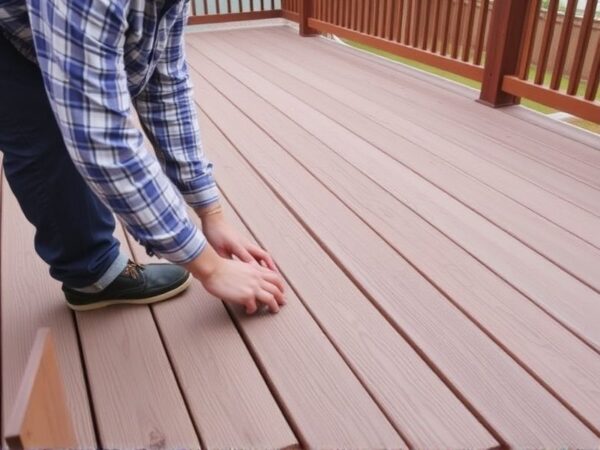
Your No-Sweat Guide to Installing Composite Decking That Lasts
Let’s Talk Tools First
Before we dive in, let me tell you about my neighbor Dave’s deck disaster. He tried using regular wood screws and ended up with a wavy mess after one winter. Moral of the story? Get the right gear from the start. Here’s what you’ll really need:
- Hidden fasteners (the secret sauce for that clean look)
- Plastic spacers – don’t skip these!
- A decent circular saw with composite blades
- Chalk line that actually works
- Rubber mallet (your new best friend)
Pro tip: Spring for the composite-specific blades. They cut cleaner and last about twice as long as regular wood blades. Trust me, it’s worth the extra $10-15.
Setting Up Your Deck’s Backbone
Here’s where most DIYers get tripped up. Your subframe needs to be dead level – I’m talking “spirit bubble barely moves” level. Composite boards aren’t as forgiving as wood when it comes to uneven surfaces. If your joists are more than 1/8″ off over 6 feet, you’ll notice it in the final product.
Space your joists about 16″ apart for most composite brands. But check your specific boards – some premium lines let you go up to 24″ spacing. Oh, and don’t forget the slope! Aim for about 1/4″ drop per foot away from your house. That’s enough for drainage without being noticeable underfoot.
The Art of Board Alignment
Ever seen those decks where the boards look like they’re doing the wave? Let’s avoid that. Start by dry-fitting your first three rows before locking anything in. Use those spacers religiously – composite expands and contracts more than you’d think. I like to leave a credit card’s thickness gap along walls and railings.
When cutting around obstacles like posts, leave extra space. My buddy Sarah learned the hard way when her perfectly fitted boards locked her gazebo post in place during a heat wave. We’re talking about 1/2″ clearance minimum around permanent structures.
Why Composite Beats Old-School Wood
Remember helping your dad stain the deck every summer? Yeah, composite says goodbye to all that. While traditional wood might save you money upfront, you’re looking at:
| Composite | Wood | |
|---|---|---|
| Yearly Maintenance | Zero | 2-4 weekends |
| Lifespan | 20+ years | 8-12 years |
| Weather Resistance | Hail? No problem | Warp city |
The hidden cost? Composite runs about 30% more initially. But when you factor in time and maintenance costs, it pays for itself in about 5 years.
Smart Finishing Moves
Those end caps aren’t just for looks – they’re your deck’s insurance policy against moisture. Take the extra 10 minutes per board to snap them on properly. For railings, consider pre-assembled sections if you’re working solo. They’re easier to handle and ensure consistent spacing.
Here’s a trick I learned from a pro installer: Run a bead of color-matched silicone along hidden seams. It keeps debris out and makes cleaning a breeze. Just don’t go overboard – you want it hidden under the lip of the board.
When to Call in the Cavalry
Look, I’m all for DIY pride, but some situations need a pro. If your deck design includes multiple levels, complex angles, or needs to support heavy features like a hot tub, spend the $200-300 for a consultation. It’s cheaper than fixing structural mistakes later.
Same goes for electrical work – never attempt to route wiring through composite boards yourself. The material behaves differently than wood when heated, and you don’t want to risk fire hazards.
Oops-Proofing Your Project
Even seasoned DIYers make mistakes. Here’s how to avoid the big ones:
- Gaps closing up? You skimped on expansion space. Fix it before summer heat turns your deck into a buckling mess
- Squeaky boards? Probably over-tightened fasteners. Composite needs to “float” a bit
- Discoloration? Check for debris under boards – even small dirt piles can trap moisture
Pro tip: Keep extra boards from the same production batch. Color variations between lots can be noticeable, especially in grays and earth tones.
Why This All Matters
Last summer’s BBQ season proved it – my composite deck handled spilled drinks, dropped burgers, and crazy weather without a hiccup. The real test? My 80-pound dog’s zoomies across the surface didn’t leave a single scratch. That’s the beauty of getting the installation right from the start.
Whether you’re creating a cozy fire pit area or a poolside oasis, taking the time to install composite decking properly means you’ll spend more time enjoying your space and less time maintaining it. Now go build something awesome!


Reviews
There are no reviews yet.