

Choosing Your Home’s Armor: A Real-World Look at Exterior Wall Materials
Let’s face it – picking exterior materials isn’t just about curb appeal. It’s like choosing battle gear for your house against rain, sun, and whatever else Mother Nature throws its way. But with so many options out there, where do you even start? Let’s break down 8 popular choices you’ll actually encounter in the real world, minus the textbook jargon.
The Classics That Never Disappoint
Let’s start with the old reliables. Brick’s been around since the pyramids for good reason – it’s basically the jeans of building materials. While new homes might pay $12-18 per square foot installed, that’s cheaper than you’d think for something that lasts 100+ years. Pro tip: Darker bricks hide dirt better if you’re not into frequent cleanings.
Then there’s wood siding, the ultimate love-it-or-hate-it choice. Sure, cedar shakes smell amazing after rain, but ask anyone in rainy Seattle – you’ll be re-staining every 3-5 years. Modern pressure-treated options help, but they’re still higher maintenance than your average material.
Modern Materials That Play Hard
Fiber cement’s been stealing the show lately, and I get why. It mimics wood grain so well your neighbors might do double-takes, but without the termite sleepovers. At about $6-12/sq ft installed, it’s become the go-to for hurricane-prone areas. Just don’t drop those heavy panels on your foot during DIY projects!
Metal siding’s not just for barns anymore. I recently saw a contemporary home in Austin wrapped in vertical steel panels that reflected the sunset. Bonus? It shrugged off hailstorms that dented cars. The metallic “ping” during rainstorms takes some getting used to though.
When Luxury Meets Practicality
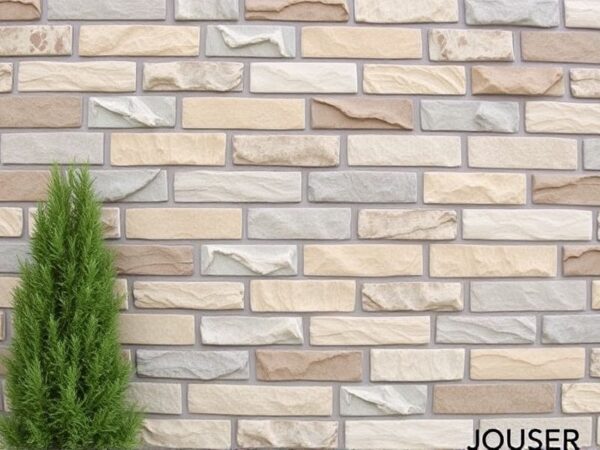
Natural stone is the Beyoncé of exterior materials – expensive but iconic. That $15-30/sq ft price tag hurts until you realize it’s practically maintenance-free. A client in Colorado used local sandstone that blended with the mountains so well, deer kept trying to rub against it!
Stucco’s Mediterranean charm comes with climate caveats. It’s fantastic in dry areas like Phoenix, but in humid zones? I’ve seen moisture get trapped and cause peeling nightmares. The new synthetic versions handle moisture better, but still make me nervous in rainy regions.
Budget Heroes With Hidden Skills
Don’t sleep on vinyl siding – today’s versions don’t look like your grandma’s plastic panels. Color-through technology means scratches don’t show, and at $3-7/sq ft, it’s the MVP for rental properties. Just avoid dark colors in sunny areas; I’ve seen warping on south-facing walls in Texas heat.
Engineered wood products are the underdogs here. They’re cheaper than real wood (about $4-9/sq ft) and resist insects better. But installers tell me improper flashing causes 90% of their failures. Get the details right, and they’ll outlast your mortgage.
Climate Considerations That Matter
Here’s where things get personal. That beautiful cedar siding might work magic in dry Denver, but in Florida’s humidity? You’ll be fighting mold and warping. Coastal homes should look at fiber cement or corrosion-resistant metals – salt air eats traditional materials alive.
In fire-prone areas, stone or stucco could literally be lifesavers. I’ve seen entire California neighborhoods switch to non-combustible materials after wildfires. Worth the extra cost? Absolutely when it comes to safety.
Maintenance Real Talk
Let’s get real – nobody wants to spend weekends pressure-washing their house. If low maintenance is your jam, brick or stone might be worth the upfront cost. But if you love changing colors every decade, fiber cement gives you flexibility without replacing everything.
Pro tip from a contractor friend: Whatever material you choose, invest in proper flashing and drainage. Most exterior failures come from water intrusion, not the material itself. A $20 tube of caulk can prevent $2,000 in repairs!
The Sustainability Angle
Eco-warriors, listen up! Recycled metal siding gives new life to old cars and appliances. Some manufacturers even take back old vinyl siding for recycling now. And that brick wall? It’s basically a thermal battery, slowly releasing stored heat overnight – cutting energy bills without high-tech gadgets.
Wood lovers should look for FSC-certified products. I recently toured a Portland home using salvaged barn wood siding – character for days and zero new trees cut. Just remember, “sustainable” doesn’t always mean “maintenance-free.”
When to Splurge vs Save
Here’s my rule of thumb: Invest in quality where weather hits hardest. That might mean stone veneer on the windward side, with vinyl elsewhere. Or spend on impact-resistant materials if you’re in tornado alley, saving elsewhere.
Remember, installation costs often outweigh material prices. A $5/sq ft material with expert installation beats a $10/sq ft option slapped on poorly. Get multiple quotes – I’ve seen labor costs vary 300% for the same vinyl job!
Final Thoughts From the Trenches
After seeing hundreds of homes, here’s what sticks: There’s no perfect material, just the best fit for your climate, budget, and style. That rustic cabin might demand wood, while a modern box calls for metal. Mix materials strategically – maybe stone accents with fiber cement main walls.
Last warning: Check HOA rules before falling in love with a material! I once had clients heartbroken over forbidden metal roofing. Your dream exterior should protect your house and your sanity – choose wisely!

Reviews
There are no reviews yet.