


Ultimate Guide: How to Install Composite Decking with Hidden Fasteners Like a Pro
Why Hidden Fasteners Are a Game-Changer
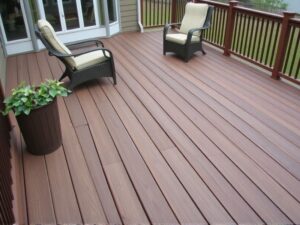
Let’s be real – nobody wants their beautiful deck ruined by a bunch of visible screw heads. That’s where hidden fastener systems come in clutch. Imagine your neighbor’s deck with those glaring metal dots every few inches versus your sleek, seamless surface. Which one would you rather host BBQ parties on? These clever little clips not only boost curb appeal but actually help your deck last longer by preventing water pooling and surface damage. And get this – most manufacturers say hidden systems can cut installation time by nearly a third compared to traditional screw-down methods. Not too shabby, right?
What You’ll Need in Your Toolbox
Before we dive in, let’s talk gear. You don’t need anything too fancy, but there are a few MVPs you’ll want to have handy:
- A decent cordless drill (pro tip: get an extra battery)
- Composite decking-specific hidden clips (don’t cheap out here!)
- Chalk line and speed square
- Circular saw with a carbide-tipped blade
- Rubber mallet – your new best friend for snug fits
Oh, and safety glasses – because nobody looks cool picking sawdust out of their eyes.
Getting Your Foundation Right
Here’s where many DIYers trip up. Your joists need to be straighter than a laser beam and spaced tighter than a hipster’s jeans. I recently helped my buddy Dave fix his wavy deck disaster – turned out his joists were off by just 1/4″ in some spots. We ended up having to shim about 20% of the frame. Save yourself the headache and triple-check that substructure!
Leave about 1/8″ gap between boards for expansion – roughly the thickness of a dime. And don’t forget to alternate your board patterns if you’re using multi-color composite. Trust me, it makes all the difference in avoiding that “boring plaid shirt” look.
The Secret to Perfect Clip Placement
Alright, moment of truth – installing those first few boards. Start by placing clips in the joist grooves every 10-12 inches. Here’s a neat trick I learned from a contractor friend: use painter’s tape to mark clip positions on your starter board. Saves tons of time measuring each one individually.
When sliding boards together, that rubber mallet is your wingman. Gentle taps from the side – we’re assembling a deck, not driving railroad spikes. If a clip feels stubborn, back it out and check for debris in the groove. I’ve seen more than one clip ruined by a single wood chip left in the channel.
When Things Go Sideways (And How to Fix Them)
Even pros hit snags sometimes. Notice a slight bow in your board? Flip it end-for-end – the curve often reverses direction. Got a stubborn gap that won’t close? Try warming the board with a hairdryer (seriously, it works). And if you accidentally over-tighten a clip, don’t panic – just replace it. Damaged clips account for about 15% of warranty claims according to industry data, so keep a few extras handy.
Why Your Future Self Will Thank You
Let’s talk longevity. Hidden fastener decks aren’t just pretty faces – they’re practically maintenance-free. No more annual screw tightening or rust stains. I’ve seen 10-year-old hidden clip decks that still look factory fresh, while traditional screwed decks nearby were turning into splinter city. The secret? Those hidden systems allow natural expansion/contraction without stressing the boards. Plus, cleaning is a breeze – just soap and water twice a year.
Traditional vs Hidden Systems: The Real Deal
| Feature | Hidden Fasteners | Traditional Screws |
|---|---|---|
| Installation Time | ~30% faster | More measuring/tightening |
| Surface Damage | Zero visible marks | Potential mushrooming |
| Long-Term Maintenance | Almost none | Annual checkups |
| Material Waste | 3-5% less | Higher error rate |
Pro Tips They Don’t Tell You
Want to really nail that pro finish? Here’s some insider intel:
- Install boards label-side down (the textured side is usually the “top”)
- Work in the shade if possible – composites get slippery when hot
- Use plastic shims for perfect starter row alignment
- Seal cut ends with matching composite tape – it’s like sunscreen for your deck
And remember – measure twice, cut once, then measure again just to be safe!
When to Call in the Cavalry
While most hidden fastener installs are DIY-friendly, there are times to phone a pro. Steep slopes? Multi-level designs? Leave those to the experts. I once tried to save $500 on a curved deck project… ended up costing me double in materials and a weekend of frustration. Some battles just aren’t worth fighting alone.
Making It Last a Lifetime
Here’s the kicker – a properly installed hidden fastener deck can outlive your mortgage. The key is in the prep work and using quality materials. Stick with brands offering 25+ year warranties, and avoid stacking heavy planters in the same spot year-round. Your deck will thank you with decades of service and enough backyard envy to make the whole neighborhood jealous.



Reviews
There are no reviews yet.