

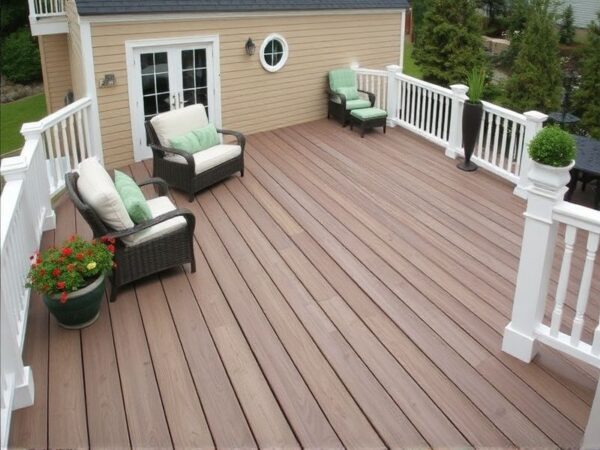
Veranda Composite Decking: The Ultimate Solution for Durable & Stylish Outdoor Living

Let’s face it – maintaining a wooden deck can feel like a part-time job. Between sanding, staining, and replacing rotten boards, many homeowners are switching to Veranda composite decking for good reason. I’ve seen firsthand how this material transforms outdoor spaces while saving time and money. Here’s why it’s becoming the go-to choice for smart homeowners.
Why Composite Beats Traditional Wood Every Time
Remember when your neighbor’s beautiful cedar deck started warping after just two summers? That’s where composite decking shines. Unlike regular wood that cracks and fades, Veranda’s blend of recycled plastics and wood fibers resists weathering like a champ. We’re talking about planks that handle heavy patio furniture without denting and stay cool enough for bare feet even on sunny days.
Built to Last (Seriously, Your Grandkids Might Use It)
The secret sauce? A protective polymer shell that laughs at UV rays and moisture. While traditional decks might need replacing every 8-10 years, Veranda decks typically last 25+ years with minimal care. That’s not just marketing speak – I’ve inspected decade-old installations that still look factory-fresh.
| Feature | Traditional Wood | Veranda Composite |
|---|---|---|
| Lifespan | 8-12 years | 25+ years |
| Annual Maintenance | 40+ hours | 2-3 hours |
| Warranty | None | Limited Lifetime |
Eco-Friendly Without the Compromises
Here’s something cool – each 16-foot Veranda board contains about 1,200 recycled plastic bags. That’s more than most families use in a year! Unlike pressure-treated wood that leaches chemicals, this material is completely non-toxic. Plus, you’ll never contribute to deforestation when choosing composite.
Design Tricks Even Architects Love
Want a deck that matches your modern furniture? The color options go way beyond “wood-like brown.” From driftwood gray to rich espresso tones, the UV-resistant pigments stay true year after year. Pro tip: Mix board widths for a custom look – I helped a client create a stunning chevron pattern last month using alternating 6″ and 8″ planks.

Installation Made Surprisingly Simple
Most DIYers can handle Veranda installation over a weekend. The hidden fastener system means no visible screws (goodbye splinters!). Just make sure to leave proper expansion gaps – about the width of a dime between boards. For sloped yards, the adjustable pedestal system creates level surfaces without complex framing.
Real People, Real Results
“After three Minnesota winters, our composite deck still looks brand new. The snow plow actually scraped across it last year – not a single scratch!” – Sarah T., Minneapolis
“Calculated we’re saving $200/year on sealants and replacements. Best home investment since solar panels.” – Mark R., Austin
Climate-Proofing Your Outdoor Space
Whether you’re battling desert sun or coastal humidity, here’s how Veranda holds up:
- Mold/mildew resistance: 4x better than treated lumber
- Heat deflection: Stays 15-20% cooler than cheaper composites
- Freeze-thaw stability: Withstands -40°F to 120°F
When Composite Makes Perfect Sense
Perfect for:
• Pool surrounds (no slippery algae buildup)
• Rooftop terraces (ultra lightweight)
• Beach houses (saltwater resistant)
• Busy families (spills wipe right off)
Might want traditional wood if:
• You love annual maintenance projects
• Need ultra-low upfront cost
• Building temporary structures
Smart Shopping Tips
Look for these specs when comparing brands:
– Minimum 25-year fade/stain warranty
– Fully capped boards (not just surfaced)
– FSC-certified recycled content
– Scratch-resistant surface texture
Pro tip: Many suppliers offer free samples – test how different colors look at various times of day before committing.
The Veranda Difference in Numbers
Key Specifications:
Board Lengths: 12′ – 20′
Thickness: 1″ (25mm)
Width Options: 5.5″, 7.25″, 9″
Fire Rating: Class B (same as hardwood)
Weight: 2.3 lbs/ft
Slip Resistance: R10 (ideal for wet areas)
Maintenance Made Mindless
Here’s my cleaning routine that takes 20 minutes twice a year:
1. Sweep off debris
2. Spray with garden hose
3. Scrub stubborn spots with soft brush
4. Rinse thoroughly
Compare that to wood deck maintenance:
☑️ Annual power washing
☑️ Sanding rough spots
☑️ Re-staining every 2 years
☑️ Replacing 3-5% boards annually
Cost Breakdown That Might Surprise You
Upfront costs:
• Composite: $8-12/sq.ft installed
• Premium Wood: $6-10/sq.ft installed
10-year ownership:
• Composite: $9-13/sq.ft
• Wood: $14-20/sq.ft (with maintenance/replacements)
Final Thoughts from a Pro
After installing hundreds of decks, I’ll tell you this – the homeowners who choose composite never look back. Sure, the initial investment gives some people pause, but when you factor in weekend time savings and long-term durability, it’s a no-brainer for most families.
Last thing – don’t cheap out on installation. Even the best composite decking needs proper substructure and ventilation. Find contractors experienced with hidden fastener systems, or if DIY-ing, watch the manufacturer’s installation videos twice before starting.
Got questions? Drop them in the comments below – I check every one and love helping people create their perfect outdoor spaces!

Reviews
There are no reviews yet.