

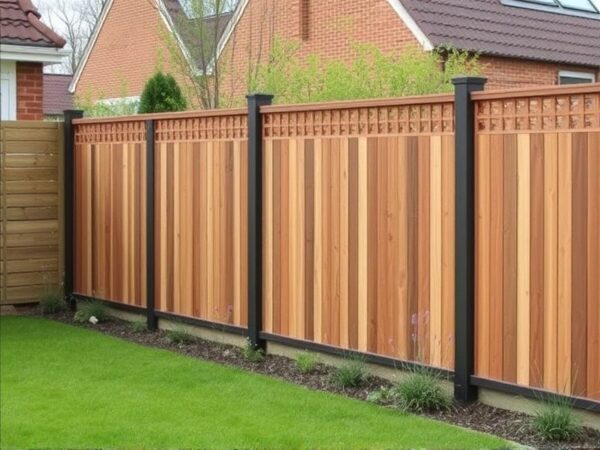
What is Composite Fencing? Your Go-To Guide for Modern Yard Solutions
Let’s cut to the chase – if you’re tired of replacing rotten wood fences or scrubbing mold off vinyl, composite fencing might just become your new best friend. But what exactly is this wonder material that’s been popping up in neighborhoods everywhere? Let’s break it down without the jargon overload.
The Nuts and Bolts of Composite Fencing
Picture this: A material that combines the best parts of wood and plastic without their drawbacks. That’s composite fencing in a nutshell. Most brands mix about 50% recycled wood fibers with 45% plastics (often reclaimed bags or bottles) and 5% binding agents. The result? Boards that look surprisingly wood-like but won’t warp or splinter.
Fun fact: The manufacturing process is kinda like baking a giant, eco-friendly cake. Materials get heated to just the right temperature (usually around 350°F) before being pressed into shape. This fusion creates panels that can handle whatever Mother Nature throws at them – from scorching sun to torrential rains.
Why Your Neighbors Are Making the Switch
Remember when the Joneses replaced their cedar fence last summer? There’s a good chance they chose composite. Here’s what’s driving the trend:
- Low Maintenance: No more annual staining – just an occasional hose-down
- Built to Last: Most warranties cover 20-25 years (compare that to wood’s 8-12 year lifespan)
- Bug-Proof: Termites and carpenter ants literally can’t digest the materials
I recently helped a client in coastal Florida install composite fencing. Three hurricane seasons later? Still standing strong while traditional wood fences in the area needed multiple repairs.
Putting Composite to the Test
Let’s get real – no fencing material is perfect. Here’s how composite stacks up against the competition:
| Feature | Composite | Wood | Vinyl |
|---|---|---|---|
| Annual Maintenance Cost | $20-50 | $150-300 | $50-100 |
| Fade Resistance | Excellent | Poor | Good |
| Installation Difficulty | Moderate | Easy | Difficult |
Pro tip: If you’re in an area with extreme temperature swings, look for brands with UV inhibitors. Some manufacturers now offer color warranties against fading for up to 15 years.
Where Composite Fencing Shines (Literally)
From urban rooftops to rural horse farms, composite’s versatility surprises people. Here are some real-world scenarios where it makes sense:
- Pool Areas: Resists chlorine splashes and wet conditions
- Steep Slopes: Interlocking panels adapt better than rigid materials
- Commercial Spaces: Hotels love the upscale look without constant upkeep
A local coffee shop owner told me switching to composite fencing cut their exterior maintenance budget by 60%. That’s real money back in the business.
What Nobody Tells You About Installation
Here’s the scoop – while composite fencing is easier to maintain, installation isn’t exactly a Saturday DIY project. Most panels need concrete footings and specialized fasteners. But get this right, and you’re golden for decades.
Common mistakes I’ve seen:
- Skimping on post spacing (keep it under 6 feet)
- Forgetting expansion gaps (temperature changes matter!)
- Using wrong screws (stainless steel or coated only!)
The Green Factor: More Than Just Recycling
While manufacturers love to tout recycled content, the real environmental win comes from longevity. A composite fence lasting 25 years means avoiding 3-4 wood fence replacements. That’s hundreds of trees saved over time.
But buyer beware: Not all composites are equally eco-friendly. Look for certifications like GREENGUARD or FSC-recycled labels. Some brands now even take back old panels for recycling – ask about take-back programs!
Straight Talk on Costs
Let’s address the elephant in the room – yes, composite costs more upfront. You’re looking at $25-45 per linear foot installed compared to wood’s $15-25. But do the math:
Over 20 years:
Composite: $35 x 100ft = $3,500
Wood: ($20 x 100ft) + ($250 annual maintenance x 20) = $7,000
Suddenly that “expensive” option looks pretty smart. Plus, many homeowners report increased property values – one study showed up to 5% boost for homes with premium fencing.
Customization: It’s Not Just Gray Rectangles Anymore
Gone are the days of boring composite designs. Today’s options include:
- Textured finishes mimicking redwood or cedar
- Privacy lattice tops
- Integrated lighting channels
- Even mixed-material looks with metal accents
A client of mine mixed horizontal composite panels with vertical steel rods for a stunning modern look. Total showstopper – and zero maintenance beyond occasional dusting.
Your Burning Questions Answered
“Will it look cheap?”
The good stuff won’t. Higher-end brands use through-body coloring so scratches don’t show white plastic underneath.
“What about extreme cold?”
Most composites handle -40°F to 150°F. Just avoid metal components that can conduct cold.
“Can I paint it?”
Technically yes, but you’ll void the warranty. Better to choose your color upfront – quality brands offer 10+ options.
The Final Verdict
Composite fencing isn’t for everyone. If you love the ritual of annual staining or plan to move in 5 years, maybe stick with wood. But for long-term homeowners wanting to “set it and forget it,” composite offers a sweet spot between beauty and practicality.
My two cents? Spend time comparing samples in different lighting. What looks great at the store might appear different in your yard. And don’t skip the warranty details – that’s where you’ll spot quality differences between brands.
At the end of the day, your fence should work for you, not the other way around. With composite, you’re buying back your weekends while keeping your property looking sharp. Not a bad trade-off, if you ask me!


Reviews
There are no reviews yet.