

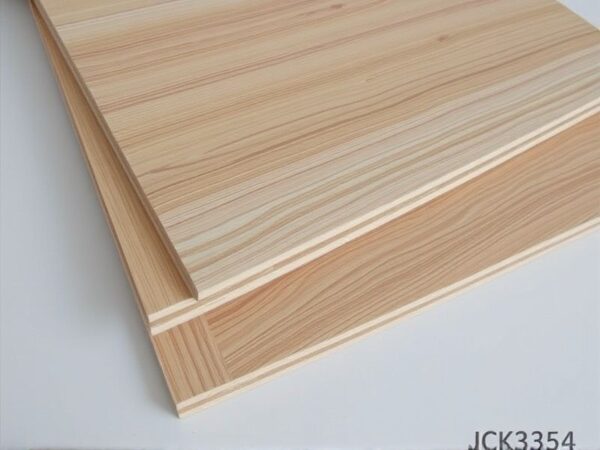
Wood Plastic Composite Boards: Where Eco-Friendly Meets Tough-as-Nails Durability
The Green Revolution Under Your Feet
Let’s talk about that deck material dilemma we’ve all faced. You want something that looks like warm, natural wood but won’t warp like your uncle’s old fishing boat. Enter Wood Plastic Composite Boards – the material that’s been quietly revolutionizing outdoor spaces while giving Mother Nature a high-five. I’ve seen these boards transform everything from soggy pool decks to high-traffic boardwalks, and honestly? It’s kind of mind-blowing how they pull off the eco-warrior-meets-tough-guy act.
What’s in This Magic Material?
Imagine taking the sawdust from lumber mills (you know, the stuff that usually gets burned or landfilled) and mixing it with recycled milk jugs and grocery bags. That’s essentially the recipe for WPC boards. The exact mix varies, but most contain about 60% wood fibers and 40% recycled plastics. This combo creates a material that’s more consistent than natural wood but still has that organic vibe we love. Pro tip: The best manufacturers use food-grade plastic scraps – your deck could literally contain remnants of someone’s yogurt container!
Why Your Backyard Will Thank You
Let’s break down why these boards are winning the outdoor material Olympics:
- UV Resistance: They won’t fade into that sad gray color like traditional wood. Think of it as built-in sunscreen for your deck.
- Waterproof Superpowers: No more spongy spots where the boards soaked up moisture like a thirsty camel.
- Termite-Proof: Insects literally can’t digest the plastic components. Take that, creepy crawlies!
The Maintenance Showdown: WPC vs Traditional Wood
Remember your neighbor Dave who spends every summer scraping and staining his deck? Let’s compare annual maintenance:
| Task | Traditional Wood | WPC Boards |
|---|---|---|
| Sanding | Required | Nope |
| Staining | Every 2-3 years | Never |
| Mold Removal | Seasonal scrubbing | Occasional hose-down |
Real talk: The time you save on maintenance could be spent actually enjoying your outdoor space!
Installation Secrets They Don’t Tell You
While WPC boards are DIY-friendly, here’s some street-smart advice:
- Leave a pinky finger’s width between boards – they expand slightly in heat
- Use corrosion-resistant screws – regular ones will stain the boards over time
- Sloped surfaces? Add extra hidden clips for security
Saw a contractor once try to install these like regular decking boards… let’s just say there was some colorful language involved when the boards started buckling!
Texture Options That’ll Make You Do a Double-Take
Modern WPC isn’t your grandma’s plasticky composite. Current options include:
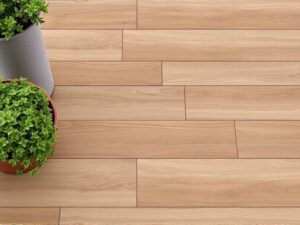
- Brushed Wood Grain: So realistic you’ll catch people kneeling to check if it’s real
- Embossed Patterns: From tropical hardwood looks to sleek modern lines
- Dual-Texture: Smooth finish on one side, textured on the other
Pro tip: Run your hand across samples – the best ones feel warm like real wood, not cold and artificial.
Where WPC Shines Brightest
These boards aren’t just for decks anymore:
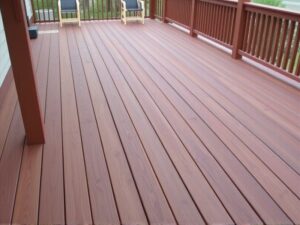
- Pool Areas: No more burning your feet on hot surfaces
- Commercial Spaces: Handles food truck traffic like a champ
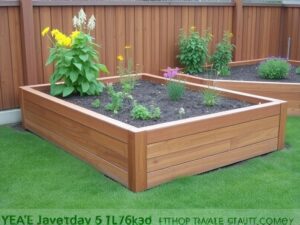
- Fencing: Creates privacy without the maintenance nightmare
Recently saw a zoo using WPC for animal enclosures – if it can handle elephants, your backyard BBQ crew is no problem!
The Long Game: Cost vs Lifespan
Here’s the kicker: While WPC costs about 20% more upfront than pressure-treated wood, it lasts 3-4 times longer. Do the math – you’re actually saving money over decades. Plus, no hidden costs like sealants or replacement boards. A client of mine installed WPC decking 15 years ago and it still looks brand new – meanwhile, his neighbor’s on their third wood deck!
Environmental Impact: Beyond Recycling
Sure, using recycled materials is great, but there’s more:
- Manufacturing uses less energy than concrete or metal
- No toxic preservatives leaching into soil
- At end of life? Fully recyclable into new WPC products
It’s like the circle of life, but for building materials.
Common Myths Busted
Let’s set the record straight:
- “They Get Hotter Than Wood”: Lighter colors stay as cool as traditional wood
- “Plastic Looks Cheap”: New manufacturing techniques create stunning wood realism
- “Can’t Be Repaired”: Individual boards can be replaced if damaged
Heard a rumor that WPC boards melt in extreme heat? Total fiction – they can handle temperatures that would make your car’s dashboard sweat!
Making the Switch: What You Need to Know
If you’re considering WPC boards:
- Check local building codes – some areas have specific requirements
- Buy 10% extra material for cuts and future repairs
- Look for full-depth color – cheaper boards have surface-only coloring
Pro tip: Ask suppliers for installation videos – the good ones will have detailed guides showing exactly how their product should be handled.
The Future of Outdoor Living
As manufacturers keep innovating, we’re seeing WPC boards with:
- Integrated LED lighting channels
- Anti-slip surfaces that actually work when wet
- Custom color blending options
The way things are going, I wouldn’t be surprised to see WPC used in unexpected places – maybe even indoor-outdoor furniture that weathers a decade of backyard parties!

Reviews
There are no reviews yet.