

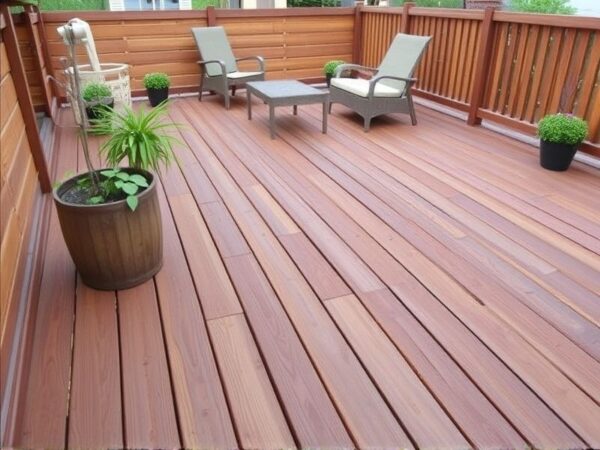
Wood Plastic Composite Decking in Niger: Durable & Eco-Friendly Outdoor Solutions
When the Desert Meets Innovation
You know how Niger’s sun feels like a physical weight by mid-afternoon? That same relentless heat is exactly why builders across Niamey and Agadez are getting excited about wood plastic composite (WPC) decking. It’s not just another “imported solution” – this material actually makes sense when you’re dealing with 45°C summers that can warp traditional wood in a single season.
Why WPC Wins in the Sahara’s Backyard
Let’s cut to the chase – traditional teak might look nice initially, but have you seen what happens after a few sandstorms? WPC decking laughs in the face of our desert climate. The composite material blends recycled plastics (about 60% from what I’ve seen in local factories) with wood fibers, creating planks that:
- Won’t crack when the temperature swings 30°C between night and day
- Resist fading even under direct UV exposure
- Slough off sand particles instead of trapping them
Remember that new resort near Zinder? They switched to WPC after replacing their hardwood deck twice in three years. Now they’re going on year five with minimal maintenance.
Real Projects Telling the Story
Take the Boubon Villa project outside Niamey – the owners wanted a pool deck that wouldn’t become a splinter minefield. They opted for textured WPC that mimics mahogany but handles bare feet better. Or check out the Radisson Blu terrace renovation, where designers used WPC’s color consistency to create geometric patterns that would’ve been impossible with natural wood.
The Maintenance Myth-Buster
“But doesn’t it need special care?” I hear this all the time. Truth is, WPC’s biggest selling point here might be what you don’t have to do:
No seasonal sanding
No annual sealant applications
No panic when the first Harmattan winds hit
A client in Tahoua told me he just hoses down his deck twice a year – takes him 20 minutes and it looks brand new. Try that with traditional decking!
Costs: The Long Game Matters
Yeah, WPC costs about 25% more upfront than mid-grade wood. But let’s do real Niger math:
| Material | Initial Cost | 5-Year Total |
|---|---|---|
| Teak | $50/m² | $180/m² |
| WPC | $65/m² | $85/m² |
Those maintenance savings add up fast. Plus, have you tried sourcing quality timber lately? Prices are wild since the import restrictions tightened.
Government’s Push Meets Practical Needs
Niger’s urban development ministry isn’t just talking sustainability – they’re walking the walk. New regulations now offer tax breaks for projects using ≥30% recycled materials. WPC fits perfectly, especially since local manufacturers are starting to use plastic waste from cities like Maradi and Dosso.
Installation Insider Tips
Here’s what builders won’t tell you: WPC’s expansion gaps matter more here than in temperate climates. Leave at least 8mm between boards – the material needs room to “breathe” during those intense thermal cycles. Oh, and skip the dark colors for pool surrounds unless you want guests hopping across like desert jerboas!
Looking Ahead: WPC’s Sahara Future
With Niamey’s population pushing 1.3 million and green building codes tightening, WPC decking in Niger isn’t just a trend – it’s becoming the smart choice. Manufacturers are even experimenting with adding local baobab fibers to the composite mix. Could we see a 100% Niger-made WPC within two years? Don’t bet against it.
Your Move, Smart Builders
Next time you’re specifying materials for that villa expansion or hotel renovation, ask yourself: Does traditional wood really make sense in 2024? With WPC’s performance in our climate and the long-term savings, it’s like having your cake and eating it too – assuming the cake can withstand sandstorms and 50°C heat!


Reviews
There are no reviews yet.