


WPC 35: The Game-Changer in Sustainable Building You Need to Know About
Why Everyone’s Talking About This Material
Let me tell you about this construction material that’s been making waves lately – WPC 35. If you’ve worked on any green building projects in the past few years, you’ve probably heard whispers about it. But what exactly makes it so special? Well, imagine a material that combines the warmth of wood with the toughness of plastic, then throws in some serious eco-credentials for good measure. That’s WPC 35 in a nutshell.
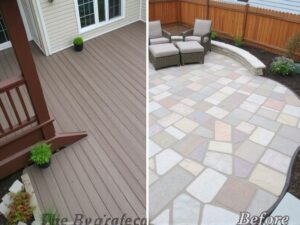
I remember visiting a construction site last summer where they were replacing rotting timber decking with this stuff. The project manager kept raving about how it didn’t warp in the rain like traditional wood. That’s when I realized – this isn’t just another “green” fad. We’re looking at a genuine shift in how we approach sustainable building.
What Makes WPC 35 Stand Out
So what’s under the hood? WPC 35 is this clever hybrid material – think of it as the best of both worlds between wood and plastic. The “35” actually refers to the percentage of recycled wood fibers in the mix, which gives it that natural look while keeping things sustainable. The rest? Mostly recycled plastics that would otherwise end up in landfills.
Here’s where it gets interesting. Unlike regular wood that needs constant staining or sealing, WPC 35 comes ready to roll. No more annual maintenance weekends ruined by deck refinishing! I’ve seen specs showing it can last 25+ years with minimal care – that’s about twice as long as pressure-treated lumber in similar conditions.
Putting It to the Test: Real World Performance
Let’s talk numbers (but don’t worry, I’ll keep it simple). In side-by-side comparisons:
| Feature | WPC 35 | Traditional Wood | Concrete |
|---|---|---|---|
| Maintenance Frequency | Every 5-7 years | Yearly | N/A |
| Weight (per sq.ft) | ~2.3 lbs | ~1.8 lbs | ~12 lbs |
| Water Absorption | <1% | 12-15% | 5-7% |
But numbers only tell part of the story. Take the Brooklyn Waterfront project – they replaced 15,000 sq.ft of treated pine boardwalk with WPC 35. Three years later, zero replacements needed, compared to the old system that required patching every winter. Now that’s what I call durability!
Where You’ll See It Shine
WPC 35 isn’t just for decking anymore (though it’s killer for that). Here’s where it’s making moves:
- Commercial Spaces: Food court seating that can handle spills and heavy foot traffic
- Coastal Areas: Boardwalks that laugh at saltwater corrosion
- Public Parks: Benches that don’t splinter or need constant repainting
A contractor friend swears by it for rooftop terraces. “Clients love that it doesn’t get scorching hot underfoot like composite materials,” she told me. That UV resistance? Total game-changer for outdoor applications.
The Sustainability Angle You Can’t Ignore
Let’s get real – “eco-friendly” gets thrown around a lot these days. But with WPC 35, there’s actual substance behind the claim. For every ton produced:
- Uses ~300kg of plastic waste that would’ve gone to landfill
- Saves 15-20 mature trees compared to traditional lumber
- Production uses 40% less energy than virgin plastic composites
But here’s the kicker – at end of life, the material can be ground up and reused in new WPC products. That closed-loop system is why LEED projects are increasingly specifying it.
Installation Tips from the Pros
Okay, let’s get practical. If you’re considering WPC 35, here’s what you need to know:
- Expansion Gaps: Leave about 1/8” per 10 feet – it expands more than wood in heat
- Fasteners: Use stainless steel or coated screws
- Cutting: Carbide-tipped blades work best
Pro tip: Don’t use regular nails! The composite material needs screws that can handle its density. Learned that the hard way on my first WPC install…
The Cost Question (It’s Not What You Think)
Yes, upfront costs are higher than pressure-treated wood – maybe 20-30% more. But here’s the thing: When you factor in 25+ years of near-zero maintenance? The math changes completely. For commercial projects, the lifetime cost often comes out 40% lower than traditional materials.
A school district in Oregon switched to WPC 35 for their playground structures. Their maintenance supervisor told me they’ve cut annual upkeep costs by about 60%. That’s real money that can go back into educational programs instead of constant repairs.
Common Concerns – Let’s Address Them
I know what some folks are thinking. “Doesn’t it look fake?” Modern WPC 35 has come a long way – textured surfaces and varied color options make it hard to distinguish from real wood. Another worry: Heat retention. While it does get warmer than natural wood, new formulations with lighter colors and improved thermal properties have largely solved this issue.
And for those wondering about structural uses – while it’s not replacing steel beams anytime soon, WPC 35 is increasingly used for:
- Decorative cladding
- Low-load bearing partitions
- Landscaping retaining walls
The Future Looks WPC
As we push towards greener construction practices, materials like WPC 35 aren’t just nice-to-have – they’re becoming essential. With major cities implementing strict sustainability codes, this high-performance composite checks all the boxes: durability, eco-friendliness, and cost-effectiveness over the long haul.
Next time you’re planning a project, ask yourself: Can traditional materials really compete with something that lasts twice as long, needs minimal upkeep, and keeps tons of waste out of landfills? The answer might just surprise you.


Reviews
There are no reviews yet.