

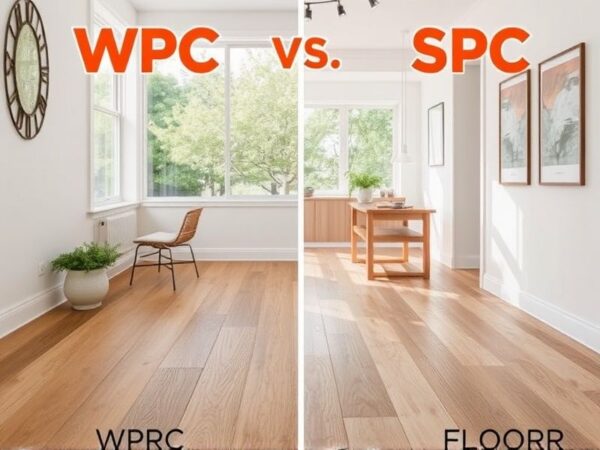
WPC vs SPC Floors: Which Fake Wood Floor Should You Choose?
The Flooring Dilemma Every Homeowner Faces
Let’s be real – choosing between WPC and SPC floors can feel like trying to pick between twins. They look similar, sound alike, and both promise waterproof superpowers. But dig a little deeper (literally into their layers), and you’ll find some surprising differences that could make or break your flooring experience. I’ve seen clients save thousands by choosing the right type, while others ended up redoing entire floors after making the wrong call. Let’s break it down without the jargon.
What’s Really Under Your Feet?
Here’s where these two start showing their true colors. WPC (that’s Wood Plastic Composite) feels like the artsy cousin – it mixes wood flour with plastic binders to create a slightly springy surface. Think of it like a dense foam core sandwich. SPC (Stone Plastic Composite) plays for Team Rockstar, packing limestone powder and stabilizers into an ultra-dense core that could probably survive a meteor strike.
The Comfort vs Durability Tug-of-War
Ever walked barefoot on a cold tile floor? That’s SPC in winter without socks. Its rock-solid core makes it indestructible (great for dance parties or dropped pans), but your knees might protest after hours of standing. WPC’s softer feel is heaven for tired feet – I’ve had clients say it’s like walking on cork floors. But leave heavy furniture in one spot too long, and you might see dents.
Water Wars: Which Really Stays Dry?
Both claim 100% waterproofing, but here’s the twist: SPC’s mineral core can handle literal floods better. I installed it in a lakeside Airbnb where the kitchen flooded twice last year – not a single warped plank. WPC handles spills like a champ too, but in super humid basements? I’ve seen the edges curl slightly after years of moisture exposure.
Installation Showdown: DIY or Call the Pros?
SPC’s thin profile (we’re talking pencil-thin 4-5mm) makes it a dream for covering existing floors. But that hardness means you’ll need diamond blades for cutting. WPC’s thicker planks (6-8mm) forgive uneven subfloors better – perfect for those older homes where the floor isn’t perfectly level. Pro tip: Both use click-lock systems, but WPC’s flexibility makes snapping planks together less wrist-breaking.
Cost Check: Where Your Money Actually Goes
At the store, SPC usually wins the price battle ($2-4/sqft vs WPC’s $3-6). But wait – factor in underlayment. Many WPC products come padded, while SPC often needs separate foam underlayment. For a 1,000 sqft home, that difference could disappear. Long-term? SPC’s toughness means fewer replacements, but WPC’s warmth might save on heating bills.
Real-Life Flooring Wins (and Fails)
Let me tell you about the yoga studio disaster. They chose WPC for its cushioning, but heavy equipment left permanent dents within months. Switched to SPC – problem solved. Then there’s the basement playroom where SPC felt too industrial – swapped to WPC and suddenly kids could play for hours without complaining about cold feet.
The Ultimate Decision Checklist
Ask yourself:
– Got pets/kids? Lean SPC
– Love barefoot living? WPC wins
– Installing over concrete? SPC handles temperature swings better
– Hate floor transitions? WPC’s thickness blends better with existing floors
– On a tight timeline? SPC installs faster in most cases
What the Spec Sheets Don’t Tell You
That “20-year warranty”? It often requires professional installation and perfect subfloor conditions. And those beautiful embossed textures? SPC’s patterns can feel repetitive in large rooms, while WPC hides seams better. Oh, and sunlight exposure? I’ve seen SPC fade less in south-facing sunrooms.
The Verdict: It’s All About Lifestyle
After installing both types in hundreds of homes, here’s my take: If your life involves heavy traffic and spills (looking at you, busy families), SPC’s your workhorse. But if comfort and sound dampening matter most (hello, apartment dwellers and midnight snackers), WPC brings the cozy factor. Either way, you’re getting floors that laugh in the face of water damage – which is pretty awesome in my book.
| Feature | WPC | SPC |
|---|---|---|
| Core Material | Wood-plastic blend | Limestone composite |
| Typical Thickness | 6-8mm | 4-5mm |
| Underfoot Feel | Softer, warmer | Firm, cool |
| DIY Friendliness | Moderate | Easy |
| Best For | Bedrooms, living areas | Kitchens, basements |
Final Pro Tips From the Flooring Trenches
1. Always get samples and test them in different rooms
2. Check return policies – some SPC can crack during DIY installs
3. Dark colors show scratches less on SPC
4. WPC hides subfloor imperfections better
5. Both work with radiant heat, but check maximum temps
At the end of the day, there’s no “bad” choice here – just different solutions for different lifestyles. Whichever you pick, you’re getting durable, waterproof floors that our grandparents would have killed for. Now go forth and choose your perfect fake wood floor!

Reviews
There are no reviews yet.